

This was village life in Britain 3,000 years ago
The superbly preserved remains of a Bronze Age settlement offer a glimpse of a ‘colourful, rich, varied’ domestic life circa 850 BC
 Add BT as a preferred source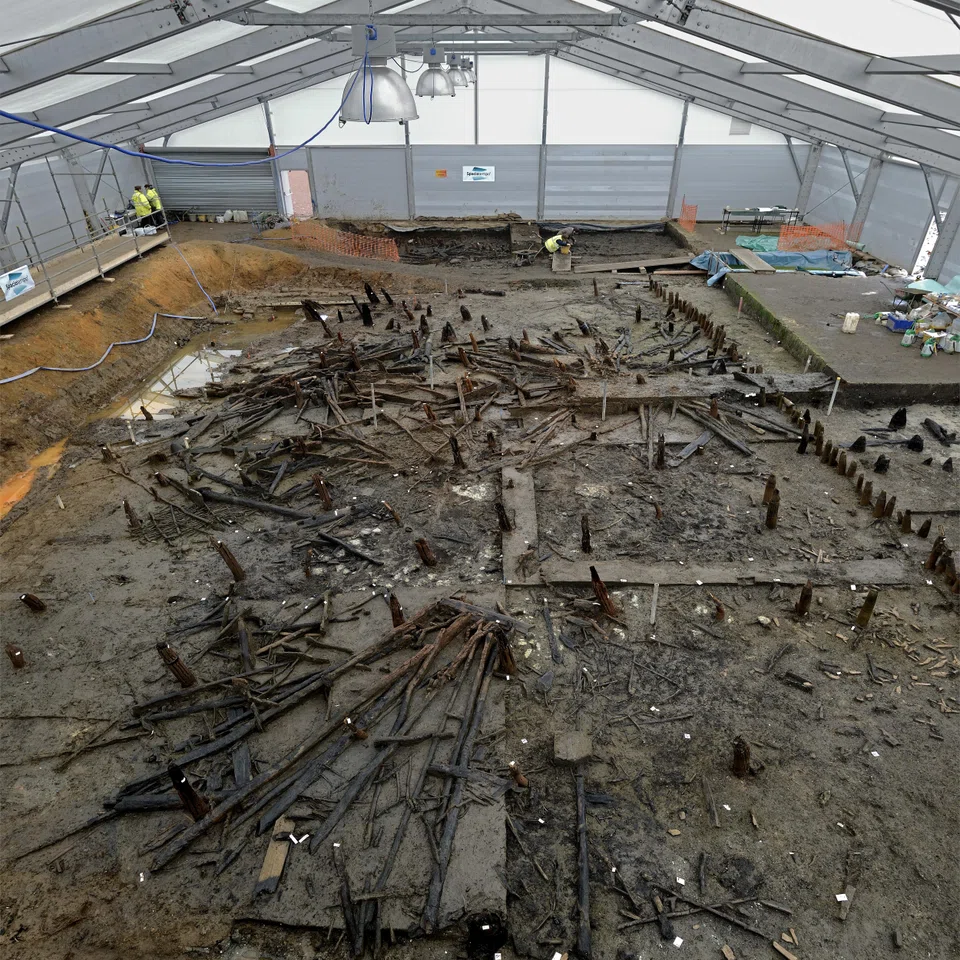
DeeperDive is a beta AI feature. Refer to full articles for the facts.
THREE millennia ago, a small, prosperous farming community briefly flourished in the freshwater marshes of eastern England.
The inhabitants lived in a clutch of thatched roundhouses built on wooden stilts above a channel of the River Nene, which empties into the North Sea. They wore clothes of fine flax linen, with pleats and tasselled hems; bartered for glass and amber beads imported from places as far-flung as present-day Iran; drank from delicate clay poppy-head cups; dined on leg of boar and honey-glazed venison, and fed table scraps to their dogs.
Within a year of its construction, this prehistoric idyll met a dramatic end. A catastrophic fire tore through the compound; the buildings collapsed, and the villagers fled, abandoning their garments, tools and weapons.
Decoding Asia newsletter: your guide to navigating Asia in a new global order. Sign up here to get Decoding Asia newsletter. Delivered to your inbox. Free.
Share with us your feedback on BT's products and services
TRENDING NOW

Air India asks Tata, Singapore Airlines for funds after US$2.4 billion loss

‘Boring’ is the new black: The stars are aligning for a Singapore stock market revival

From 1MDB to ‘corporate mafia’: Is Malaysia facing a new governance test?

South-east Asian markets account for 8.8% of global capital inflows from 2021 to 2024: report

