Personal branding of corporate honchos - law of diminishing returns?
As long as the gains are mutual, the relationship between a CEO and his company sustains itself. At a certain point, often discovered only in hindsight, the correlation turns negative.
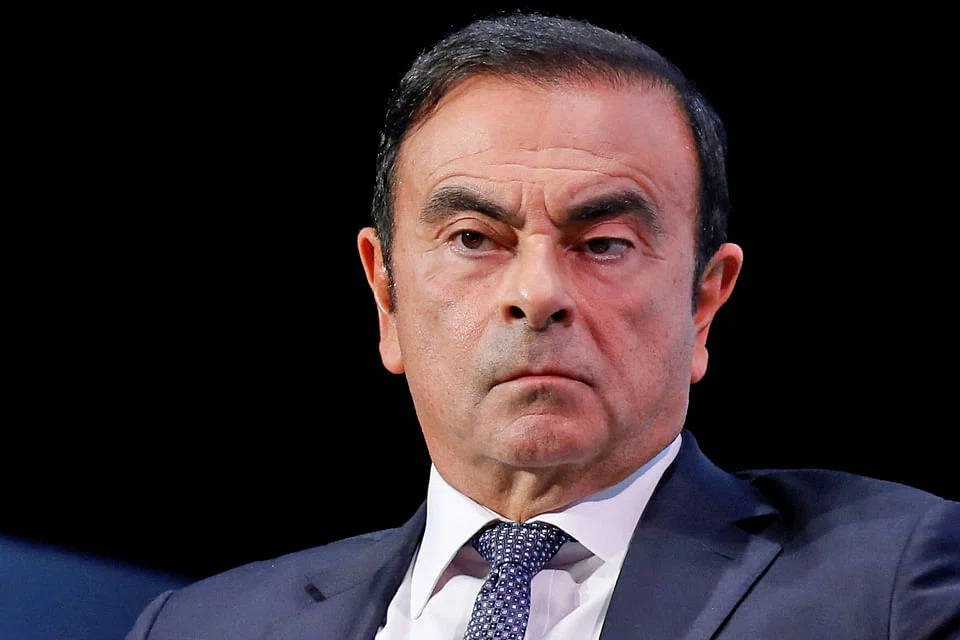
CARLOS Ghosn was the darling of the auto industry for over a decade. He could not put a foot wrong. He was also the cynosure of the financial press. Considered audacious, clever, culturally adept and a turnaround expert, Mr Ghosn had no peer in the industry with more achievements. When he was ousted in November, the initial shock gave way to another question - at what point does the personal brand of a corporate executive start to give diminishing returns to the company? Arguably, Mr Ghosn's problems were personal rather than professional. But that is also the point.
This is not an isolated example. Paul Polman retired as Unilever chairman this week, paving the way for succession that was on the cards for a while. The official word is retirement. But reports suggest that the company was not gaining adequate ground while Mr Polman's own brand rose on the back of aggressive campaigns like "sustainability" and the like. That captured the imagination of the media but not long-term investors (or customers). It was even considered "preachy". That didn't stop him from winning awards like "Cannes LionHeart award" for building sustainability into the heart of operations.
Months ago, high-profile Indian CEO Chanda Kochhar of ICICI Bank (assets US$160 billion) stepped aside to allow an impartial probe into potential wrongdoings and subsequently left the bank. The jury is out on what went wrong or how she was responsible. Her story of meteoric rise was equally stellar, culminating in being ranked 37 in Forbes' list of the world's most powerful women, ahead of people like Nikki Haley, a potential US presidential candidate. Ms Kochhar had a dream run of 10 years when both the media and the corporate world drooled over her. Her personal brand did not quite advance the interests of the bank dramatically. Its stock price plunged significantly before regaining its 2015 levels recently.
Lurking questions
In the past, there were similar stories of disconnect between personal brand and corporate fortunes - Jeff Immelt of General Electric, Percy Barnevik of ABB Sweden - people who flattered to deceive and ended up with their legacy in tatters (and the companies in bad shape).
The lurking questions are: Is there a correlation between the personal popularity of a CEO and the financial fortunes of his company? Is that a positive curve all the way? How much does the rising personal popularity insulate and hide performance or integrity issues? Is there a law of diminishing returns for the company as CEOs expand personal turf? These are clearly more important for a company.

CEOs are often the faces of their organisations, internally and externally. In recent times, they have also been the chief media spokespersons and members of a cosy club that transcends commerce, government and media and is also a passport to places like the World Economic Forum. Investors often link the potential fortunes of a company to the CEO's public shows.
There is nothing wrong with the CEOs being poster boys or girls. After all, they are the most competent people in their companies and the ones with the best view of the fortunes. Many have succeeded in steering companies through troubles with their personal charisma. This is no different from the political stage. Equally, the company offers a platform for a CEO to build a personal brand.
As long as the gains are mutual, this relationship sustains itself. At a certain point, often discovered only in hindsight, the correlation turns negative. Not just because of longevity, fatigue or ineffectiveness, but sometimes more due to sinister causes like pursuit of personal goals (not necessarily in the company's interest), hiding performance issues (not many dare to question a popular leader), personal integrity suspicions (the first reaction is denial or tentative in-camera investigation), clever communication to keep away the wolves and downright fraud (the Enron and Satyam Computers kind).
Unambiguous ground rules
As most of the examples cited above are large companies, it is also a story of appalling corporate governance, a favourite topic in our times but never defined succinctly.
So who will bell this cat? Both the company and the CEO.
The code of conduct for CEOs needs to specifically lay down ground rules that are unambiguous and have teeth. CEOs need to use extra caution while performing in public. In fact, if they could, they should err on the conservative side. This is a function of their conscience.
Who doesn't like adulation and flattery? There could also be an audit of the CEO versus company images in public (including investors, customers) on a periodic basis, based on well-defined metrics. Where it is relevant, the public limelight should be shared by a few senior members. This is to avoid companies having to suffer collateral damages if the CEO runs into trouble.
Mr Ghosn and Ms Kochhar may also have revived an old debate on the tenures of CEOs. Given the complications of reining them in, a shorter tenure could provide the requisite check and balance. That is also the premise of electoral democracy.
Share with us your feedback on BT's products and services