South Korea should maintain current monetary, fiscal policies, IMF says
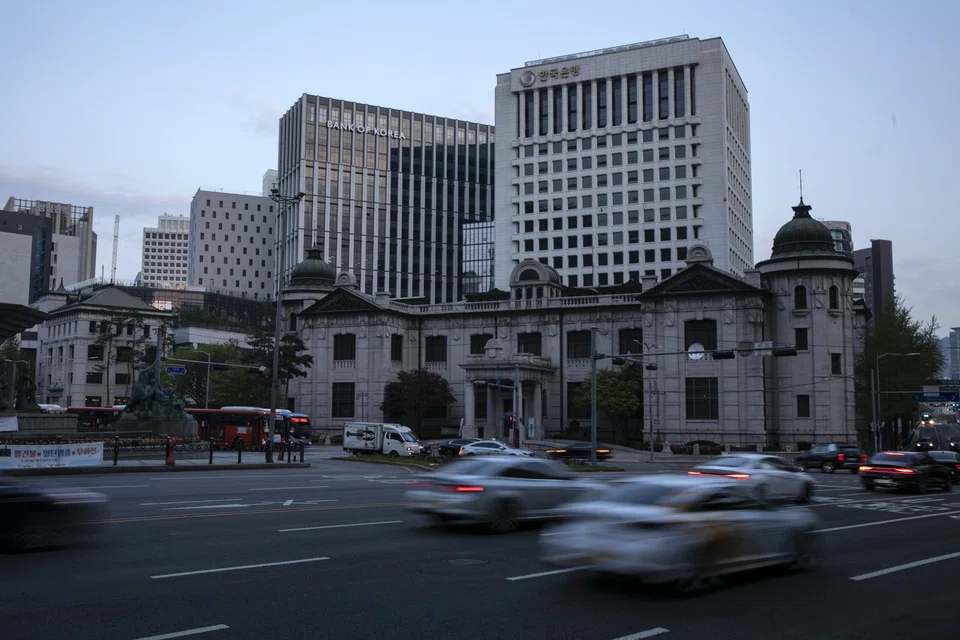
SOUTH Korea should maintain current, restrictive monetary and fiscal policies as it needs to take steps to return to sustainable finances and address inflation, the International Monetary Fund (IMF) said on Wednesday (Sep 6).
“The monetary policy rate should stay above neutral for the time being to address inflation, with the interest rate path remaining data dependent,” the IMF said in a statement concluding its two-week-long visit to the country.
Harald Finger, Korea Mission Chief of the IMF, said: “Moderate consolidation (of the 2024 government budget) will help limit public debt and, at the same time, will support monetary policy in efforts to contain inflation.”
Instead of undermining economic growth, the prudent fiscal policy is judged to be instrumental in keeping South Korea’s economic fundamentals strong in the medium term, Finger said at a press conference.
Last month, the South Korean government proposed to raise budget spending for 2024 by the lowest rate in two decades, prioritising fiscal discipline amid weakening tax revenue due to slower economic growth.
The Bank of Korea held interest rates steady for a fifth straight meeting in August, in a balance between softer inflation and heightening risks to growth.
“We do see a moderate increase in downside risk for Korea’s growth, especially in 2024, with China’s renewed slowdown,” Finger said, also pointing out China’s policy measures to mitigate economic slowdown and other positive factors such as the resumption of Chinese group tourism.
In July, the IMF forecast Asia’s fourth-largest economy to grow 1.4 per cent in 2023, a three-year low after expansion of 2.6 per cent in 2022 and 4.3 per cent in 2021. It expects the economy to grow 2.4 per cent next year.
Finger told reporters the IMF decided not to evaluate South Korea’s foreign exchange reserve adequacy based on its Assessing Reserve Adequacy metrics from July. The measure is mostly for emerging economies, and given its economic characteristics, it is more appropriate to assess South Korea’s on a scenario basis, Finger said. REUTERS
Decoding Asia newsletter: your guide to navigating Asia in a new global order. Sign up here to get Decoding Asia newsletter. Delivered to your inbox. Free.
Share with us your feedback on BT's products and services