
Climate-change agreement would need follow-up to verify pledges
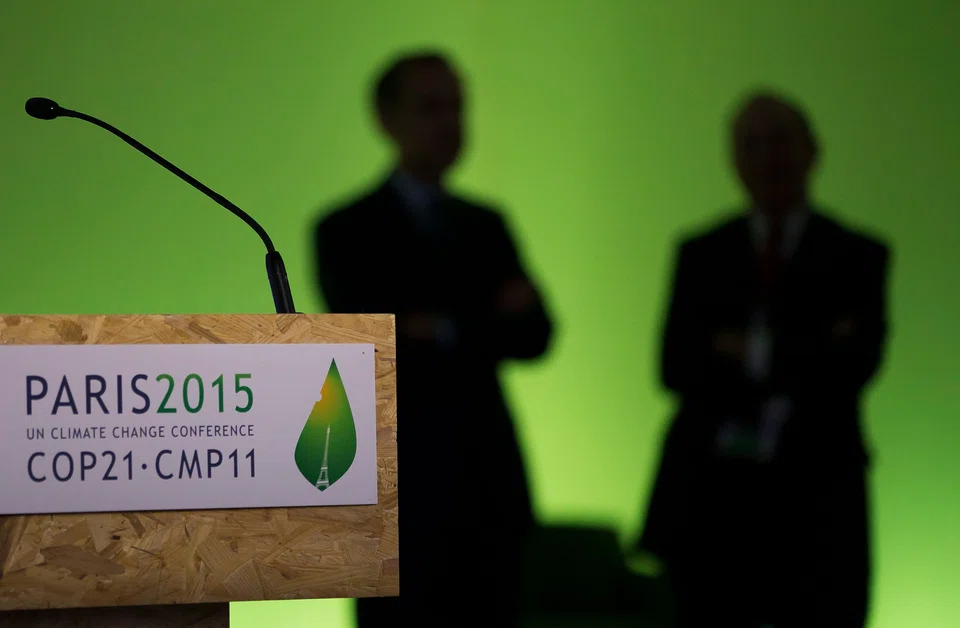
DELEGATES from 195 nations have managed to patch together a draft agreement at the Paris climate talks. Now it is up to the ministers and senior diplomats to put in the finishing touches.
The main points are known - as are the positions of the main players, whatever the shape of the final document. The United States and European Union would like some aspects of the document to be legally binding and, perhaps, in some way enforceable. But, then, that was what the 1997 Kyoto Treaty set out to do. Signatories agreed that they would cut carbon emissions by fixed amounts over agreed time frames. Unfortunately, the world's worst polluter at that time, the US, refused to ratify the treaty. Canada pulled out. China and India never acceded to the cuts. Now China has overtaken the US as the world's worst offender and carbon emissions have soared in the years since Kyoto.
COP21, as this round of talks is known in UNspeak, changed tack and this time "nationally determined contributions" are the norm. This simply means the countries themselves decide what they will do to prevent global warming beyond 2°Celsius. Thus, when the Obama administration pledged to cut its greenhouse gas emissions by 26 per cent from its 2005 level by 2025, it was in full knowledge that the American legislature would do everything in its power to thwart him. Not only are the lawmakers not expected to pass any enabling laws, President Barack Obama would have to use what powers he has by way of executive authority in the hope that his pledges will not be pushed to one side by the Republican-controlled Congress, as it seems to be bent on doing. Thus Mr Obama commanded a bevy of US senators to persuade the others that this time, Washington will not renege on its climate promises.
Copyright SPH Media. All rights reserved.

