Why Fannie and Freddie survived
 Add BT as a preferred source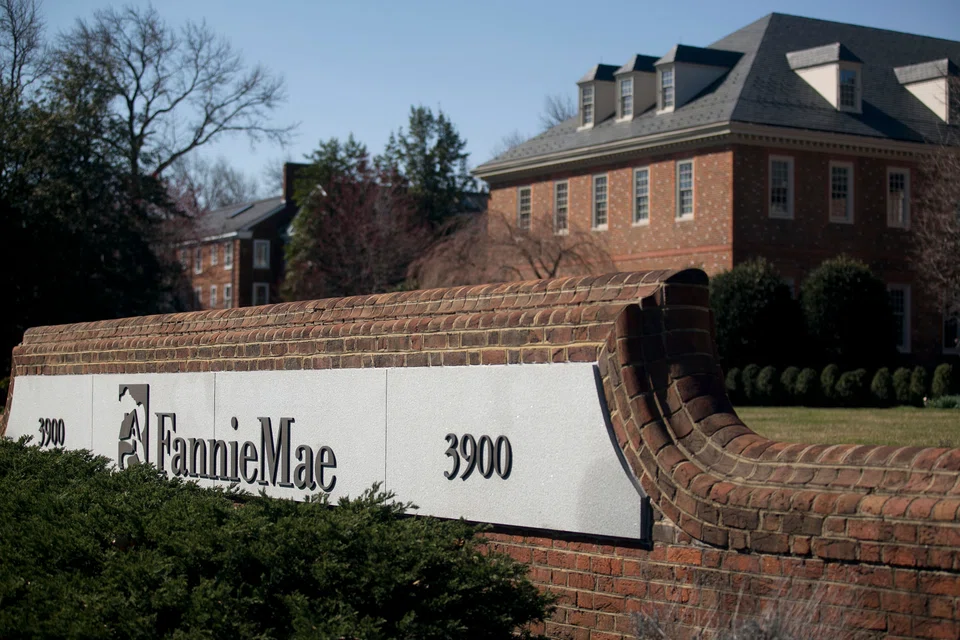
Washington
ONE of the most interesting and uncovered stories these days is the survival of Fannie Mae and Freddie Mac - the giant housing entities created by the US government and known collectively as the GSEs (for Government-Sponsored Enterprises). On Sept 6, 2008, nine days before the Lehman Brothers bankruptcy, then-treasury secretary Henry Paulson put the GSEs into "conservatorship". This meant that the government would cover their costs, because they were bankrupt. The government's aid ultimately totalled US$187 billion.
Even in Washington, that's serious money, and it fostered an informal consensus: Fannie and Freddie had to go; taxpayers' exposure to their losses was too great. "This is an opportunity to get rid of institutions that shouldn't exist," former Federal Reserve chairman Paul Volcker said. The GSEs had been - it was widely assumed - "consigned to the dustbin of history", as financial writer Bethany McLean says in her new book Shaky Ground: The Strange Saga of the US Mortgage Giants.