



Iran says it won’t meet with US envoys, clouding prospects for peace deal
The developments indicated the two sides are far apart on key pillars of the initial framework
[DOHA/DUBAI] Iran said on Tuesday (Jun 30) that it would not meet with top US envoys who flew to the region following an outbreak of hostilities, clouding the prospects for a lasting peace between the two countries.
Iranian officials also said the two sides must still sort out the terms of a ceasefire they signed two weeks ago before they could tackle more difficult topics, such as possible limits to its nuclear programme.
The developments indicated the two sides are far apart on key pillars of the initial framework, which calls for Iran to lift its chokehold on the Strait of Hormuz in exchange for financial incentives, and sets up 60 days of negotiations to work out a permanent peace deal.
US President Donald Trump’s son-in-law Jared Kushner and envoy Steve Witkoff arrived in Doha for what the White House described as “high level” talks, but Iran and host Qatar said they would meet with mediators, rather than the Iranians themselves.
“No meeting at any level with the American side has been scheduled for the coming days,” Iranian Foreign Ministry spokesperson Esmaeil Baghaei said.
The two countries were due to commence lower-level technical talks.
Iran says It will control Hormuz
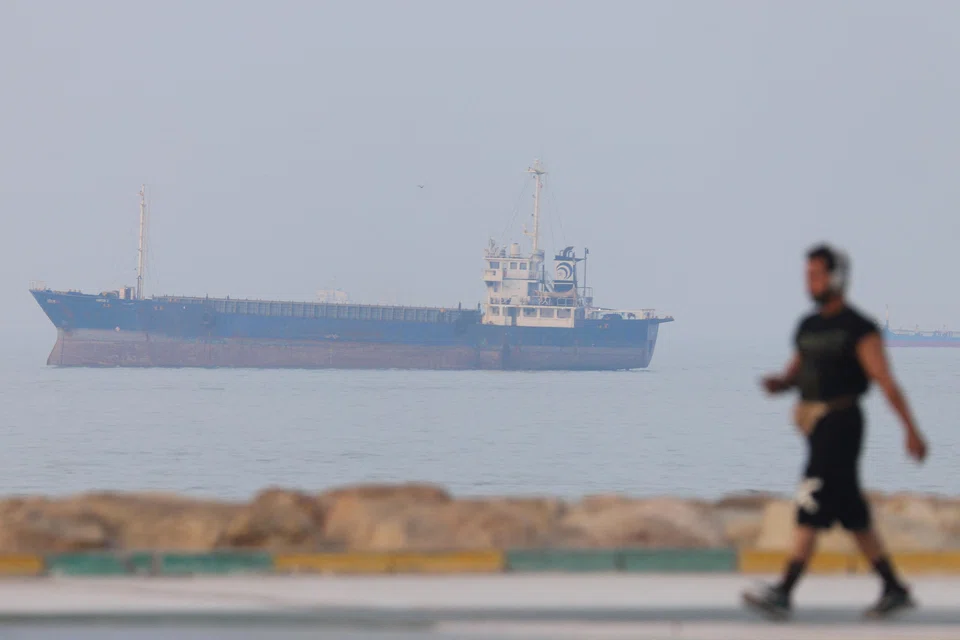
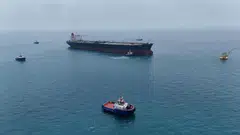
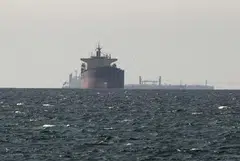
Shipping has partially resumed through the strait, which handled one-fifth of global oil and liquefied natural gas before the war broke out on Feb 28.
But Iranian officials insisted on their right to manage traffic along with US ally Oman, which lies on the other side of the strategic waterway. Iranian officials said they would impose tolls in mid-August, when the 60-day period expires.
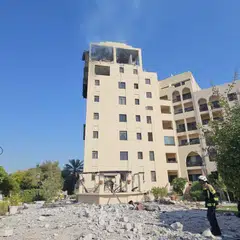
“The sovereignty of the Strait of Hormuz lies with Iran and Oman, and traffic in the Strait is subject to arrangements determined by Iran,” Iran’s top negotiator, Mohammed Baqer Qalibaf, said on state TV. Despite the uncertainty, oil prices have fallen since the weekend, when the US bombed Iranian military facilities in response to drone strikes on commercial ships and Iran attacked US military sites in Kuwait and Bahrain.
Vulnerable economies, however, could remain at risk from food and fuel price increases even after energy markets feel relief, the UN trade and development agency said on Tuesday. The war pushed up global inflation and has put Trump under political pressure before midterm elections in November that will determine control of the US Congress.
Trump and Treasury Secretary Scott Bessent are both urging petrol retailers to lower prices. The interim deal between the US and Iran also provides for an end to the conflict between Israel and Iran-backed militant group Hizbollah in Lebanon. But Lebanon’s powerful parliament speaker Nabih Berri, an ally of Hizbollah, cast doubt on a separate, US-brokered framework deal between Lebanon and Israel to halt that war.
Analysts said the deal risks entrenching a stalemate by tying Israel’s withdrawal from southern Lebanon to Hizbollah’s disarmament. REUTERS
Decoding Asia newsletter: your guide to navigating Asia in a new global order. Sign up here to get Decoding Asia newsletter. Delivered to your inbox. Free.
Share with us your feedback on BT's products and services
TRENDING NOW

Once staunchly pro-China, Malaysian Chinese businesses are now distancing themselves from Beijing

Grab CEO’s wife Chloe Tong on life with Anthony Tan and finding her purpose

Could stablecoins be the future of money?
ST Engineering opens tech-focused aircraft maintenance facility in Changi; to create over 500 jobs

