

CIMB's Nazir Razak plans Asean fund of up to US$1b

Anita Gabriel
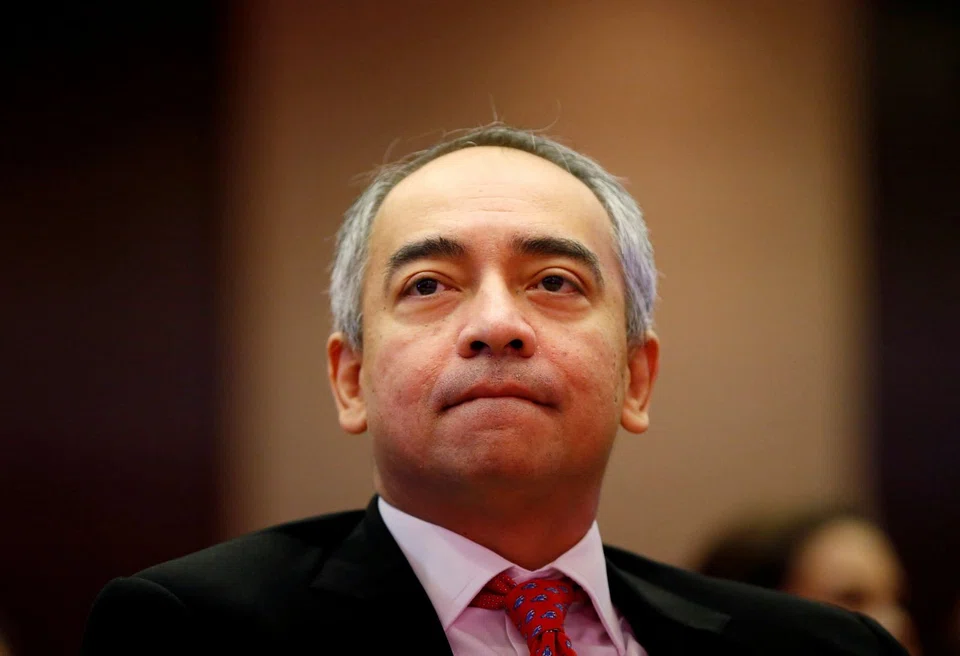
PROMINENT banker Nazir Razak, brother of Malaysia's prime minister, together with four others including an outgoing senior executive at Singapore's Temasek Holdings plan to set up an "indigenous Asean" private equity fund with a capital of between US$700 million and US$1 billion.
The PE fund to be based in Singapore is still very much at an "early stage" and if everything works out to plan, could be launched by the third quarter of next year, a source told The Business Times.
Bloomberg reported on Friday that Mr Nazir, who is chairman of Malaysia's second largest bank - CIMB Group - plans to keep his role at the bank while acting as one of the fund's five partners.
The line-up for the planned investment fund is no less impressive and diverse; joining him will be David Heng, senior managing director at Temasek Holdings who, BT understands, will leave the post end-year; Indonesia's former trade minister, investment banker and entrepreneur Gita Irawan Wirjawan; former Philippine finance secretary Cesar Purisima; and Kenny Kim, who previously worked with Mr Nazir as CIMB's chief financial officer and was senior adviser at RRJ Capital, one of the largest PE funds in Asia.
"It's a huge sum to launch with . . . never been done before in Asean. Most PE funds start at around US$100 million to US$200 million and build up from there over the years," said a senior partner at a global PE firm.
Mr Nazir's next move may seem like a logical progression. In May this year, he left his post as an investment panel member of the Employees Provident Fund - the country's pension fund which has over RM750 billion (S$243 billion) worth of assets.
This way, the banker would be able to avoid any conflict were the fund to tap the coffers of EPF, among others, as it seeks to raise capital. Those who know Mr Nazir well reckon he and his partners are likely to tap the deep pockets of institutional funds in Malaysia as well as Singapore.
"To raise US$1 billion, the fund would need to get pension funds as well as sovereign wealth funds. It wouldn't just rely on high net worth individuals. So, it's natural that they would look at the institutional money in Malaysia and Singapore, especially given the partners' track record," said an observer.
A targeted Asean PE fund has visible appeal.
"It makes a lot of sense as the valuations of viable private equity investments (in Asean) are not as frothy as the wider Asian region," said Krishna Ramachandra, managing director of law firm Duane Morris & Selvam.
TRENDING NOW

He built the Vingroup empire. Now South-east Asia’s richest man is handing some key roles to his sons

‘Our bread and butter’: Family-run Loo’s Hainanese Curry Rice hands reins to third generation

Grab CEO’s wife Chloe Tong on life with Anthony Tan and finding her purpose

US says China to buy 10 million tonnes of coal in 2027 and 2028

