

FSB's too-big-to-fail fix may hinder global growth
Other bodies say FSB should limit requirement to a maximum of 16% of risk-weighted assets
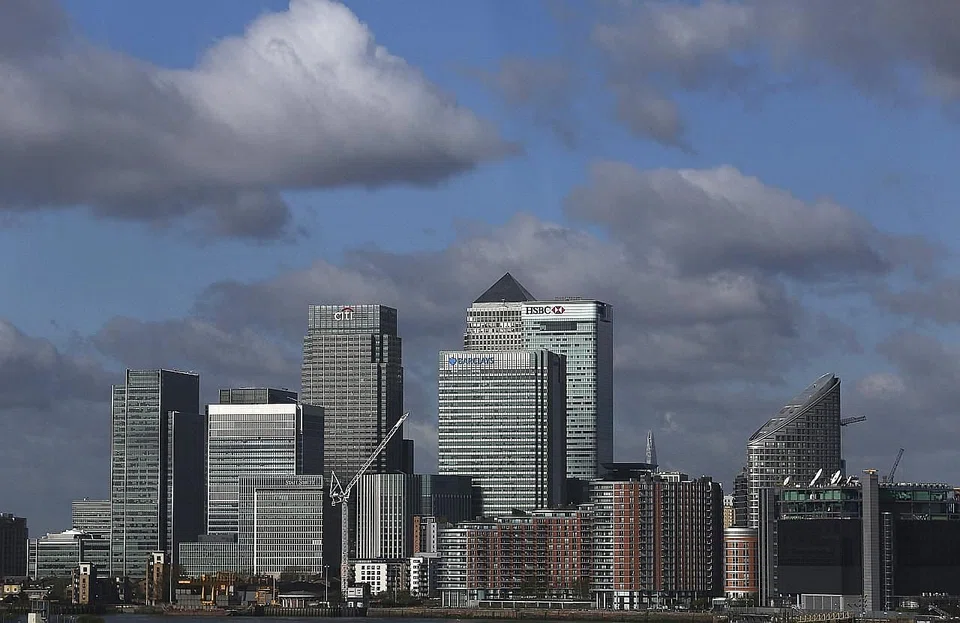
London
GLOBAL regulators' push to solve the issue of too-big-to-fail banks may hinder economic expansion, according to banking industry groups.
Planned requirements for banks to have a buffer of securities that can be written down in a crisis "will almost certainly raise bank funding costs" and "can be expected to have fallout effects on real-economy financing costs", the Institute of International Finance (IIF) and the Global Financial Markets Association (GFMA) have said.
The Financial Stability Board (FSB), the global regulator led by Bank of England governor Mark Carney, proposed last year that the world's biggest banks issue liabilities equivalent to as much as a fifth of their assets weighted for risk to ensure investors rather than taxpayers foot the bill for financial failure.
"It is essential to make sure that the calibration of the loss-absorbing requirement would cover likely loss scenarios, without being so demanding that it would unnecessarily burden credit capacity or the dynamics of a global economy," the groups said in a joint letter to FSB Secretary-General Svein Andresen. The letter was obtained by Bloomberg News.
The proposed rules on total loss-absorbing capacity, or TLAC, would apply to the FSB's register of global systemically important banks. The list contains 30 banks, with HSBC Holdings Plc and JPMorgan Chase & Co identified as the most significant.
The IIF and GFMA said that the FSB should limit the requirement to a maximum of 16 per cent of risk-weighted assets, discourage national regulators from adding their own surcharges and remove a waiver designed for banks from emerging-market economies. The letter is a response to the FSB's TLAC consultation, which ended on Feb 2.
The FSB has said that it would carry out detailed impact studies before completing the rule in time for the 2015 Group of 20 nations summit. This further work will allow the FSB to identify a "single specific minimum" requirement.
Timothy Adams, president of the IIF and Ken Bentsen, chief executive officer of GFMA, outlined 13 potential tweaks to the TLAC proposal in the letter, including a recommendation to reduce the impact of a leverage measurement.
The shortfall facing lenders could be as much as US$870 billion, according to estimates from AllianceBernstein Ltd, or as little as US$237 billion forecast by Barclays Plc. BLOOMBERG
TRENDING NOW

OCBC customers face difficulties accessing online, mobile banking services

SGX CEO Loh Boon Chye to step down; succession planning under way

Waymo founder predicts ‘landslide’ robotaxi adoption in Singapore, driven by high car costs

Vietnam’s northern provinces, not Hanoi or Ho Chi Minh City, are powering near 10% GDP growth

