

UOB's S-E Asia strategy pays off
Singapore
UNITED Overseas Bank's (UOB) South-east Asia strategy is paying off as the region's strong economic fundamentals attract more investments and increasing intra-regional trade flows.
Unlike its bigger rivals which have bought banks in Hong Kong and Taiwan, UOB has opted to focus on Asean. The smallest of the three Singapore banks by market capitalisation, UOB has the largest presence in South-east Asia, with 484 branches and representative offices across the region. DBS Group Holdings has 135 while OCBC Bank has 443.
As at Sept 30 2014, 86 per cent (or S$170 billion) of the bank's customer loans comes from its key South-east Asian markets - Singapore, Malaysia, Thailand and Indonesia - said a bank spokeswoman. Last year, South-east Asia loans were S$159 billion.
UOB's support of businesses investing and expanding in Asia has seen it double its cross-border corporate loans in the period between June 2011 and December 2013, she added.
The bank's Asean-focused strategy is being recognised. UOB said on Tuesday that it is the only Singapore bank to win the Most Admired Asean Enterprise for Asean Centricity award at the Asean Business Awards 2014.
Organised by the Asean Business Advisory Council, the awards recognise enterprises that have contributed to the growth and development of South-east Asia.
In 2000, 33 per cent of goods made in South-east Asia were traded within Asia. By 2020, UOB forecasts that this will rise to 61 per cent. The rise in intra-regional trade is creating new investment opportunities for South-east Asian companies.
Myanmar has emerged as one of the key destinations to benefit from increased investment. According to the UOB Asian Enterprise Survey 2014, one in four Asian enterprises is looking to invest in the country.
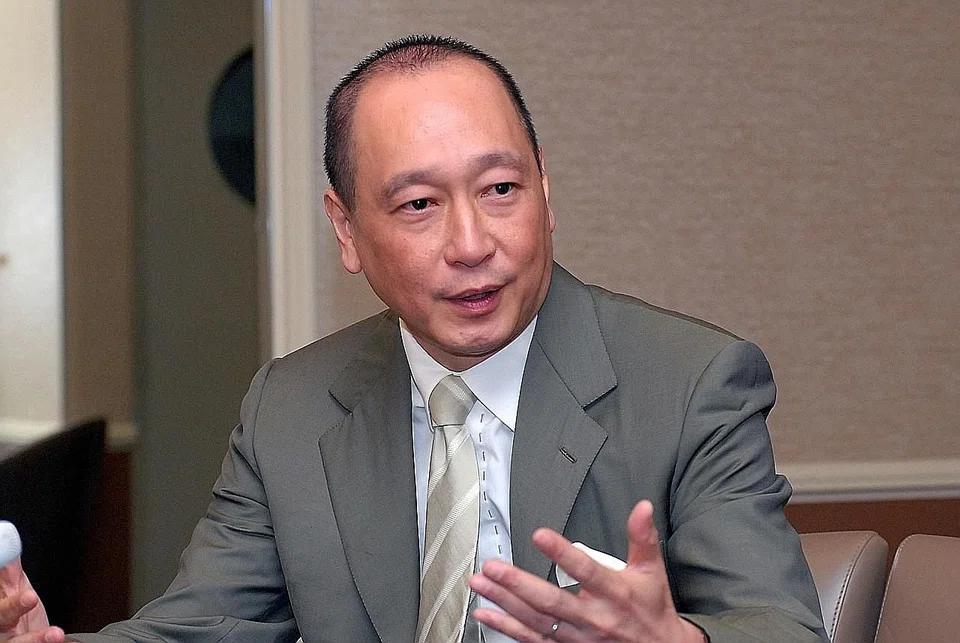
UOB chief executive Wee Ee Cheong said that more of UOB's customers are seeking opportunities in Myanmar because of the country's large population of 60 million, untapped natural resources and strategic geographic position bordering China, India and South-east Asia.
"Currently, a large proportion of foreign direct investment going into Myanmar is from South-east Asia," he said. "Just as we have helped many of our customers invest in industries that are necessary to support South-east Asia's economic growth, we will continue in our efforts to drive strategic and long-term investments that will benefit the people and businesses of Myanmar," Mr Wee said.
TRENDING NOW

DBS, OCBC, UOB rout lops billions off STI as inflation, rate concerns spook investors

Grab CEO’s wife Chloe Tong on life with Anthony Tan and finding her purpose

OCBC sheds S$8 billion in value as shares close nearly 6% down; analysts cautious on banks

Deal between tycoon friends sparks scrutiny of Philippine power sector

