

A theory of stagnation
China woes add force to secular stagnation debate
 Add BT as a preferred source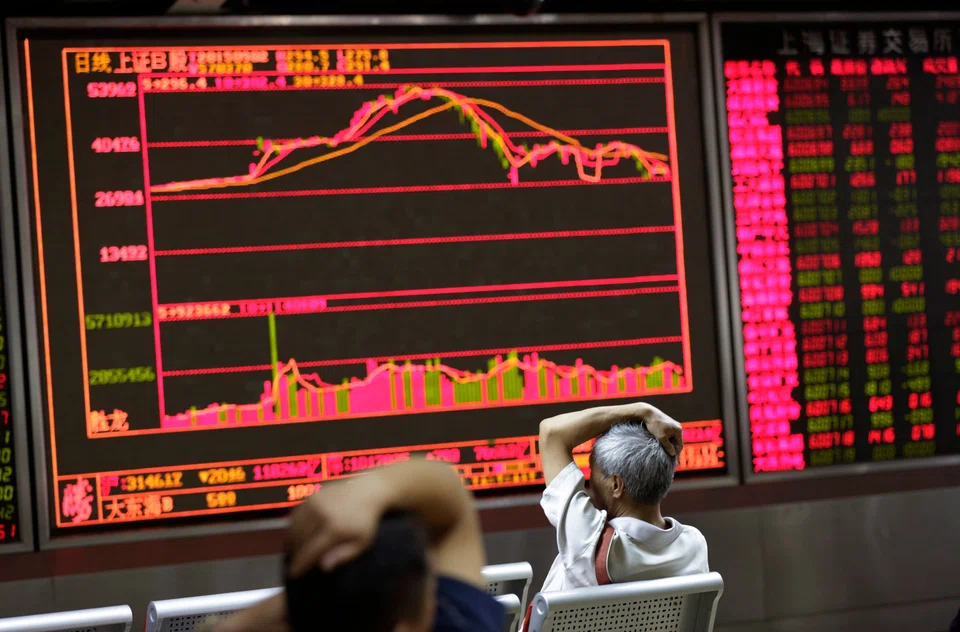
DeeperDive is a beta AI feature. Refer to full articles for the facts.
THE past two weeks have been turbulent for the world's markets. But they have been buoyant for proponents of the theory that the global economy is stuck in a semi-permanent rut.
The so-called "secular stagnation" hypothesis was first advanced by economist Alvin Hansen in the late 1930s, and revived by Larry Summers in a different form two years ago. The former US treasury secretary argued that growth potential in advanced nations has been sliding for decades.
Ageing populations, globalisation and automation have come together to depress wages, especially for the less skilled. Demand for new investment is therefore deficient when compared with societies' desire for savings. As a result the "natural" rate of interest these economies can bear has been declining, and might even have turned negative.
Share with us your feedback on BT's products and services
TRENDING NOW

Autobahn Rent A Car directors declared bankrupt over S$50 million each owed to DBS

Amazon’s MGM Studios gains creative control over ‘James Bond’ franchise

UOB’s Wee Ee Cheong says S$4.9 billion Citi deal ‘paying off’ as Asean push accelerates

In taxing wealth, how far can Singapore push property owners?

