

Handshakes portal sets course for expansion
It's gaining traction in the US and Europe and will widen its range of offerings
Singapore
FRESH from clinching a prize in the National Infocomm Awards (NIA) 2016, financial technology startup DC Frontiers is setting its sights on expanding its corporate intelligence portal Handshakes further afield, both geographically and in terms of its range of offerings.
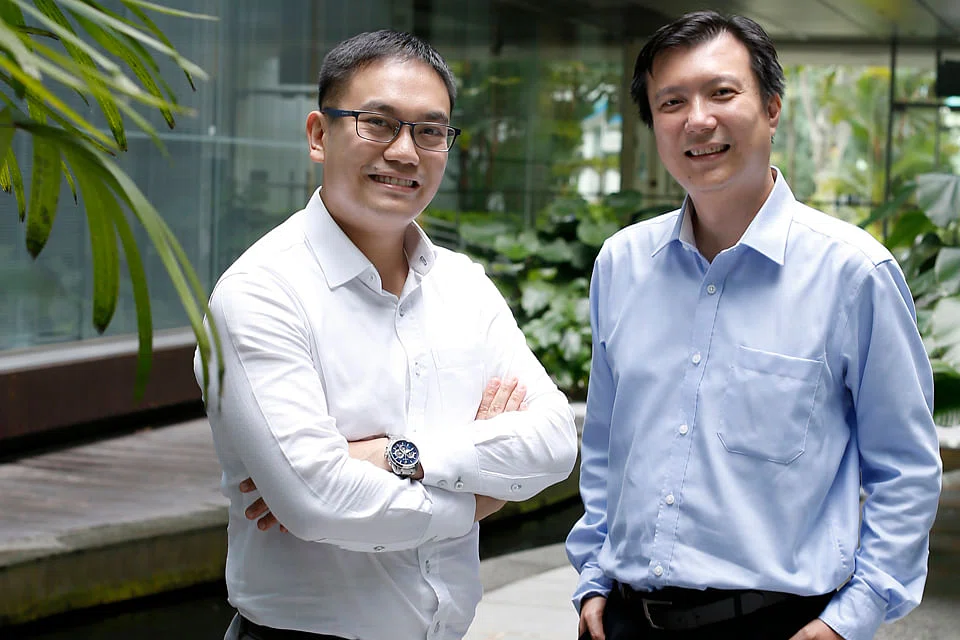
Its clients are mostly in South-east Asia but it aspires to expand further north and is far from done with its expansion plans, said co-founder Daryl Neo in a recent interview. "We've just started to gain traction in the United States and Europe. Once you have text analytics, you're able to go anywhere."
Its Handshakes portal uses text analytics and machine learning to provide corporate intelligence as well as something Mr Neo calls "data enrichment", which essentially means drawing from disparate data sources to glean connections to or shed more light on information stored in existing data sets. "What we do with data is try to increase its value . . . to enrich customers' processes. If we're successful, that means we've achieved that."
The startup, which aims to change how deals are done, won second place in the "most innovative infocomm product/solution" category at the NIA ceremony on Nov 10. Singapore Press Holdings (SPH), which publishes The Business Times, invested S$2 million for a 20 per cent stake in DC Frontiers in March 2015.
Though Mr Neo declines to say which countries DC Frontiers wants to venture into, he says that it works with the Accounting and Corporate Regulatory Authority in Singapore and its counterparts overseas to gather information that it can integrate into its Handshakes platform. Its products analyse only English-language text for now.
Bringing diverse data sources together lets users get a "more accurate" profile of entities they are dealing with, and because the portal's text analytics can be done by computer algorithms, the raw data does not necessarily need to be seen by humans, he says.
The integrated data can also change dealmaking. "Today, people tend to go into a deal and then audit it later" but analytics can help users "make good decisions about counterparties" before inking formal agreements, he says, adding that Handshakes' data enrichment services can help users "make use of their internal knowledge base more effectively". That internal knowledge base could include companies' internal memos, due diligence documentation and declarations. Other possible sources of interesting information could be resumes submitted to a company, he notes.
DC Frontiers, which Mr Neo and co-founder Charles Poon founded in April 2011, takes as its "guiding principle" the "dealmaking lifecycle: origination, due diligence, monitoring", Mr Neo says. Due diligence is currently the biggest component of Handshakes' business, followed by deal origination. For monitoring, Handshakes lets users set alerts on their deal partners to be notified of events such as change in control.
Given Mr Neo and Mr Poon's background - both worked at the Singapore Exchange before setting up DC Frontiers - the startup initially revolved around serving regulators, though its first customer was boutique investment bank SAC Capital, Mr Neo says. "As with any new product or company, trust is the biggest problem. That's why we began with regulators."
The firm also recently created a suite of tools for "procurement checks", to let companies enter names of vendors and decision-makers into Handshakes' system to track potential conflicts of interest. This suite is already being pitched to internal audit and finance teams, he adds.
But though Handshakes' technology means less need for humans to sift through the raw data it analyses, the startup still needs talent and the limiting factor for its growth "is largely human capital, not deal flow", he says. It had 32 employees as at late October, made up of 22 in Singapore and 10 in Penang, and up to half of them are in the technology team. Part of its overseas expansion may be driven by how the startup will "definitely have to look at other places to open" to find the talent pool Handshakes needs, Mr Neo adds.
Mr Poon says that since Handshakes deals with machine learning and artificial intelligence, which are "very greenfield problems", the right employees are difficult to find. "It's not so much hard skills but soft attitudes . . . a lot of Singaporeans don't have 'coder' as a career path."
TRENDING NOW

He built the Vingroup empire. Now South-east Asia’s richest man is handing some key roles to his sons

Floods compound Philippine growth woes from public-works scandal

Tokyo reverses baby bust with AI matchmaking and generous subsidies

More interest in ETFs, low-cost funds but Singapore still lacks pressure to further lower fund fees

