

Mr Bean's royal Cinderella tale
The soya milk chain has gone from strength to strength in the past 20 years to become an extensive local and regional chain.
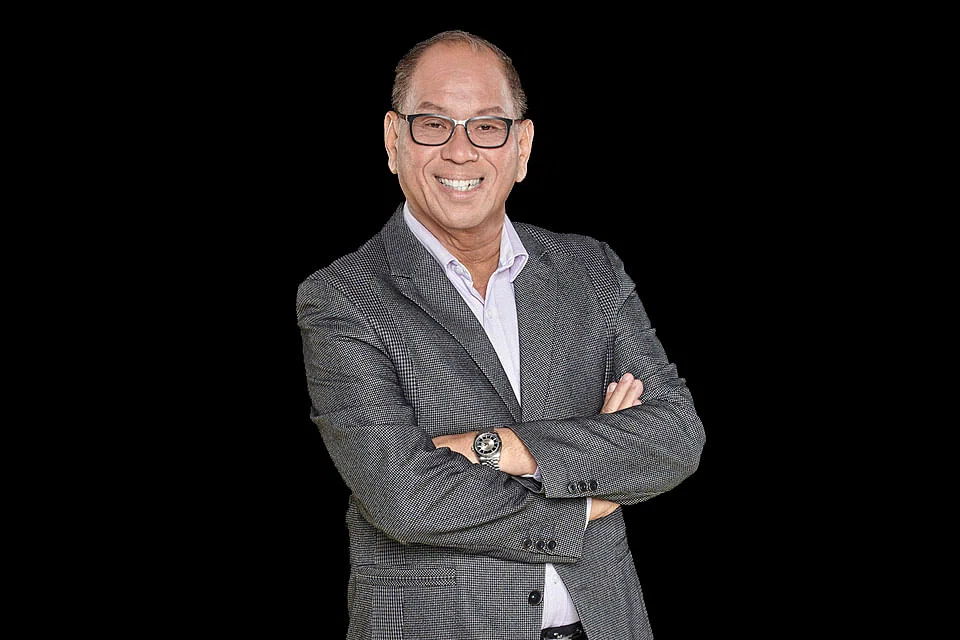
CHEERY cartoon stickers adorn the walkway leading up to Super Bean International's headquarters in Sims Drive. At the front door, employees and visitors have to remove their shoes before entering the brightly coloured, carpeted office - not something you'd quite expect in an otherwise industrial-looking building, or from a two-decade-old chain whose soya bean milk stands are now ubiquitous across the island.
"I wanted to create a homely culture, and kicking off one's shoes instantly gives you a feeling of entering someone's home, doesn't it?" says Loh Jwee Poh, founder and executive director of the company behind soya milk chain Mr Bean.
Barefoot culture aside, Mr Loh also makes it a point to personally conduct orientation programmes for new employees, and keeps his door open to anyone with grievances to raise.
"I want everyone who enters this company to feel like they know each other, and that the bosses are not far away from them. I will share with them my history, why we are in this business, and the benefits of soya milk," he said.
"Sure, they can leave anytime to sell bubble tea. But given a choice, we want them to still choose soya milk - because it is a business where you can make money and at the same time offer something meaningful."
Mr Loh should know. In 1995 - long before the health fads started arising around the benefits of soya - he and former schoolmate Kang Puay Seng already had an inkling that this nutritious, all-natural and very versatile beverage was highly undervalued. They wondered why no one had thought of taking it beyond the realm of hawker centres and into shopping malls and more prestigious retail venues.
Two years after opening their first stall in People's Park Complex, they took on their first shopping mall outlet in Hougang Mall - thanks to a slump in tenant demand after the 1997 Asian financial crisis. Twenty years later, Mr Bean is now a 49-outlet chain in Singapore, with more than 10 overseas outlets in the region.
"The thing I'm most proud of is being able to bring a humble product like soya milk from a hawker stall to shopping malls, hospitals, even the airport at one stage; to have turned a girl into a princess - it's a bit of a Cinderella tale. We initiated this transformation," he said.
With Mr Kang relinquishing his managing director role last month "to pursue his own plans", Mr Loh has now stepped in as the company's full-fledged executive director, which means taking over portfolios that Mr Kang once handled, such as meeting the media.
"How do you think I'm doing? Can you evaluate my performance today?" he asked.
"But I've always been here throughout the 20 years, so it's not a big change," added Mr Loh, emphasising that soya bean will always remain key in the company's growth. "In business, you have to focus. There are many businesses you can do, and many ways to make money, but I don't want to divert from my strengths.
"Besides, the humble soya bean is a very vibrant product, from which many other core products can be developed - from milk to milk powder, ice-creams and tofu," he added.
"I don't need anything else. I want to create a kingdom of soya."
Centralising production
Overall sales for Mr Bean have grown 2 per cent over the last year, despite a reduction in stores from over 50 to its current 49. Mr Loh attributes the pickup in individual store performance to a combination of factors: recent moves to streamline store operations, as well as boosting productivity by centralising production.
A 2,300 square foot central kitchen in Aljunied, not far from the company HQ, supplies products to about 90 per cent of local stores.
As for rising wages, Mr Loh is unperturbed. "Wages are high everywhere. The core question is how to retain employees. If you can retain them, you can provide better service and keep business steady," he said.
A bigger challenge, he foresees, is global competition. "Singapore is an open market - anyone can come in and I can't possibly tell the government to implement protectionist measures. You don't know who is going to set up shop next to you tomorrow. So we have to get ourselves prepared," he said. After a moment's pause, he continued: "This means our main competitor is ourselves, not others. If my customers drink Coke or coffee, they aren't drinking a cup of soya milk. The competition is in how to make your product their preferred choice."
Going global
Instead of sitting around waiting for competition to check in then, Mr Bean is actively looking for external markets to branch out to.
While the brand already operates franchise stores in the Philippines, Japan and China, other Asian countries such as Cambodia, Myanmar, Indonesia and Korea are on the blueprint for the next two years.
"People from these Asian countries already know how to appreciate soya products. It's in their daily diet; you don't have to convert them. We're just offering them something that is safer, more hygienic and of a higher quality," he explained, quickly adding that Western countries will eventually follow.
Further local expansion is on the cards too. "Wherever we can go, we go. You can't be choosy in Singapore. Soya milk is a mass product, so we are not selective. You can drink soya milk anywhere, it can go anywhere," he said.
For the domestic market in Singapore, Mr Loh foresees convenience becoming a greater concern for local consumers. New products - Mr Bean's R&D team comes up with at least one new product monthly - are designed to cater to a transient, commuter crowd, such as prepacked almond soya milk, soya puddings, and takeaway sandwiches and salads that customers can pick from grab-and-go fridges. These efficiency-boosting self-service fridges have been installed in 5-10 Mr Bean outlets so far, and will eventually be rolled out to a majority of stores islandwide.
The thread that runs through all innovations: soya. "All our food products are very common products that people are already familiar with and put a bit of soya bean in them. This not only makes the products healthier, it makes it absolutely unique," Mr Loh stated.
How big is the research-and-development team in this company of 500 employees, one wonders, because he is sure keeping them busy. "My R&D team is very big - it consists of 500 members," Mr Loh laughed. "Every crew member, even the cashier aunties, gets to contribute ideas."
Looking back on the last two decades, he wouldn't have run the business any differently, he declared. "Every method is a good method as long as you believe in it and continue to do it. Some people only want to sell branded bags and open a large prestigious store. But some people can sell bubble tea, open 100 shops and turn it into a global empire. There's no right or wrong way; it just depends on what you want in life."
While he's working on some bigger-picture, longer-term plans for Mr Bean to be announced later this year, Mr Loh isn't saying no to any possibilities thrown up.
Listing on the stock market? Being acquired by private equity or even investing in or acquiring soya-related food businesses? Why not, he said.
Like their first offer of a shopping mall unit 18 years ago, "it was the opportunity that sought us. The only thing we had to do was to make sure that we were ready," he said.
Then the homemaker instinct in him speaks out. He added: "But if the opportunities don't happen, I always have a Plan B. It's necessary. I am shouldering the burden of 500 people, I am responsible for their rice bowls and their families."
TRENDING NOW
Nvidia CEO Jensen Huang’s confession engulfs chip giant in spying controversy
China recruited exec at Singapore data centre firm to spy on Nvidia CEO Jensen Huang: US intelligence

Higher rates, weaker spending: Is the Philippines entering stagflation?

Could Japan trigger the next global financial crisis?

