Ringgit, Korean won hit lows, Sing$ rebounds
Singapore
MOST emerging Asian currencies fell on Thursday as the US Federal Reserve appeared on track to raise interest rates this year while there are risks that regional central banks instead may ease monetary policies.
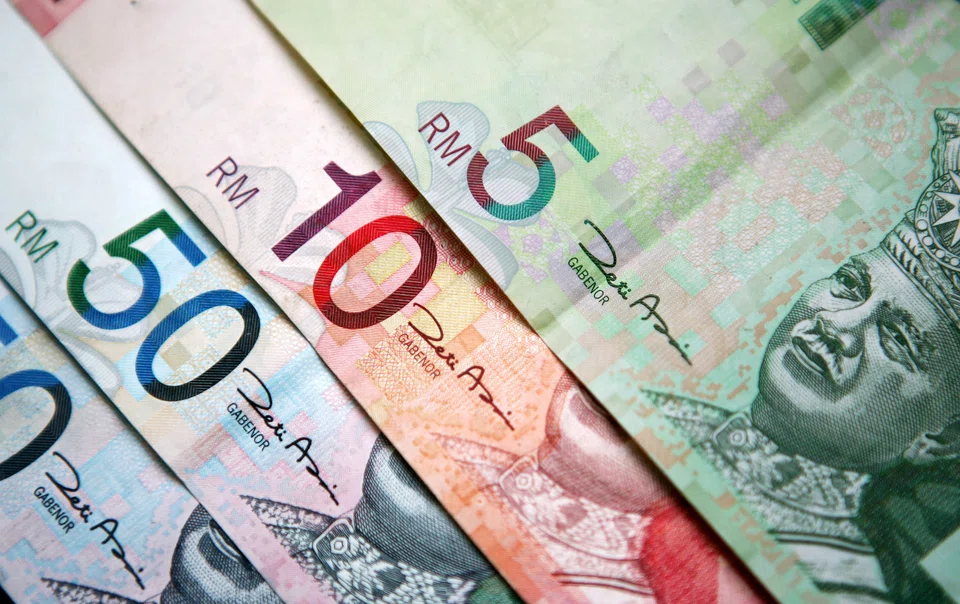
The Malaysian ringgit hit a near six-year low as an overnight slide in oil prices highlighted concerns that slumping crude market will hurt the country's current account surplus and increase its fiscal deficit.
South Korea's won touched a near four-week low as offshore funds sold it, while Taiwan's dollar slid on short-covering in the US dollar.
The Singapore dollar, however, rebounded on caution over potential intervention by the central bank to support it. Still, its outlook stayed pessimistic after Wednesday's unexpected monetary policy easing.
The Fed said on Wednesday that the US economy is expanding "at a solid pace" with strong job gains, signalling that the central bank remains on track with its plans to hike borrowing costs in 2015.
"With the Fed's healthy economic assessment, Asian currencies may stay under pressure for the time being," said Yuna Park, a currency and bond analyst at Dongbu Securities in Seoul. "Asian countries may take similar policy stances with Singapore's move through driving their currencies weaker," she said.
The ringgit fell 0.5 per cent to 3.6350 per dollar, its weakest since April 2009. Its depreciation accelerated as a break of the previous low of 3.6250 spurred selling, traders said.
The won lost as much as 0.9 per cent to 1,094.7 per dollar, its weakest since Jan. 9. Offshore funds' offers caused local traders to cut their won holdings. The Taiwan dollar slid as traders covered short positions in the US dollar after the Fed's statement.
The Singapore dollar gained amid caution over possible intervention by the central bank to support it after a surprise easing sent the unit to a near 4½-year low on Wednesday. Still, the city-state currency is expected to remain weak, analysts and traders said.
In London, the US dollar inched higher against the yen and was steady to the euro after the Fed statement.
The other big mover in Europe was again the Swiss franc, which has weakened this week on the back of expectations of more intervention from the Swiss National Bank. REUTERS