

SGX okays dual-class shares for secondary listings
Exchange sees opportunity to study structure before deciding suitability for primary listings
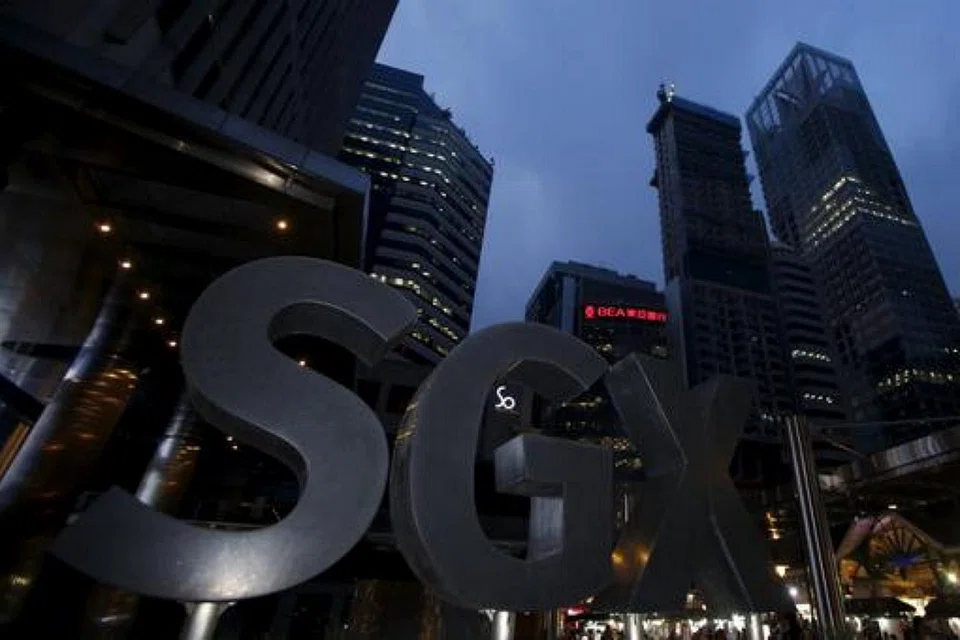
Singapore
COMPANIES with dual-class share (DCS) structures that are primary listed in developed markets will be allowed to hold a secondary listing in Singapore, the Singapore Exchange (SGX) said on Friday.
SGX said it was clarifying its existing secondary listing framework in response to queries during SGX's public consultation on whether to allow dual-class shares on the primary market. No new rules will have to be written.
The secondary listing framework adopts the "developed" classification by index providers FTSE and MSCI, recognising 22 markets in that category. A company with a primary listing on any of those markets will not face additional post-listing conditions except a requirement to make continuous disclosures through SGX for all announcements made on their home exchange. The companies must also maintain their primary listing on the home exchange.
All companies seeking a secondary listing in Singapore will, however, still be subject to SGX's listings review process. Secondary listing applications from companies with DCS structures will be referred to the independent Listings Advisory Committee, SGX said.
If a DCS company that is already secondary listed in Singapore delists from its home exchange, it will not be allowed to convert its secondary listing in Singapore into a primary one without unifying its share classes.
"The secondary listing of companies, including DCS companies, in Singapore provides investors with more choice and enables these shares to be traded during the Asian time zone," SGX CEO Loh Boon Chye said in a statement.
"Should a DCS company secondary-list on SGX, it could enhance overall market knowledge and familiarity with the risks and benefits of DCS companies."
SGX regulation chief executive Tan Boon Gin said the clarification on the secondary listing avenue does not presume that SGX will adopt a primary DCS listing framework. SGX is still evaluating feedback and hopes to provide an update before the end of the year, he said.
But allowing a few candidates through the door could help in the decision on whether and how to allow DCS structures for primary listings, Mr Tan added.
"We do see an opportunity here to get some insights to inform the primary listing process," he said. "If there's any secondary listing we can gauge investor interest, and what type of companes can use these structures. The regulator also has insight into the checks and balances that the other exchanges employ."
UBS head of Singapore investment banking Choo Oi Yee welcomed the clarification.
"Dual-class shares companies that are already listed elsewhere will benefit from being able to tap Asian liquidity via SGX," she said. "The exchange's clarification on its secondary listing framework is also exciting from the investor perspective as these companies already have a track record and may even be traded in overseas markets by Singapore participants."
While she said that there seemed to be demand from investors in Singapore, including from family offices with allocations for high-growth investments, potential issuers will still have to carry out a cost-benefits analysis before the impact is known.
Lawyer Stefanie Yuen Thio from TSMP Law Corp said that there should be enough safeguards in place.
"Given that the primary listing exchange has to be one of the approved ones, and knowing the level of scrutiny that our regulators will apply to such a new initiative, I'm confident that the safeguards will be enough to protect the market," she said.
But she added that SGX, which is considering DCS structures as part of a strategy to attract tech companies and improve market vibrancy, may want to look beyond just DCS.
"Block chain and cryptocurrency offerings, which are much more complicated, have also been launched recently," she said. "Investor education and selective updating of our regulatory regime to cater to innovative structures need to be regulatory imperatives."






