

SGX to bring back lunch break, widen some tick sizes on Nov 13
It will introduce "indicative equilibrium price" to reduce gap risk from mid-day trading break
Singapore
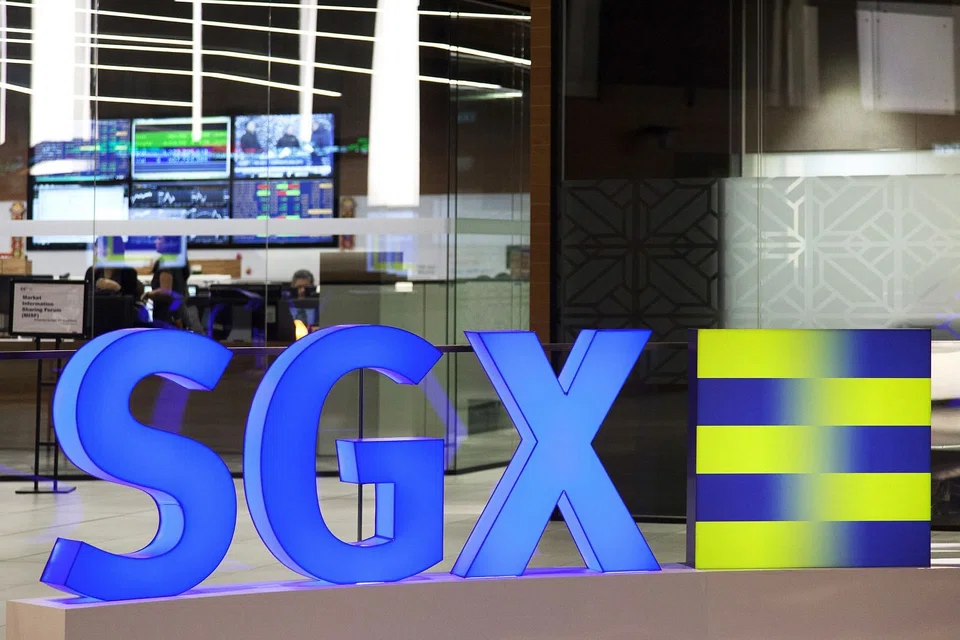
SINGAPORE traders will have an hour for lunch and minimum bid spreads will widen for certain stocks from Nov 13, after Singapore Exchange (SGX) wrapped up a public consultation exercise on market structure changes.
Following the public consultation, SGX said it will not change its original proposals to:
1) widen the tick size for stocks in the S$1.00 to S$1.99 range from 0.5 cent to one cent;
2) introduce a mid-day trading break from noon to 1pm; and
3) raise the threshold at which trades trigger an "error trade" warning, also called the forced order range, from the current 20 bids to 30 bids in either direction.
Although SGX resisted calls to deviate from its initial proposals, the mid-day break and wider tick sizes will represent a reversal of sorts from SGX's earlier attempts to raise liquidity and improve market quality.
The lunch break was abolished in 2011, for instance, partly to address gap risk - the danger that traders will not be able to react to major movements in other markets during the stoppage.
And ticks were narrowed over the years in an attempt to reduce trading costs and improve efficiency.
But those changes were unpopular with certain segments of the market. Remisiers lamented the loss of their lunch hour, while speculators argued that small ticks made it harder for them to profit from the spread.
In the latest changes, SGX sought a middle ground.
SGX rejected calls for tick sizes to be increased for a larger number of stocks and to be restricted to non-Straits Times Index counters - a recommendation pushed by the Securities Association of Singapore.
The exchange said that widening spreads for non-index stocks would raise the cost of trading them, and further discourage investors from considering them.
But SGX also held on to the reintroduction of the mid-day break despite concerns about gap risks.
The exchange said that the new lunch hour coincided with breaks in other key markets, such as Hong Kong and China, which would mitigate gap risk. Allowing investors to adjust their orders during the break and publishing an "indicative equilibrium price" - the price at which orders on the order book would be matched if trading were occurring - will also reduce that risk, SGX said.
As for the forced order range, SGX rejected suggestions to do away with the fee, saying that the mechanism was a way to prevent errors and to ensure that traders give due consideration before forcing an order through, especially since it seemed that some brokers are solely relying on SGX's forced order range as their only form of error prevention control.
If brokers have their own pre-trade controls and stop relying on SGX's mechanism, however, SGX might consider removing the system altogether.
There is also the issue of cost.
"There is a cost to SGX in maintaining an error prevention alert as a functionality of the trading engine," the exchange said. "The forced order range fee goes towards defraying that cost."
Society of Remisiers president Jimmy Ho welcomed the coming changes, noting that a Nov 13 implementation date will give brokers enough time to adjust their trading systems. "It's meaningful that we can eat lunch and have our lunch in peace . . . so that we can recharge ourselves for the next round in the afternoon."
TRENDING NOW

Knight Frank’s Tan Tee Khoon leaves firm, Nicholas Keong takes over auction business
Keppel Energy, Sembcorp Utilities and Tuas Power to supply biomethane in pilot project

GovTech retrenches another 38 staff in second round of layoffs
Take-up of new private homes dives 45% in Q3 as prices accelerate with 1.4% rise

