Singapore firms continue to hedge USD exposure
DBS Bank says it is seeing more customers choose FX forwards, which are less complicated and cheaper, over options to hedge their risks
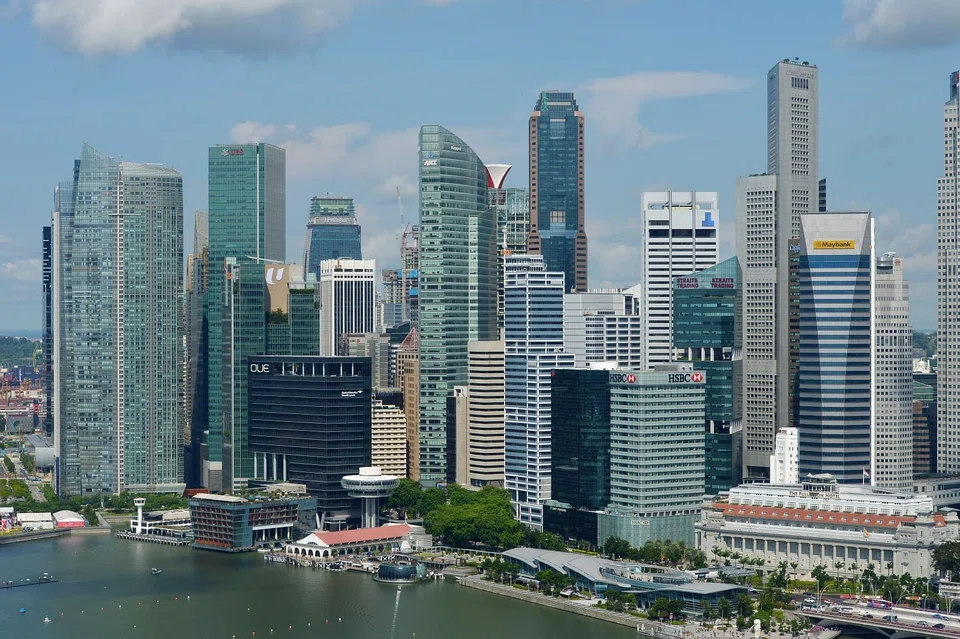
Singapore
SINGAPORE companies are generally a cautious bunch, they take no chances with their US dollar exposure and hedging remains an ongoing activity, said banks.
The US dollar's weakness in 2017 has seen the Singapore dollar, in line with most other currencies, strengthen - to as much as 8 per cent in early September - hurting exporters. Importers on the other hand have been enjoying a tidy windfall.
Singapore exporters selling into the US market will receive payment for goods in US dollars, which they then have to convert back to Singapore dollars. If the US dollar is depreciating, they will want to hedge their position to protect themselves from loss of value when converting into Singapore dollars.
But the question is how long before the wheel turns, and the kind of hedging to buy, which if too expensive or is the wrong type of hedge, could make it worse.
Banks say exporters and companies with US dollar exposure continue to hedge, even as the expectation is that US dollar weakness is over for now, and will appreciate this quarter.
"We believe the decline in the US dollar is reaching its limits," said Tariq Ali, Standard Chartered Bank investment strategist.
Some of the factors that have led to a weaker US dollar this year include expectations for a policy shift by other major central banks such as the European Central Bank, as well as disappointment with respect to fiscal policy by the new US administration.
From the high of 1.4545 in January, USD/SGD dropped to as low as 1.3348 in early September, before rebounding to current levels of over 1.36.
"The SG dollar has strengthened too much this year," said United Overseas Bank in its Oct 4 weekly outlook. UOB expects USD/SGD to rebound slightly and end the year at 1.38 before possibly topping out at 1.40 by middle of next year.
Hedging is de rigueur for big companies, while some smaller corporates may be tempted to hedge less as it can be expensive.
"Large corporates remain disciplined in managing their foreign exchange (FX) exposure despite the volatility in the US dollar," said Eileen Chia, UOB head of global markets sales.
This is because most of them are of the view that the US dollar may strengthen in the last quarter of the year and they are taking advantage of the dips in the currency to buy the USD/SGD pair, she said.
"We are also seeing small- and medium-sized enterprises switching to shorter tenor hedging and simpler FX forward contracts so that they can be more flexible as they respond to changes in the current uncertain and challenging environment," said Ms Chia.
Wee Wei Min, OCBC Bank global head of treasury advisory, said the bank helps customers manage their FX or foreign exchange risks first by gaining an in-depth understanding of their business. "We believe the key to helping our customers better manage their FX risk lies in gaining an in-depth understanding of their business. Our treasury advisers invest significant time and effort in engaging our customers to get to the root of their needs and to keep abreast of any changes to their business," said Ms Wee.
DBS Bank said it is seeing more customers choose FX forwards which are less complicated and cheaper over options to hedge their risks.
"To hedge their FX positions, corporate clients can either enter into FX options or FX forwards," said a DBS spokesman.
Of the two, using FX options for hedging FX risk is preferred if unexpected significant market movements are anticipated at a future date, she said.
Otherwise, FX forwards are a more cost-effective way to hedge FX risks.
"At this time, with the USD/SGD having fallen by 6 per cent to date, continued uncertainties surrounding North Korea and the prospect of one more Fed hike for the year, USD/SGD is expected to appreciate - but mildly - in the short term," she said.
"Given USD/SGD is expected to be largely rangebound in nature, we are seeing more customers choose FX forwards over options to hedge their risks."
With a forward contract, an exporter locks in the exchange rate at which they will convert their US dollar receivables to Singapore dollar at the predetermined future date.
With an option, the exporter is able to protect against any forex risk by entering into an agreement to convert his US dollar receivables into Singapore dollar at a contracted rate in the future.
Unlike in the case of forwards, however, he is not obliged to do so. If the US dollar rises above the contracted rate, the corporate can let the option lapse and benefit from the prevailing, more favourable rate.
However, this comes with a cost - which is an upfront fee that must be paid for the option.
If corporates believe that the US dollar will be rangebound, their preference would likely be to protect themselves by locking in a forward FX rate.
However if unexpected, significant FX movements are anticipated, then buying an FX option is a more attractive proposition, even when the upfront option fee that must be paid is taken into account.