

Small cap rally a welcome relief
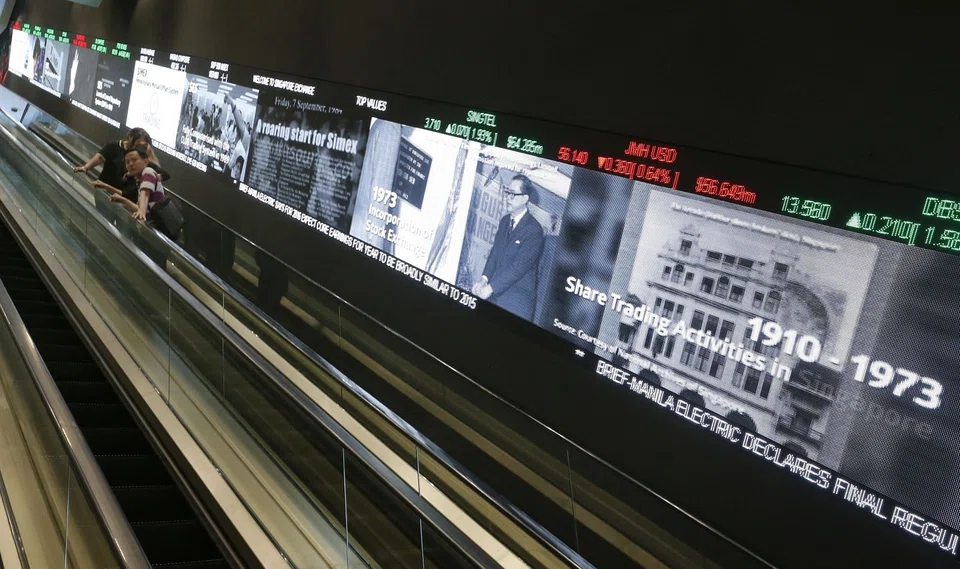
AFTER a couple of wintry years, spring has returned with a vengeance. The benchmark Straits Times Index (STI) has broken above its 2,800-point range and has climbed more than 10 per cent to over 3,100 points in a matter of months. A slight pullback saw it at 3,094.19 on Tuesday.
The recovery in value traded, now significantly above S$1 billion every day, is a welcome sight. What is more notable is how small-capitalisation stocks making up the bulk of the Singapore market have sprung to life.
Volumes are spiking. Last Friday's turnover of 3.8 billion shares was a 22-month high, not seen since April 2015. Before that, one will have to go back to the penny boom and bust of 2013 to find sustained higher volumes.
The return of such activity to the Singapore market is to be welcomed. Some speculative froth is necessary in a functioning market, provided that material information is disclosed promptly by companies.
Speculation is sometimes viewed as a dirty word. But speculating on the potential for companies to dramatically improve their fortunes, be it through earnings improvements or mergers and acquisitions (M&A), is one way for investors to stay ahead of the pack.
The current price recovery has been broad-based.
Many contract manufacturers, natural resources players, component distributors, property players and oil and gas players alike are all up by double-digit percentage terms or more this year. There are some economic fundamentals backing the surge. For example, the manufacturing sector in the developed world is experiencing a rise in orders.
And many Singapore-listed stocks cannot be said to be expensive. Major segments of banking, property and oil and gas stocks have been battered by the commodities crash and the economic downturn of recent years. Earnings have not really recovered.
The market rank and file, comprising 600 of the 700-odd stocks here, are small companies below S$1 billion in market capitalisation.
Two-thirds of those sub-S$1 billion companies have a market capitalisation of below S$100 million. And out of those, roughly two in three are still trading below the book value of their net assets.
Book value can be deceptive, but it is still a broad indicator that sums up the doldrums here ever since the infamous trio of Asiasons, LionGold and Blumont were allegedly manipulated up to having billions of dollars of market capitalisation before their inevitable crash. It was not until late last year that regulator Monetary Authority of Singapore and white-collar crime busting unit Commercial Affairs Department managed to complete their investigations and charge some individuals.
In recent days, fervent trading has taken place in stocks like commodities trader Noble Group, under speculation of a stake interest from China chemicals firm Sinochem. Then there is Disa, the former Equation Summit, whose subsidiary earlier on had to retract an announcement on how it has rolled out a consumer electronics product-locking technology to retail giant Walmart.
Serrano, the beleaguered Catalist-listed interior fitting-out firm that is undergoing a rescue, also contributed to market activity, along with video tech firm Artivision. Components manufacturer AA Group is another active after announcing a diversification into warehousing and logistics services.
In all, it is about time that the Singapore market is showing some green shoots. Retail investors, many who have given up on stocks after the various fiascos of the past, might now be persuaded to return - hopefully not right before the next downturn hits.
TRENDING NOW

Government to bring forward raising of retirement age, give employers more financial support to create flexi-load jobs
Indonesia stocks suffer worst plunge in nearly 30 years as MSCI proposes standalone status

If Europe goes to war, the fallout will be felt in East Asia
Natural gas to stay for the long haul beyond 2050: Singapore International Energy Week panellists

