

JSW Group to invest US$5 billion in EV projects in eastern India
 Add BT as a preferred source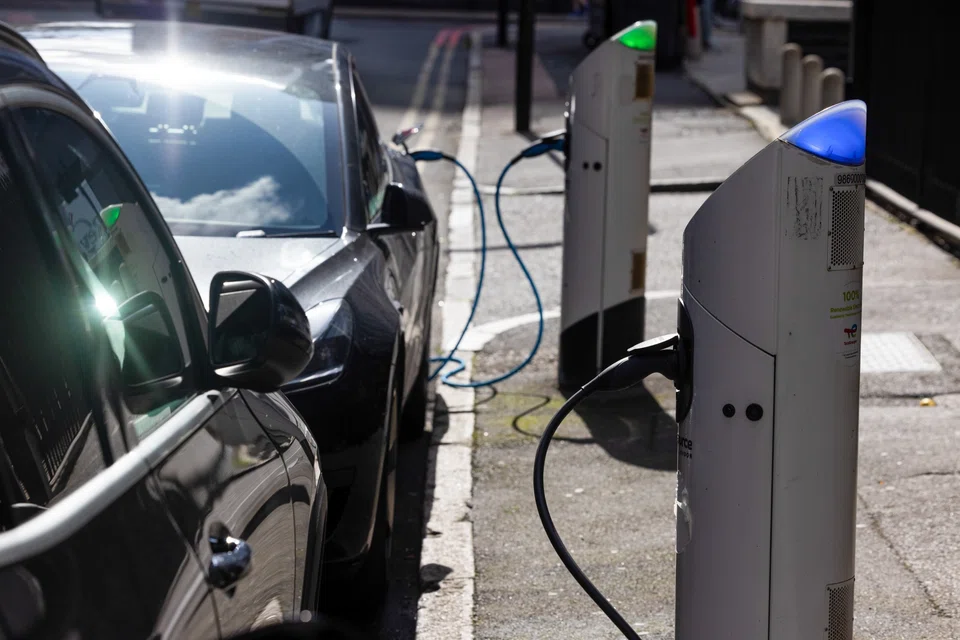
DeeperDive is a beta AI feature. Refer to full articles for the facts.
JSW Group is set to invest US$4.81 billion in electric vehicle (EV) manufacturing projects in India’s coastal state of Odisha, as it takes on both domestic and international players in India’s small but booming EV market.
Electric models made up around 2 per cent of India’s car sales last year, with Tata Motors dominating the market, but the government is targeting a 30 per cent share by 2023.
JSW Group will invest 250 billion rupees (S$3 billion) in an EV battery manufacturing plant and an EV components plant in the first two phases of its plan, according to a statement on Monday (Jan 22).
In a third phase, the conglomerate plans to invest 150 billion rupees to set up an EV components manufacturing complex.
JSW Group and China’s SAIC Motor formed a joint venture in India in November, with a focus on green mobility and developing the electric vehicle ecosystem.
India has still to decide whether to cut import taxes on EVs under a proposed policy for carmakers that commit to local manufacturing, something that could ease Tesla’s entry into the market, a top government official told Reuters.
Navigate Asia in
a new global order
Get the insights delivered to your inbox.
Tata, Mahindra & Mahindra and South Korea’s Hyundai Motor have asked New Delhi to maintain the current policy, discouraging any reduction in taxes on hybrids, sources told Reuters earlier this month. REUTERS
Decoding Asia newsletter: your guide to navigating Asia in a new global order. Sign up here to get Decoding Asia newsletter. Delivered to your inbox. Free.
Share with us your feedback on BT's products and services
TRENDING NOW

Autobahn Rent A Car directors declared bankrupt over S$50 million each owed to DBS

Higher costs, lower returns: Why are Singaporeans still betting on real estate?

Richard Eu on how core values, customers keep Singapore’s TCM chain Eu Yan Sang relevant
Loyang Valley sold for S$880 million to SingHaiyi-led consortium

