UnionPay eyes 'unbanked' in rural SEA
It now has a wide payment network in three developing countries in this region: Laos, Myanmar, and Cambodia.
UNIONPAY International wants to bring its expertise in reaching the "unbanked" in the rural areas of China to parts of South-east Asia - and this would extend its clear presence in the three poorest countries in this region.
This comes as the world's largest card issuer has been urging the Chinese to stop paying with cash since it was started just 13 years ago.
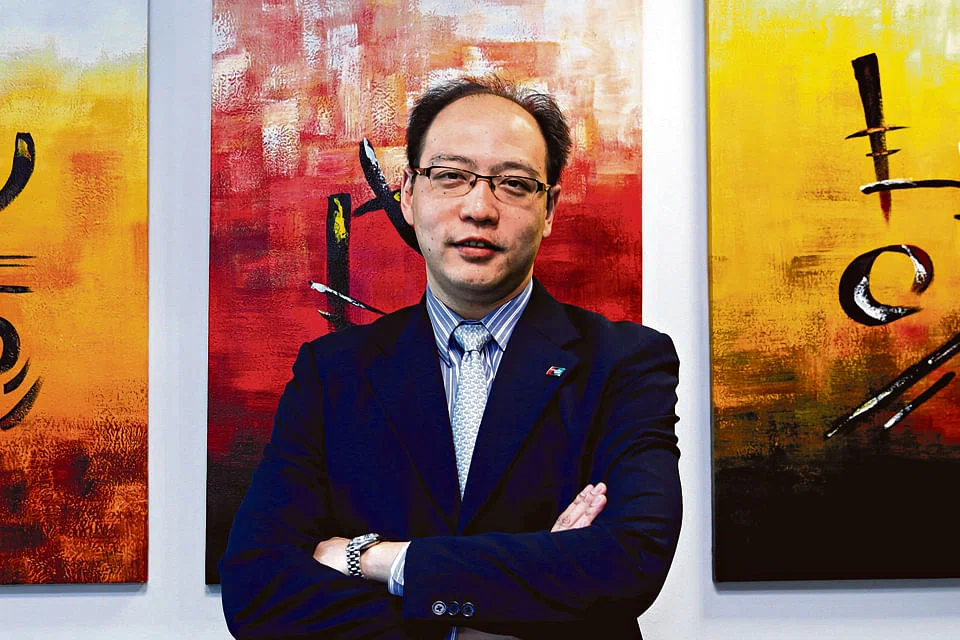
"We democratised cashless payments and brought an array of options to the masses within 10 years," Yang Wenhui, general manager, UnionPay International Southeast Asia, told The Business Times in a recent interview.
Today, cashless spending in China through cards is about 48 per cent, up from a mere 2.7 per cent in 2001.
"We believe this experience can be applied holistically to the developing markets in South-east Asia, keen to transform and bring their payments infrastructure to the next level of maturity," said Mr Yang.
Analysts have for several years talked about the vast opportunities in reaching those in developing countries, people whose idea of money management is literally to keep cash under a mattress. A Standard Chartered report last year noted that nearly half of the adults in the world - or 2.5 billion people above the age of 21 - have no access to financial services, with most of them living in parts of South Asia, Africa and the Middle East.
However, the movement for greater financial inclusion hasn't reached evangelistic fervour yet because of tough barriers to crack that include shaky local regulations.
Working in a protected home market, UnionPay - which has issued more than 4.7 billion UnionPay cards in China and globally - said it is enjoying success in this drive in China, with more than 70,000 banking outlets in rural areas accept UnionPay cards.
UnionPay also provides farmers with a pre-card service that allows them to buy agricultural products, as well as remit and withdraw money at rural credit cooperatives. "In the past, most villagers will carry boxes of cash back home to celebrate Chinese New Year and will fear being robbed," said Mr Yang.
The card can also pack information on medical insurance - in Hebei, UnionPay cards contain details on farmers' medical insurance, treatment received from hospitals and bank information.
Medical expenses are directly reimbursed and transferred automatically to the relevant bank, said Mr Yang.
"Second- and third-tier cities in China and rural communities in South-east Asia have similar payments ecosystems," he added.
Ambitions to expand into South-east Asia - reflected partly by the set-up of UnionPay's international business unit just three years ago - also come as China's State Council said in April that foreign firms would be allowed to apply to the central bank for licences for bank card clearing businesses, effectively bringing to an end a grip held by UnionPay on payment clearance, Reuters reported.
As it is, Visa and MasterCard pay network access fees to UnionPay when taking in payments in yuan.
UnionPay now has a wide payment network in three developing countries in this region: Laos, Myanmar, and Cambodia. In Myanmar, its cards are accepted at nearly all automated teller machines, while more than 80 per cent of mer chants there accept UnionPay cards.
Mr Yang said the company has also gone one step ahead by allowing cash transactions in the local currency, kyat, whereas other players still offer just US dollars.
"Myanmar is ready to leapfrog from cash transactions to cashless payments, skipping the natural progression stage such as using cheques and moving on to newer infrastructure and the latest technology in payments," he added. "Myanmar is a key market for us with vast potential."
UnionPay could take some lessons from its experience in Cambodia, where it was the first to introduce contactless payment, said Mr Yang. The same opportunity could also be available in Laos, where it is now the biggest card payments player, with seven in 10 ATMs accepting its cards.
In more advanced markets in Asia, UnionPay's strategy is to offer merchants access to the spending of outbound Chinese tourists whose expenditure is invariably tied to UnionPay's payment network, given that international payments players have limited access to the Chinese market.
In South-east Asia alone, the number of UnionPay cards issued tripled in 2014 from a year to over four million, coming on the back of the company's international expansion since 2012.
"As we witness a growing international appetite for Chinese investment, two-way trade flows, a rising demand for Chinese goods and burgeoning Chinese tourism market, we wish to extend UnionPay's 'top-of-wallet' status among Chinese users overseas such as the tourists, professionals, students, executives and expatriates working and living in Singapore, Hong Kong and Japan," said Mr Yang.
"We work with our partners to provide affordable rates for card adoption and enable merchants to reap the benefits of Chinese tourists," he added.