Lessons from Jones the Grocer's collapse
Private equity L Capital says they are working to rebuild the brand, open new stores
Singapore
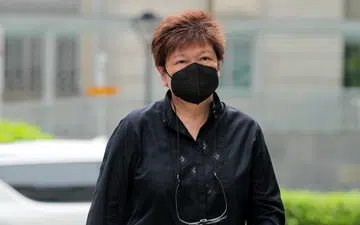
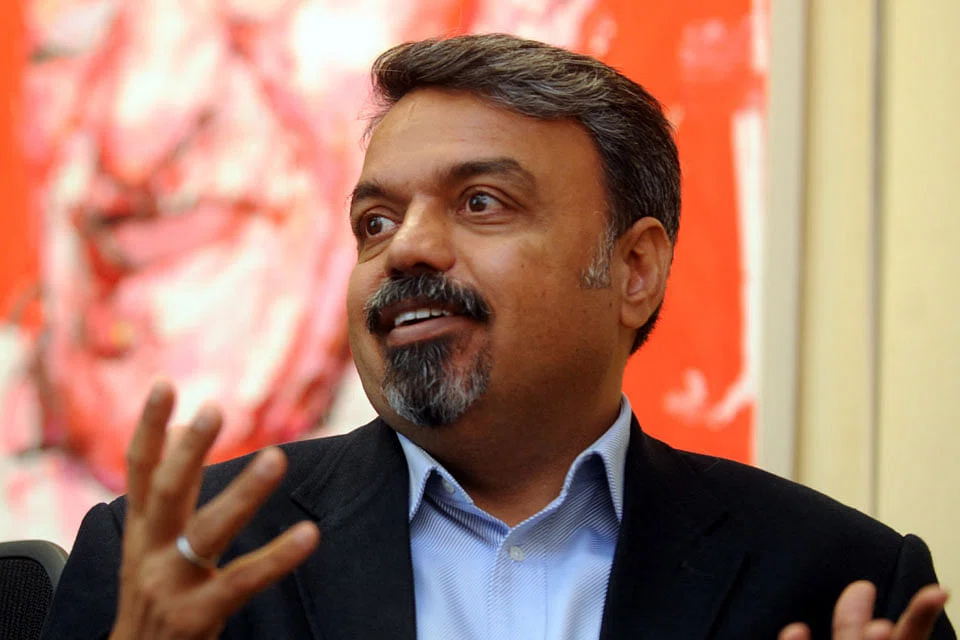
A LAWSUIT, bad debts and insolvency - these don't faze Ravi Thakran. For there are lessons even in adversity, the managing partner of L Capital Asia believes.
"We learn from every experience and many times the not-so-successful ones teach you more than the successful ones," he said of Jones the Grocer's highly watched fall from grace.
Jones The Grocer International (JTG), the Singapore arm of the L Capital-backed Australian gourmet grocer, has been under judicial management since November for being unable to pay unadjudicated debts amounting to close to S$19 million. Its two assets were put up for public sale in April.
L Capital's initial investment in Jones The Grocer in 2012, along with investments in three other Australian brands, was part of the Asian private equity firm's strategy to look at Australia through a different lens, Mr Thakran said.
Australia is a market that's difficult to do business in as it has two limitations: size of its population and size of the country.
"One is too small and one is too big. Therefore, you have high rental costs because infrastructure is difficult to build, and high cost of labour and logistics. But if you can make profit even with those constraints, you can do business anywhere," he explained.
What happened in the case of Jones the Grocer was that the active shareholder was not its best manager, Mr Thakran said. "It happens in many companies, some shareholders can have visionary concepts and ideas, but can't manage very well."
Addressing speculation that it was private equity pressure to scale quickly that caused the brand's collapse, Mr Thakran, citing portfolio company RM Williams' two-year store revamp process as a contrary case-in-point, said: "We always try to give them enough leash. As a private equity fund, we respect the entrepreneur, but when we realise that someone tries to take shortcuts or cut corners, then that's against our ethos of building world class brands, which is why JTG went under administration.
"We should get it fully or someone else should, so the brand can live on as it should," he added.
According to JTG's financial records, the company was bleeding amounts of up to S$430,000 in cash, with only S$61,611 in the bank balance at one point.
Bids for the sale of JTG's assets closed last Friday, with L Capital among the bidders, Mr Thakran confirmed. In Australia, L Capital Asia has bought back Jones' parent company and put in a new chief executive officer and franchising director, and "in Singapore we believe we should get it, but if someone else should get it, we're happy to work with them as a franchisee".
"We will not leave the course," he said, adding that new best practices and strategies came out from the episode. From focusing solely on a company's commercial performance when conducting due diligence on potential investments before, L Capital now deploys two senior executives "to spend time with the company, particularly with the chairman or CEO to find what we call the 'smell' of the company," Mr Thakran said. "Are employees happy, is there a cool work environment or is it subdued?"
Similarly, a silent observer will sit in every meeting with portfolio companies from now "because when you are too busy engaging, you miss out the cues, verbal and non-verbal", he said. The S$30 million invested in Jones was only 2 per cent of L Capital's total deployable funds, he emphasised.
On concerns that JTG's creditors will be left with unpaid debts after its sale, Mr Thakran said that they potentially stood to gain more from the brand's rebuilding, adding that a deal has already been inked to open 30 new Jones The Grocer franchise stores in eight territories in the Middle East within the next 10 years.
L Capital is also in talks to take stakes in two more Singapore companies, as well as expand their investments in the entertainment sector and in mid-tier brands aimed at the growing Chinese middle class - in the wake of the slowdown in luxury spending in China.
"But always, step by step. Louis Vuitton didn't get to top spot from one day to another. It will take some time. But once we get there, we intend to stay there," he said.