

Nike's bid to challenge old-school Adidas Cool gets winded
Its reboot of the Cortez with a big campaign isn't shifting as many sneakers as hoped for, and the sales are falling. Adidas, however, is garnering more buzz
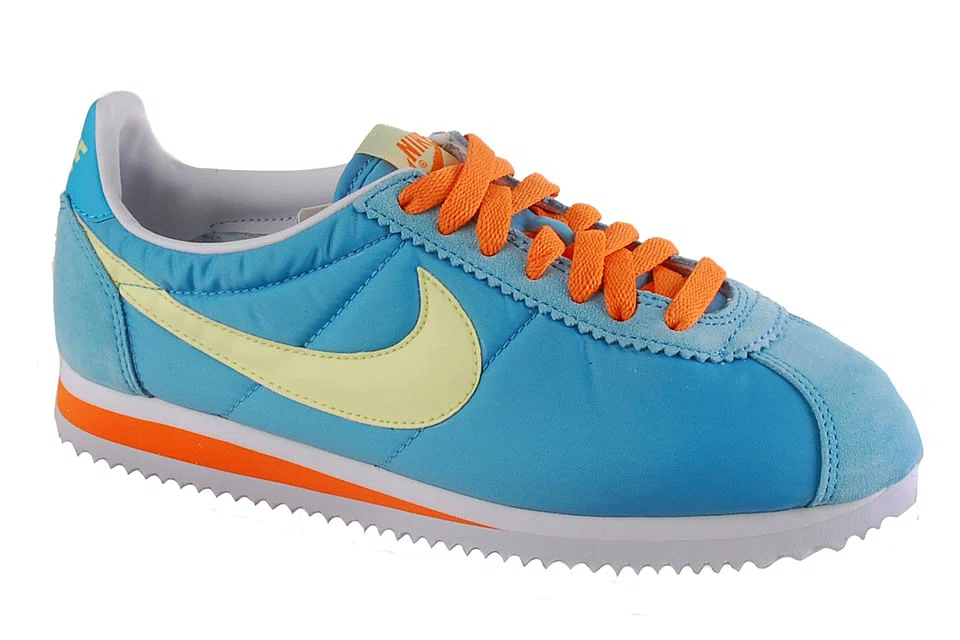
IN 1967, the company that would become the world-famous shoe brand Nike needed an identity for its new, state-of-the-art running shoe.
Co-founders Phil Knight and Bill Bowerman settled on "Aztec", but, as Mr Knight's autobiography tells it, industry giant Adidas had a track spike called "Azteca Gold", and was allegedly threatening to sue.
The Nike founders, firing the first volley in what was to become a decades-long rivalry with the German shoemaker, decided to call their new shoe the "Cortez" - after "the guy who kicked the (crap) out of the Aztecs".
In the 50 years since that branding decision, Nike became both commercial behemoth and cultural phenomenon.
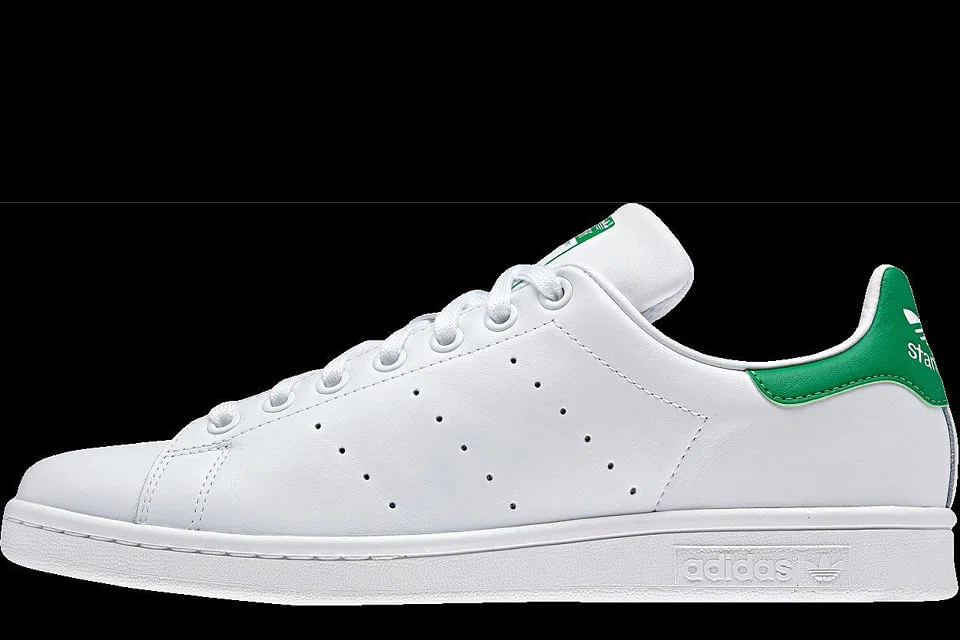
But by last year, the tide of the long battle had turned. Adidas was once again ascendant, via two sneakers originally designed in the 1960s, namely, the Stan Smith and the Superstar. They outsold every other kick in America and sent Adidas' share of the US footwear market skyward by 83 per cent - with much of those gains swiped from Nike.
Nike was losing ground for the first time in decades. Future orders fell 4 per cent in three months ended February, from both retail partners and the company's own stores. Every geographic region, save emerging markets, posted a major drop in business.
Nike really needed a winner.
In September of last year, chief executive officer Mark Parker started laying the groundwork. He told analysts and investors that, like Adidas, Nike would look to past successes to win today's market. The Cortez, he announced, would make a comeback.
The reboot was big. In May, the company enlisted supermodel Bella Hadid for an elaborate photo shoot. She was photographed on a retro-style car, on a skateboard and a BMX bike.
Sneakerhead blogs and fashion magazines went wild. A few months later, Nike expanded the Cortez campaign, hiring Kendrick Lamar as its pitchman, a partnership he blasted on social media with a plug for the old/new shoe.
Meanwhile, the company whipped its designers and factories up to speed, cranking out a stream of special Cortez editions to complement the classic one.
In May, there was the "Compton" colourway, and the "Kenny Moore" collection; in June, the company dropped a pair featuring its popular Flyknit upper material. In July, there was a collaboration with Mister Cartoon, a designer best known for celebrity tattoos and graffiti.
Nike was in for a rude awakening. Despite all the effort, customers just didn't seem to care.
Matt Powell, a sneaker analyst at NPD Group Inc, said Cortez sales this year have been "very minor", even with the media blitz. "No retailer is talking to me about this shoe," he said.
Adding insult to injury is the bill for Hadid, Lamar and those excellent photographers.
Of more concern than weak sales, though, is the reboot's poor showing on social media. Among 200 people whom analytics firm Traackr Inc deems "influencers" in the sneaker market, the Cortez garnered a respectable volume of mentions this year, not as many as the Air Max 97, its sibling sneaker.
What's more telling is engagement - the dialogue that captures "likes", reposts and comments. This is where Adidas' Superstar shoe still shines - and that is not the only good news for the German brand. In the middle of the Cortez rollout, Adidas overtook the Nike Jordan brand as the No 2 sneaker name in America.
Andrew Raisman saw the buzz first-hand as he launched Copdate, an app that helps consumers reserve highly anticipated, limited-release shoes. He said Adidas has been masterful in making its retro models relevant and stoking demand with so-called super-consumers, including fashion models and sneaker geeks.
The main Nike brand is still No 1, but that isn't as much of a given as it once was.
The failure of the Cortez to gain traction is doubly surprising because, after all, reintroducing an old shoe is a pretty low-risk strategy; after all, demand has been proven and the cost structure is slim.
Financially, Nike said it is still on track for US$50 billion in sales, and it still has some of the market's hottest shoes; this year, that includes the Roshe and the aforementioned Air Max 97.
What's worrisome is how little attention consumers appeared to have paid to its marketing. In today's media landscape, it is tougher than it used to be to win on big, slick set pieces that blanket the landscape - the type of campaign that built Nike through Michael Jordan's career. Now companies have to score in the run of play - by having the right people in the right places making a series of small, skillful decisions on social media and in stores.
In rebooting the Stan Smith line, Adidas crafted a campaign that was more shaggy than slick. First, it quietly pulled them from the market. Then it shipped customised pairs to select celebrities as it prepared to ramp up production. In the end, the Stan Smith caught fire because a famous designer wore a pair out on a Paris catwalk, no fancy photo shoot required.
Nike, for its part, posted a further 3 per cent drop in North American sales in September. Its CEO Parker is now no longer talking about the Cortez, but about being geared to "better serve the consumer personally, at scale", that is, being one that will increasingly react to its customer, rather than hope the opposite holds true.
Still, Nike hasn't given up on the old shoe entirely. The company is working on a new version of the Cortez with Lamar.
The sneaker blogs are abuzz. BLOOMBERG
TRENDING NOW

Grab CEO’s wife Chloe Tong on life with Anthony Tan and finding her purpose

Hwa Seng Builder, two China companies win S$1.2 billion Tuas Road Viaduct phase two contracts

Deal between tycoon friends sparks scrutiny of Philippine power sector

Canada is upping oil flows to Asia, but South-east Asia’s refineries aren’t ready to handle them yet

