

Asia driving force of oil demand growth
More than half the growth in demand of about 1.7-1.8 million barrels a day came from Asia this year
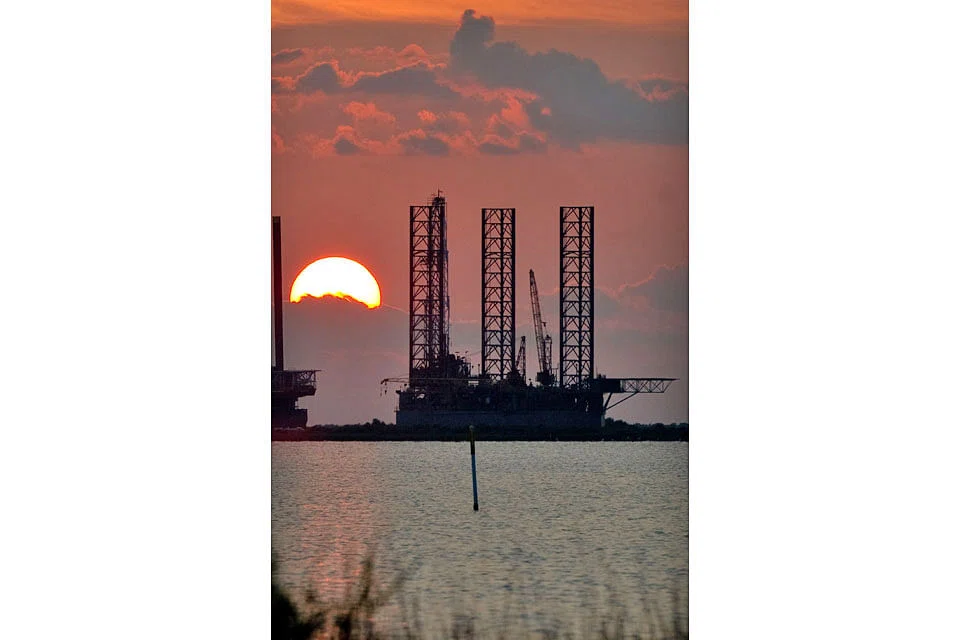
Singapore
OIL majors and global oil traders struck a bullish tone on Monday amid a rangebound oil price market, with many noting that oil demand has grown significantly this year in line with stronger global economic growth, and that the market is well on its way to rebalancing.
A top industry executive also expects the Organization of the Petroleum Exporting Countries (Opec) to continue its crude oil production cuts beyond March next year, in order to boost the expected initial public offering (IPO) of Saudi Arabia's national oil and gas company Saudi Aramco.
Janet Kong, BP's CEO of integrated supply and trading in the eastern hemisphere, said oil demand this year has been "extremely strong", with demand growth of about 1.7-1.8 million barrels a day, compared to the 10-year average of about 1.2 million barrels a day.
"This supports our view on the global economy doing very well," she said, while on a panel at the FT Commodities Summit. The demand for oil products this year was also different from past years in two aspects, she added.
While oil demand growth in the past three to four years has been driven by consumer-linked oil products such as gasoline, this year's demand growth has been driven by oil products used more by industry such as diesel.
Secondly, while demand growth had come from developed countries last year, especially in gasoline demand, more than half of global demand came from Asia this year, she said.
Concurring with her assessment of Asia's strong demand growth, Trafigura CEO for Asia-Pacific Tan Chin Hwee said on the same panel that Asian business now contributes 40 per cent of the trading firm's overall revenue, up from 30 per cent a year go.
This, he said, is due to consumer demand in the region, not just in China and India but also other countries.
Crude oil has been trading within the US$45-US$60 a barrel range this year as US shale producers are expected to boost output with any rise in oil prices.
BP's Ms Kong is also expecting Opec and Russia to roll over their production cuts again when they expire at the end of March next year. The oil producers, who first agreed to cut output by about 1.8 million barrels last year from the peak October 2016 levels, ended their talks in Vienna last Friday without any recommendation.
"At this point, demand and supply is a bit on a knife's edge," she said. "It makes sense for Opec to continue to roll over the cut, especially since Saudi Arabia wants a successful IPO (of Saudi Aramco). It'll be a very diffcult story to sell if the market is in a full glut."
Saudi Arabia is preparing for the IPO, which the government has previously said may reach a valuation of US$2 trillion, to be held in the second half of next year.
Ms Kong's view was shared by other industry players. In a poll at another industry event, the Asia Pacific Petroleum Conference (Appec), 70 per cent of the 500-strong audience said they believe that Opec and non-Opec producers will continue to collaborate to manage the oil market.
Asked to vote for where they expect the oil price to be in September next year, 68 per cent chose the US$50-60 a barrel band, while 19 per cent expect it to trade within the US$40-50 band.
Monday marked the first day of the annual Appec week, when the global oil trading industry descends on Singapore for a flurry of industry events, meetings and cocktail parties.
The Appec conference, previously organised by a local firm, was acquired by S&P Global Platts in April last year for an undisclosed sum.
TRENDING NOW
Easy to rent out, hard to sell: Are buyers losing interest in Singapore’s one-bedroom condos?

GovTech retrenches another 38 staff in second round of layoffs

Stocks to watch: Seatrium, CapitaLand Investment, Keppel DC Reit, Suntec Reit, CLCT, TSH Resources

World’s largest offshore wind platform by Seatrium consortium on track to be completed by 2028

