

Singapore wins race to house Neste's new renewable diesel plant
Singapore
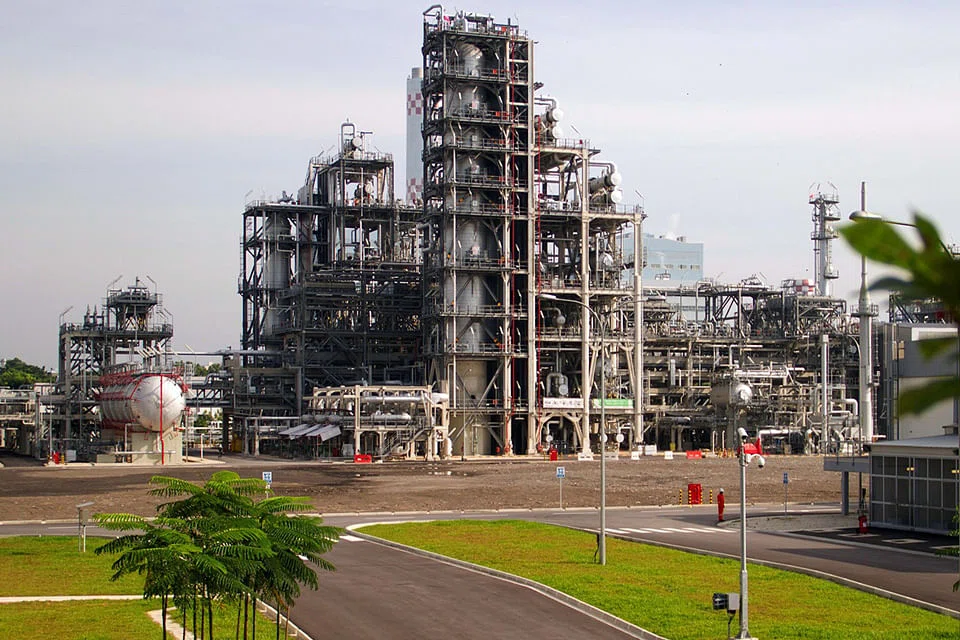
ENERGY giant Neste has settled on Singapore as home for its next large-scale renewable diesel plant as the group moves to beef up its renewable products business.
The location for the new facility was a toss-up between Singapore and the United States earlier.
"There were two equally good locations for the refinery, the United States and Singapore," Kaisa Hietala, head of Neste's renewable products business, said in a statement on Tuesday.
"We investigated the strengths of both potential operating environments, and also revisited our outlooks for raw materials and demand. Based on this overall assessment, we settled on Singapore."
Neste has started a detailed technical study of the new production line, and aims to come to a final investment decision by the end of 2018.
If the project proceeds as planned, production at the new production line will begin in 2022, the group said.
It did not disclose how much the new investment will cost, although Neste president and chief executive Matti Lievonen had told The Business Times in an interview last month that the upcoming refinery will be bigger than its existing ones - including the S$1.2 billion refinery in Tuas - with more complex operations.
Neste's total renewable diesel production capacity stands at 2.6 million tonnes today. More than one million of its renewable diesel is produced in Singapore, with a similar amount in Rotterdam, with the rest in Porvoo, Finland.
The new production line will expand Neste's capacity at the Singapore refinery by one million tonnes, said the company. This will, in turn, eliminate bottlenecks and raise its total capacity to three million tonnes by 2020.
In addition to producing renewable diesel, the new project will also focus on renewable aviation fuel and raw materials for various biochemical uses.
Mr Lievonen, in the interview, had said Neste was considering a host of factors regarding the site of the new plant, such as how the location's business chains will fit in with its operations, the availability of feedstock sites, talent, as well as support for the business.
He noted that the Singapore facility has performed very well since it opened in November 2010, recording a 30 per cent jump or a 300,000 tonne growth in capacity over the last four years.






