Adapt to tech changes or risk becoming obsolete: Iswaran
Singapore
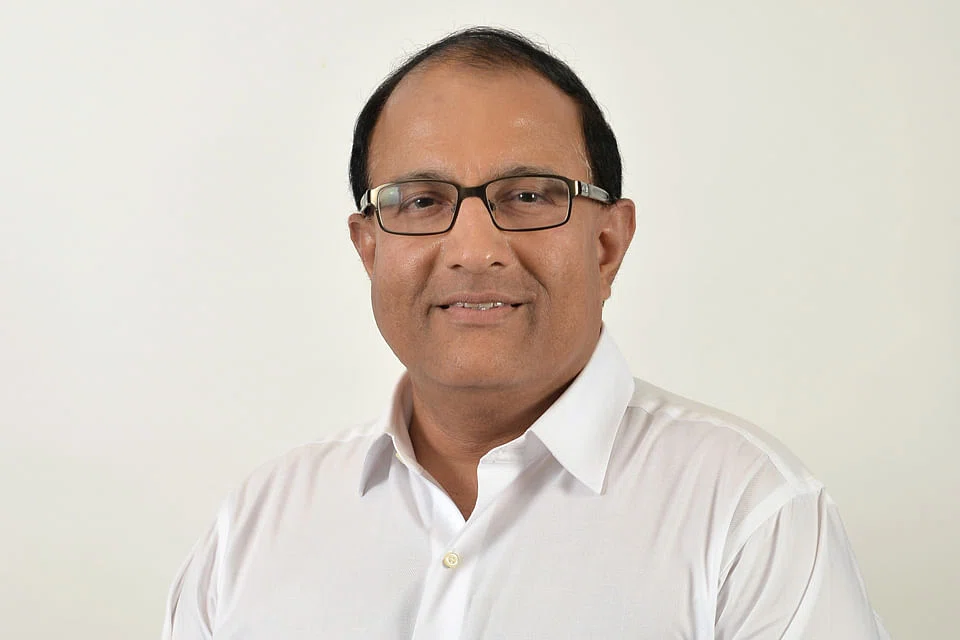
NEW technologies and their applications in countries like China and India have effects on Singapore businesses, said Trade and Industry Minister S Iswaran at the 2017 MTI Economic Dialogue held on Monday.
Speaking on how technological disruptions affect traditional business models in the transport and retail sector - with the rise of digital platforms including Grab, Uber, DiDi Chuxing, Go-Jek, and Amazon Prime - Mr Iswaran said businesses have to be nimble and adapt to changes or risk becoming obsolete.
He also highlighted several pieces of technology such as blockchain and artificial intelligence which were causing some of these changes.
Mr Iswaran said it was developing countries like China and India that were seeing the biggest changes.
"Some of the biggest changes are in developing countries. China is no longer just a low-cost manufacturing hub, having moved up the value chain and competing with developed countries.
"Shenzhen is now considered the world's capital of hardware innovation, producing 70 per cent of the world's drones. China is also making significant investments in research and development, and acquiring capabilities in other high-tech industries like semiconductors."
As for India, its biometric Aadhar identity system - where a billion Indians have been assigned a unique 12-digit number that can be verified through a scan of a thumb or an eye - has paved the way for new business opportunities, Mr Iswaran said.
This, together with India's relatively high mobile phone penetration rate, has allowed the proliferation of banking services to those who were previously not formally banked.
Mr Iswaran said this has allowed DBS's expansion into the Indian banking sector with the launch of India's first mobile-only bank.
Other examples he cited of local firms taking advantage of technology to grow in the region included digital entertainment company Garena which has expanded into e-commerce, and startup Saleswhale which uses artificial intelligence to automate following up on sales leads.
Mr Iswaran said Asia is one of the fastest growing regions in the world, and was projected to grow at 6.4 per cent this year, compared to 2 per cent in advanced economies.
Directing his comments at the university students present, Mr Iswaran encouraged them to:
First, seek opportunities to gain regional exposure, whether through overseas internships, semesters abroad, or regional work assignments.
Second, he urged them to embrace lifelong learning to understand emerging technologies, acquire new skills, and stay relevant to industry.
Third, he told students to follow their entrepreneurial spark, and highlighed the support that the Singapore government offered for entrepreneurial ventures here.
For example, he said that under Startup SG Founder, first time entrepreneurs are offered up to S$30,000 in government funding by matching three dollars to every dollar raised privately.
"Ultimately, the change is ubiquitous - it is happening everywhere and on an unprecedented scale," said Mr Iswaran.
"Rather than seek to resist these changes, the smart response is to embrace them and turn them into opportunities."