

China beats forecasts with 6.8% growth in first quarter
 Add BT as a preferred source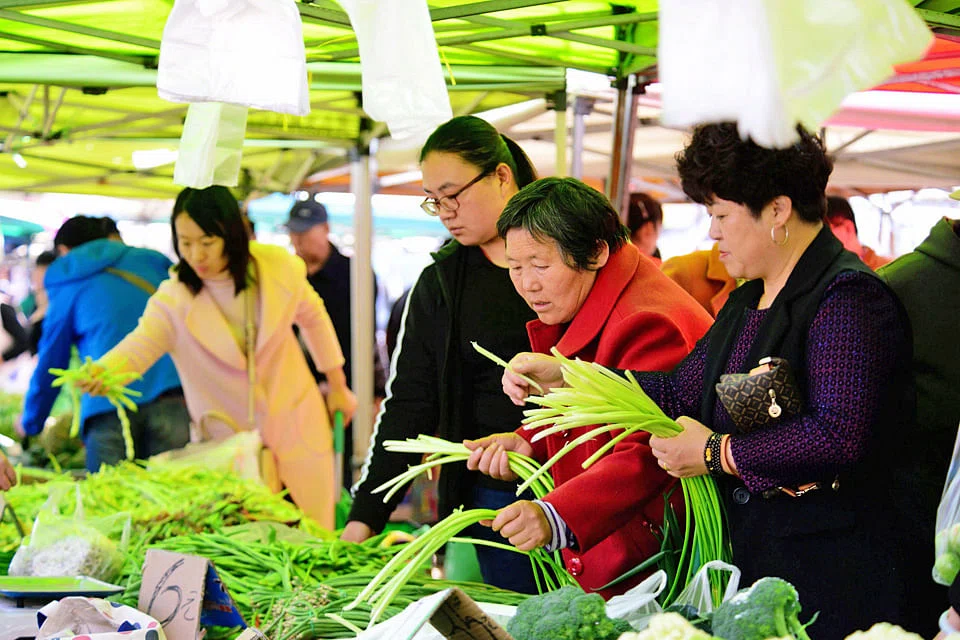
DeeperDive is a beta AI feature. Refer to full articles for the facts.
Beijing
CHINA'S economy grew 6.8 per cent in the first quarter of 2018, slightly faster than expected, buoyed by strong consumer demand and surprisingly robust property investment despite continued measures to tame rising home prices.
Beijing is looking to keep the economic balancing act intact even as it faces rising trade tensions with its largest trading partner, the United States, that could impact billions of dollars in cross-border trade.
"Consumption is really strong, there is strong wage growth in urban areas. We underestimated the power of consumption in China," said Iris Pang, Greater China economist at ING in Hong Kong. "Property investment is actually rising so I would not conclude the property segment is derailing the economy," she added, referring to the consensus view that the sector is starting to cool under the weight of rising mortgage rates and measures to curb speculation.
Analysts polled by Reuters had expected gross domestic product (GDP) to expand 6.7 per cent in the January-March quarter, slowing only marginally from 6.8 per cent growth in the previous two quarters.
That's positive news for Beijing, giving policymakers room to further reduce risks in China's financial system and rein in pollution without stalling economic growth.
Navigate Asia in
a new global order
Get the insights delivered to your inbox.
Resilient consumption, which accounted for 77.8 per cent of economic growth in the first quarter, has helped support the world's second-largest economy even as risks grow for its exporters. Investment in real estate, a crucial driver of the economy, accelerated to 10.4 per cent in the first quarter - the fastest pace in three years. That compared with a 9.9 per cent rise in the first two months of this year and a 9.1 per cent expansion in the same period in 2017.
March retail sales rose 10.1 per cent from a year earlier, the strongest pace in four months, with consumers buying more of almost everything from cosmetics and clothing to furniture and home appliances. Analysts had expected retail sales to rise 9.9 per cent from 9.7 per cent in the first two months of the year.
The first-quarter economic performance has set a good foundation for the full year, although international uncertainties are increasing and domestic development remains uneven, the National Bureau of Statistics said.
Growth remained comfortably above the government's target of around 6.5 per cent for the full year, which could give policymakers more confidence to step up efforts to reduce risks in the financial system and clean up the environment.
On a quarterly basis, GDP in the first quarter grew 1.4 per cent, easing from a revised 1.6 per cent in the October-December period. Analysts had expected growth of 1.5 per cent.
Overall, Jan-March fixed-asset investment growth slowed to 7.5 per cent, just below expectations and cooling from 7.9 per cent in January-February. First quarter infrastructure investment rose 13 per cent on year, but eased slightly from January-February.
Industrial output was perhaps the biggest downside surprise, expanding 6 per cent in March on-year, the slowest pace in seven months. REUTERS
Share with us your feedback on BT's products and services
TRENDING NOW
Autobahn Rent A Car directors declared bankrupt over S$50 million each owed to DBS

Amazon’s MGM Studios gains creative control over ‘James Bond’ franchise

UOB’s Wee Ee Cheong says S$4.9 billion Citi deal ‘paying off’ as Asean push accelerates
In taxing wealth, how far can Singapore push property owners?

