

Duterte's Beijing visit is a chance to reset China relations
 Add BT as a preferred source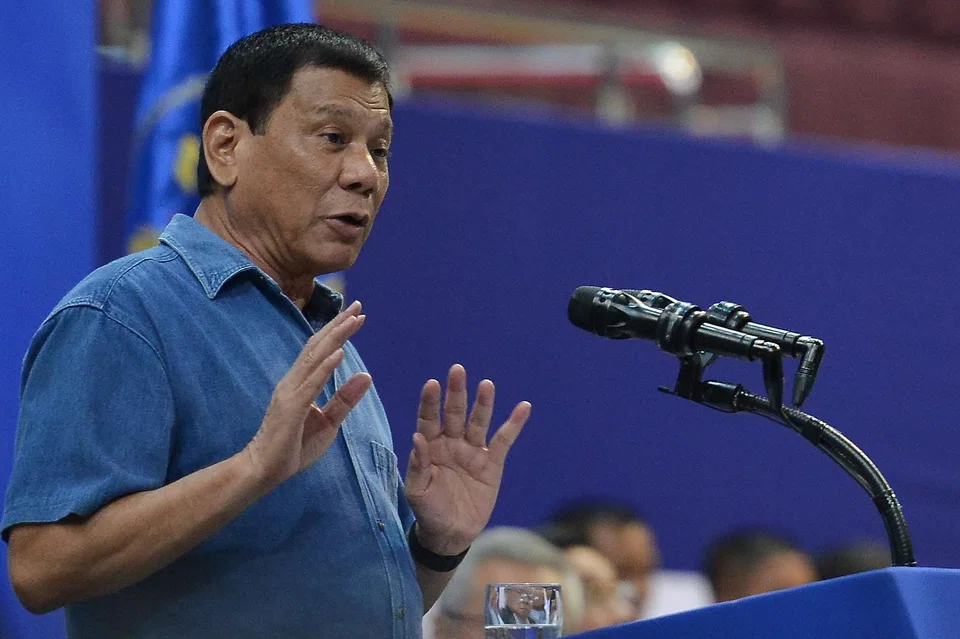
DeeperDive is a beta AI feature. Refer to full articles for the facts.
[SINGAPORE] It's been a rough and tumble ride for Philippines watchers since the tough-talking Rodrigo Duterte was sworn in as the country's president on Jun 30.
In his first three months in office, the former Davao City mayor has made good on his key pledge to declare a war on drugs. According to police data released last week, the fight has claimed the lives of as many as 3,700 suspected drug pushers and users since Jul 1, including 1,573 people who have died in police operations.
Angered by international criticism of alleged extrajudicial killings, Mr Duterte, 71, flashed his middle finger at the European Union and told US President Barack Obama he can "go to hell".
The spat has also driven him to seek a closer relationship with China, raising questions about his commitment to the Philippines's longstanding military alliance with the US.
The negative attention has unsettled overseas investors. Since the end of July, foreigners have withdrawn US$388.36 million from Philippine stocks, while the peso has lost about three per cent against the dollar - among Asia's worst-performing currencies in that time.
Starting Tuesday, Mr Duterte will lead more than 400 business leaders including some of the Philippines's wealthiest tycoons on a four-day visit to Beijing.
Navigate Asia in
a new global order
Get the insights delivered to your inbox.
He's looking for a much-needed boost for infrastructure investment as the first Philippine leader invited to the capital by Chinese President Xi Jinping for one-on-one talks.
BLOOMBERG
Share with us your feedback on BT's products and services
TRENDING NOW

Autobahn Rent A Car directors declared bankrupt over S$50 million each owed to DBS

Higher costs, lower returns: Why are Singaporeans still betting on real estate?

Richard Eu on how core values, customers keep Singapore’s TCM chain Eu Yan Sang relevant
Loyang Valley sold for S$880 million to SingHaiyi-led consortium

