Fed rate hike: will Yellen get it right?
New York
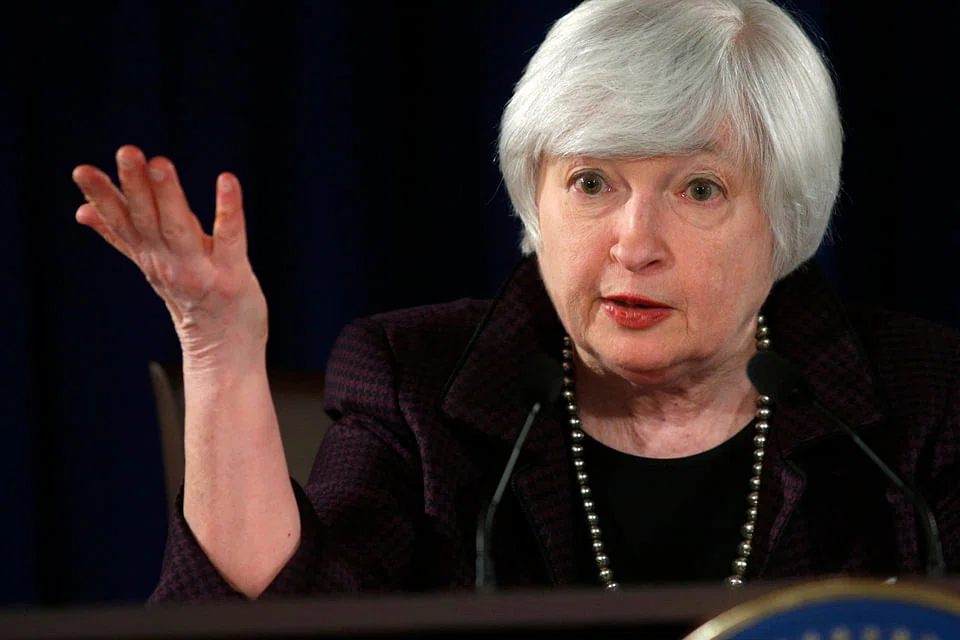
AS the job market gains steam, US Federal Reserve chairwoman Janet Yellen faces a massive challenge to adjust her monetary levers just right: she wants to keep the recovery going without stoking a bubble or spurring inflation. It's a delicate balance that has bedevilled many central bank chiefs in the past.
A dramatic drop in US bond yields over the past year might be just what Ms Yellen needs to strike that balance, according to two International Monetary Fund (IMF) economists.
"Having long-term rates at relatively low levels may actually give the Fed more degrees of freedom," Nigel Chalk and Jarkko Turunen wrote in a blog post last Thursday. That's because low long-term government bond yields would act as a cushion to the Fed raising short-term rates (specifically, by supporting the housing sector).
In other words, Ms Yellen would be able to start tightening without having to worry as much about hobbling the economic recovery.
The economists' point runs counter to some of the prevailing wisdom. The depression of long-term yields was a well-known source of concern for former Fed chairman Alan Greenspan, who called it a "conundrum" in testimony to Congress in 2005.
Many say borrowing costs got too low in the mid-2000s, prompting people and businesses to take on too much debt. That all came crashing down in the form of the 2008 global financial meltdown. Credit is, once again, strikingly cheap. By the end of January, the yield on 10-year US Treasury notes had fallen to the lowest since May 2013 (since the end of last month, the gauge has ticked slightly back up). It's strange because the US economy has regained its status as the main engine of the world economy and analysts expect the Fed to soon start raising rates.
The IMF economists note that the so-called term premium - the extra yield investors demand for holding long-term debt over short-term paper - has actually turned negative.
What's driving this demand for long-term bonds? Messrs Chalk and Turunen offer several explanations. It's possible that low inflation expectations are causing bondholders to require less compensation in the form of higher yields. With major risks ranging from instability in Ukraine to Greece and the Middle East, investors might be running to the safety of US debt. Other reasons could include the recent strength of the US dollar, according to the two economists.
The real risk is what happens when long-term yields head in the other direction - as occurred in 2013, when then-Fed chairman Ben Bernanke mused about ending bond purchases sooner than investors expected. The resulting surge in mortgage rates and capital flight from emerging markets came to be known as the "taper tantrum". "What we should be watching out for is the economic and financial stability fallout that could unfold if US yields snap back upwards in a sudden and unexpected manner," according to the IMF staff members.
Mr Chalk is deputy director of the fund's Western Hemisphere Department, while Mr Turunen is a senior economist in the same unit. They declined a request for further comment. BLOOMBERG