

Historic decision will set political weather in UK, EU
 Add BT as a preferred source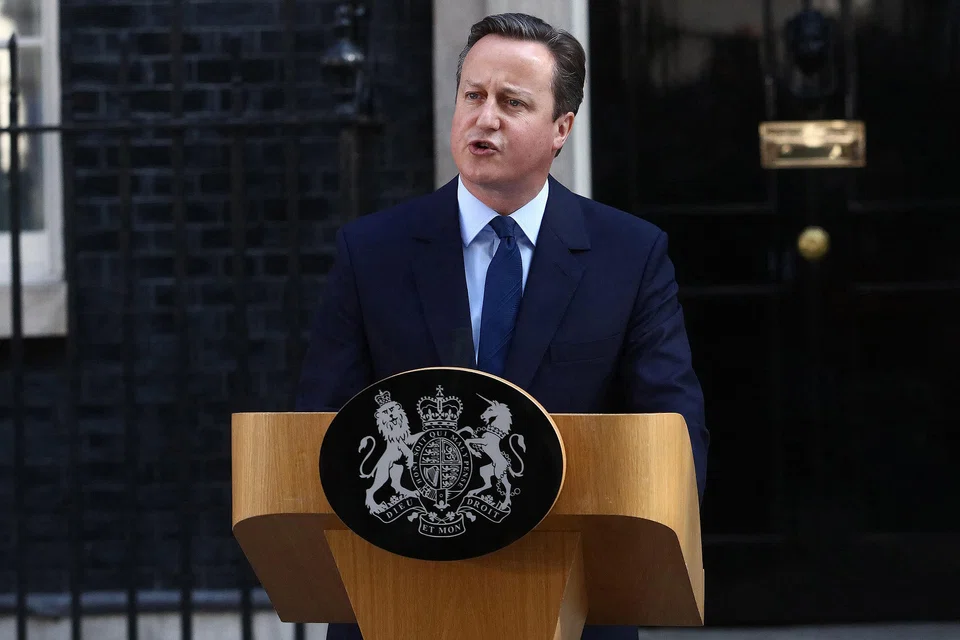
DeeperDive is a beta AI feature. Refer to full articles for the facts.
WITHIN hours of the results of the "Brexit" vote in favour of the "Leave" camp, UK Prime Minister David Cameron offered to resign within three months. Political and economic shockwaves are already rippling out across the globe from the referendum result following a campaign which was among the most divisive ever in modern British politics.
Despite pre-referendum polls this week generally indicating that momentum was with "Remain", the Leave camp won through with around 52 per cent of the vote. The result saw England (London heavily excepted) and Wales voting to Leave, while electorates in Scotland and Northern Ireland voted for Remain.
The vote has rattled financial markets and the UK political establishment, and Mr Cameron's decision to resign - only a year after his landmark general election success last May in winning the first majority Conservative government for over two decades - will only add to the uncertainty. A major reassurance effort is now underway to respond to the political trauma and financial uncertainty with the European Central Bank, Bank of England and other central banks preparing to make potentially further significant interventions to respond to market volatility.
Share with us your feedback on BT's products and services
TRENDING NOW

Autobahn Rent A Car directors declared bankrupt over S$50 million each owed to DBS

Higher costs, lower returns: Why are Singaporeans still betting on real estate?

Richard Eu on how core values, customers keep Singapore’s TCM chain Eu Yan Sang relevant

Loyang Valley sold for S$880 million to SingHaiyi-led consortium

