

Jakarta banking on FDI for economic growth
Minister says: 'We can't just rely on consumers and foreign markets.'
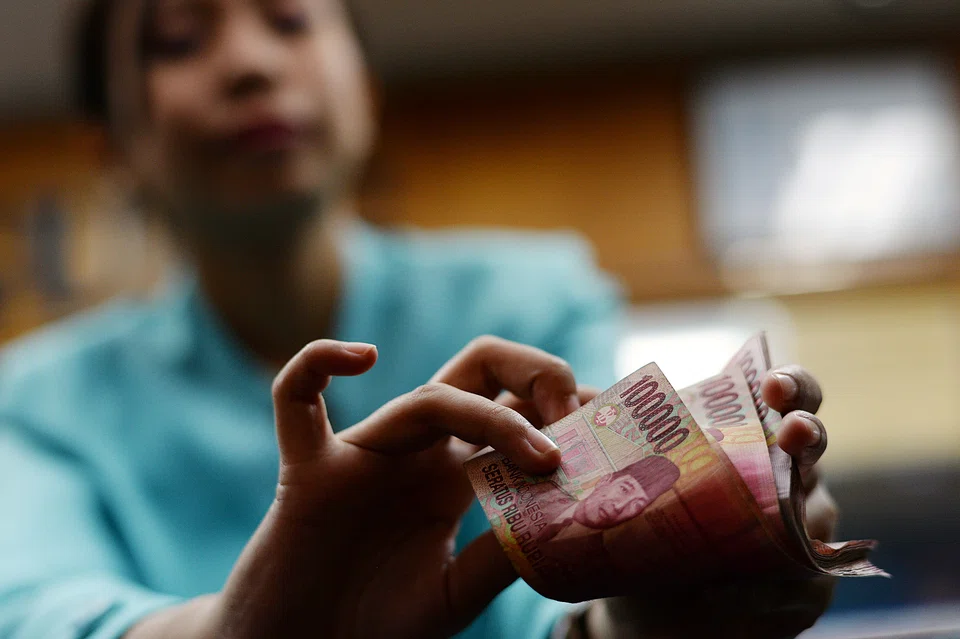
Jakarta
INDONESIA'S government is counting on a surge in foreign direct investment to help cushion the impact of high interest rates at home and sluggish demand for commodities among its biggest overseas markets.
Finance Minister Bambang Brojonegoro told investors on Tuesday that renewed market confidence following efforts to roll back expensive entitlements such as fuel subsidies will draw foreign capital. Massive spending on ports, electricity and social services will help drive growth back up to rates not last seen since the tail end of the commodity boom.
"We can't just rely on consumers and foreign markets," Mr Brojonegoro said. "Investment will drive growth."
A month after taking office, the government of President Joko Widodo is moving fast to woo business. The warmer attitude to private capital marks a welcome change from the regulatory flip-flops and protectionism that coloured the final few years under Susilo Bambang Yudhoyono.
"The fuel price hike was a big step," said Handry Satriago, chief executive of GE's Indonesia business.
Last week, Mr Joko raised the price of subsidised fuel by 30 per cent, saving the government some US$8 billion and putting it not far off petrol sold at market rates. Normally a contentious move, the price hike attracted virtually no protest and was a potent symbol of the government's macro economic credentials.
Even so, the price hike was met with a swift increase in interest rates by 25 basis points to 7.75 per cent, the highest since 2009.
Still, the price hike was keenly anticipated by investors and followed shake-ups in key ministries including energy, finance as well as efforts to reach out to investors during Mr Joko's recent first foray abroad, where he spoke to CEOs at conferences in Beijing and in Myanmar.
At the minerals and energy resources ministry, the new minister, Sudirman Said, has replaced its former director-general oil and gas, Edy Hermantoro, who oversaw a hollowing out of oil production to less than 800,000 barrels a day: less than half its peak in 1991.
The government has unveiled plans to dramatically expand power production, build some 25 new ports, as well as add tens of thousands of kilometres of new rail lines that will help link factories to sea terminals.
"The past three weeks has given us a lot of hope," Mr Satriago said.
In this country where roughly a fifth of the electricity production comes from oil-fired power plants, raising the price of subsidised fuel makes other forms of energy such as geothermal and wind power commercially viable. Electricity supply threatens to be a constraint on growth in a country where an estimated seven million people join the ranks of the consuming class every year.
The government will also roll back subsidies aimed at keeping fertiliser and food artificially below market rates, while redirecting funds to social services infrastructure. Earlier this month, the government said that it would expand by roughly four million, to 90 million, the people who qualify for free health care and education through to Grade 12.
With tariffs for many goods and services expected to fall with the advent of the Asean Economic Community, which is slated to come into force at the end of 2015, Indonesia's calm politics and free press relative to other members will be a strong draw card, said Vice-President Jusuf Kalla.
But while the government has been talking the talk, some investors want to see it walk the walk.
"We've heard the right tune coming from the government and all that," said private equity investor Sudiago Uno, one of Indonesia's richest men. "We need to see the follow through in terms of dollars on the table. It's as simple as that."
TRENDING NOW
China’s premium puffer jacket push meets consumer resistance

JPMorgan, BlackRock among those making bid to manage CPF savings
Indonesia passes long-awaited Bill on recovery of assets linked to graft, crimes

Nvidia’s slump, Anthropic’s listing turn spotlight on Big AI’s need for new governance frameworks

