Rouble slide resumes as govt purchases fail to stem rout
Moscow
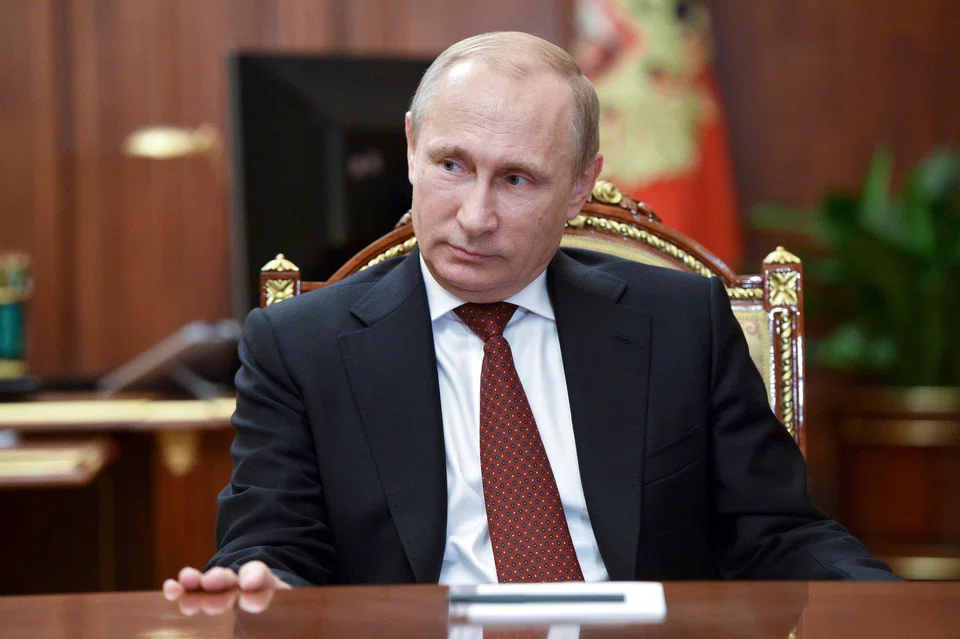
EMERGENCY measures failed for a second time this week to reverse a rout in the rouble, narrowing Russian President Vladimir Putin's options in confronting the country's deepest financial crisis since 1998.
The rouble erased a rally of as much as 8.4 per cent within an hour of the Finance Ministry announcement that it bought the currency, which has lost 52 per cent this year. On Tuesday, the currency plunged following the central bank's increase in interest rates to 17 per cent from 10.5 per cent.
"Certainly, there's a panic in the markets," said Vitaly Isakov, a money manager at Otkritie Asset Management in Moscow. "The Finance Ministry is sending a signal that it sees the rouble as seriously undervalued and that at current levels it makes sense to sell dollars."
Mr Putin is preparing for his annual news conference on Thursday in one of the most difficult moments of his 15-year rule. The economic stability that's at the core of his support is under siege as confidence wanes in the currency and the country careens towards recession. With oil prices collapsing and finger-pointing among officials breaking into the open, the United States is preparing new sanctions over the Ukraine confrontation.
"This is a moment of truth" for Mr Putin, said Masha Lipman, an independent political analyst in Moscow. "It's no longer possible to go on in the same fashion. The economy is tumbling. The time has come for a definitive choice, doing nothing won't solve the problem."
The rouble rose 3 per cent to 65.632 per dollar by 3.24pm in Moscow. Ten-year government bond yields fell 148 basis points to 14.76 per cent. The RTS stock index rose after a nine-day retreat erased almost a third of its market value.
Bets on future price swings for the rouble are the highest in the world after the currency's three-month implied volatility jumped 17 percentage points this month to 45 per cent on Wednesday. The higher interest rate will crush lending to households and businesses and deepen Russia's looming recession, according to Neil Shearing, chief emerging-markets economist at London-based Capital Economics.
Many Russians are shielded from the scope of the crisis even as they convert their roubles to hard currency and foreign companies such as McDonald's Corp raise prices. State-run media outlets steered any criticism away from Mr Putin and portrayed the government as ready to take firm action.
Vladimir Rudenkov from Voronezh, a city about 500km from Moscow, was one of those ignoring the government-media assurances. He transferred a portion of his savings into dollars on Tuesday and said he regretted that he didn't exchange it all.
"The situation is catastrophic," said Mr Rudenkov, a 35-year-old manager. "I don't believe that the rouble collapse is happening only due to the falling oil prices. The government is the one to blame as it didn't defend the national currency." The central bank, which already drained US$10 billion of its foreign currency reserves this month on interventions, will probably need to spend another US$70 billion to stem the slide, according to a survey of economists.
Russia has spent about US$87 billion of these reserves this year in unsuccessful attempts to slow the rouble's slide. In the latest move, the government said currency sales by major exporters will be subject to daily monitoring. Other measures include a temporary moratorium on mark to market accounting, allowing banks to use the third-quarter exchange rate in valuing risk- weighted assets. BLOOMBERG, REUTERS