Surprise drop in China Jan exports
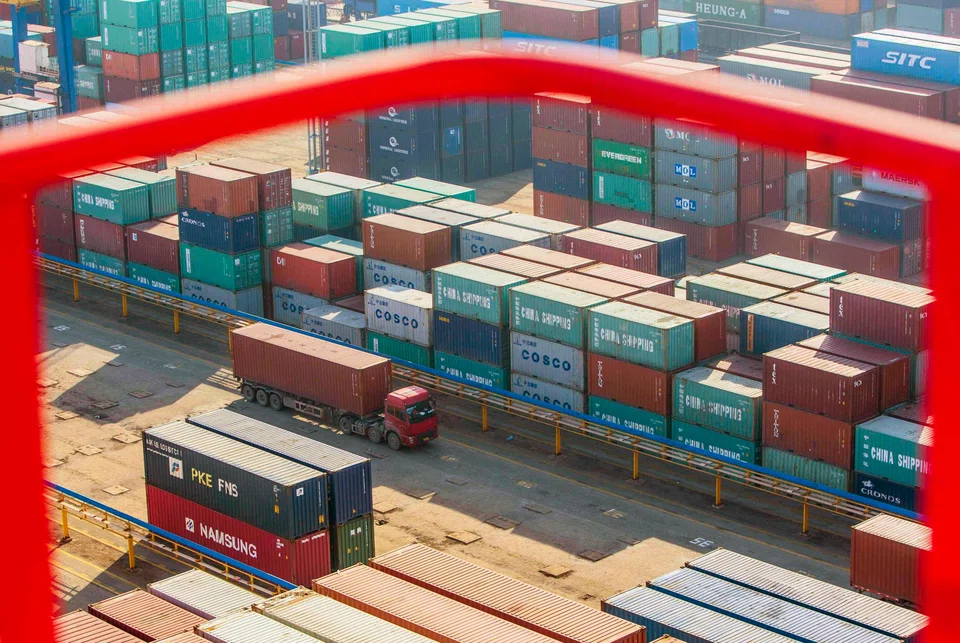
Shanghai
CHINA'S exports fell 3.3 per cent in January from a year earlier, while imports slumped by 19.9 per cent, both missing expectations by a wide margin, and resulting in a record monthly trade surplus of US$60 billion.
Thinking that easing measures in Europe would boost demand for Chinese goods, analysts polled by Reuters had expected exports to rise by 6.3 per cent, and imports to fall by only 3 per cent, to give a trade deficit of US$48.9 billion.
Instead, exports slid 12 per cent on a monthly basis, while imports dove 21.1 per cent, according to the data released by the Customs Administration on Sunday.
The decline was led by a sharp slide in commodities imports, in particular imports of coal which dropped nearly 40 per cent to 16.78 million tonnes, down from December's 27.22 million tonnes, as well as a scale-back in crude oil imports, which slid 7.9 per cent.
While the trade data augured badly for an economy that suffered its slowest economic growth in 24 years in 2014, analysts say strong seasonal distortions due to the Chinese New Year holiday make it difficult to interpret the data. Last year the holiday fell in January, and this year it falls in February.
China's export numbers tend to be erratic, sharp moves in opposite directions are common and the combined January and February figures are often a more accurate gauge of the overall trend, analysts say.
Officials have said that while they expect Chinese exports to improve, the sector would continue to face headwinds in 2015.
The government is expected to lower its gross domestic product target to around 7 per cent this year, after posting 7.4 per cent in 2014.
Policymakers have responded to the weakness by cutting interest rates and, on Wednesday, cutting the amount of reserves banks must hold back when lending, but the measures were largely seen as holding the line, with most economists calling for more easing in the pipeline to reinvigorate growth.
China's yuan fell 2.5 per cent in 2014 and has lost another 0.6 per cent so far in 2015, providing some relief to exporters after four years of uninterrupted appreciation.
During 2014, China's total trade value increased by 3.4 per cent from a year earlier, short of the official target of 7.5 per cent, and some analysts have raised questions about whether export data was inflated by fake invoicing as firms speculated in the currency and commodities markets. REUTERS