Sustaining growth, boosting resilience and innovation on agenda at upcoming meet
Finance Minister Heng also highlights roundtable to discuss Asean infrastructure funding gap
Singapore
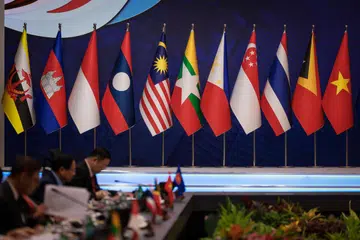
ASEAN Finance Ministers will be looking at how to sustain growth, boost resilience and foster innovation when they meet next week in Singapore.
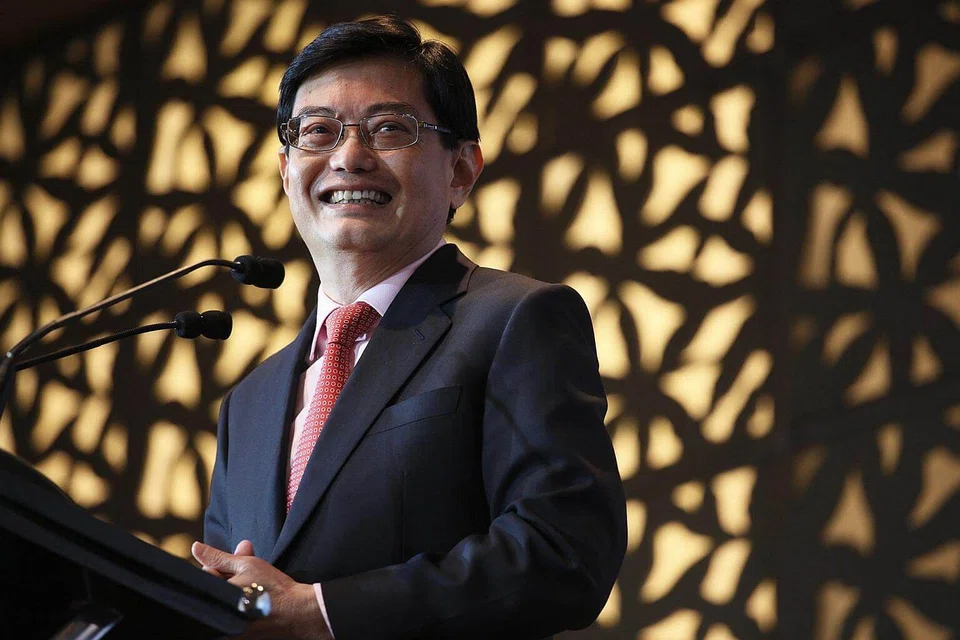
At a media briefing ahead of next week's 4th Asean Finance Ministers and Central Bank Governors' meeting, Finance Minister Heng Swee Keat laid out what needs to be done by Asean countries over the next 50 years to continue the remarkable progress the region has made since its founding in 1967. Singapore is the Asean chair this year.
Its overall chairmanship theme for Asean this year is a "Resilient and Innovative" Asean.
Asean's progress over the pass 50 years has been remarkable, its members collectively form the sixth-largest economy in the world, and the World Economic Forum believes that it can be the 4th-largest by 2050, Mr Heng said, adding that with Asean's rapid urbanisation, infrastructure development is a key priority for the region.
"This better infrastructure will improve business and people-to-people contacts, increase efficiencies, and improve quality of lives."
But the financing gap for infrastructure is substantial.
The Asian Development Bank estimates that Asean's infrastructure needs are estimated at US$2.8 trillion between 2016 and 2030, or about US$184 billion per year. And the climate-adjusted estimates are even higher, at US$3.1 trillion or US$210 billion annually.
It is not possible for governments to fund these needs alone and ministers have to look at better mobilisation of private capital, he said.
"We need to create greater awareness of infrastructure projects within Asean, as well as to better understand the potential investors' needs."
Singapore will host the 8th World Bank-Singapore Infrastructure Finance Summit on April 5, where Asean finance ministers will participate in a roundtable discussion with potential investors to promote greater capital participation in the infrastructure projects.
Later in the year, Singapore will also organise the annual Asia-Singapore Infrastructure Roundtable, Mr Heng said.
One interesting trend is that global investors are increasingly factoring sustainability considerations in their investment processes, he said. "To tap this, we will need to find ways to enhance sustainable and green financing within Asean.
"We will build on the Asean Green Bond Standards that was launched last year to encourage more green bond issuances within Asean as well as other sustainable finance instruments."
On boosting resilience against unexpected events or deliberate attacks, there are a number of areas that we are looking at, he said.
Several Asean member states remain highly exposed to natural disasters.
Yet, disaster financing in Asean has not kept pace with economic growth, resulting in a widening protection gap, he said.
"We will focus on enhancing disaster resilience, and support initiatives which enhance Asean's ability to cope with and recover from such shocks," he said.
This includes improving the availability of data on Asean's economic exposure to natural catastrophe risks so as to facilitate ex-ante risk management, and strengthening capacity building in disaster risk financing and risk transfer policies and strategies within Asean.
Another emerging risk is cybersecurity, he said.
There is room for Asean regulators to enhance collaboration and build capacity to increase cyber-resilience in the financial sector, he said.
As for fostering innovation, ministers will support digital innovations like Fintech, which can promote financial inclusion for underserved and unbanked segments of society.
There is strong potential in pioneering regional linkages for faster payment systems to boost Asean's economic integration and e-commerce, he said. Singapore and Thailand are already studying the link up of each other's real-time retail payment systems.
"We will share our experience and hope that this will allow other members which are ready and keen, to build a network of payment linkages within and across Asean," Mr Heng said.