Weak growth, trade holding back global capital spending
FDI inflows in 2016 were especially hard hit in developing economies, but likely to see rise this year: UN report
Singapore
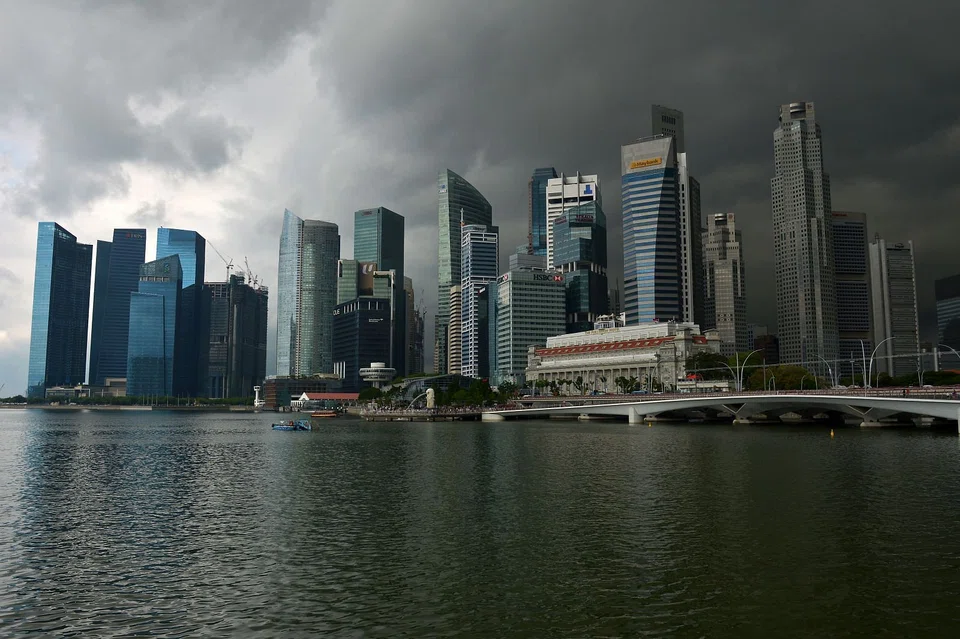
WEAK economic growth and trade trimmed foreign capital spending on new and existing factories and offices last year, but the cut was deeper for Singapore.
While foreign direct investments (FDI) worldwide are tipped to pick up this year as trade and economic growth resumes, the United Nations Conference on Trade and Development (UNCTAD) says the rise will be a modest 5 per cent, raising FDI to US$1.8 trillion - still below the 2007 peak.
Developing economies are likely to see a 10 per cent jump in FDI inflows this year, but are yet to return to 2015 levels, while flows to developed economies are expected to hold steady, according to UNCTAD. FDI inflows to developing Asia are projected to rise 15 per cent to US$515 billion.
"In major recipients such as China, India and Indonesia, renewed policy efforts to attract FDI could contribute to an increase of inflows in 2017," it says in its World Investment Report 2017.
Global FDI flows slipped 2 per cent from a year ago to US$1.75 trillion in 2016, according to the report. Foreign investments in Singapore fell 13 per cent to US$61.59 billion - the second decline in two straight years. FDI inflows dropped from US$73.99 billion in 2014 to US$70.58 billion in 2015.
Direct investments flowing out of Singapore also tumbled two years in a row - from US$52.22 billion in 2014 to US$31.41 billion in 2015 and US$23.89 billion last year, UNCTAD data show.
Though foreign acquisition of or merger with local businesses were above pre-crisis 2005-07 levels, it wasn't the case for FDI in greenfield projects in Singapore, which fell to US$8.45 billion in 2015 (latest figure available) - below the 2005-07 average of US$13.88 billion.
Developing economies
The report says FDI inflows in 2016 were especially hard hit in developing economies, as capital outlay there fell 14 per cent to US$646 billion. FDI inflows in developing Asia shrank 15 per cent to US$433 billion.
"This first decline in five years was relatively widespread, with double-digit drops in most sub-regions except South Asia," the report says.
It adds that in absolute terms, Hong Kong accounted for the bulk of the decline in flows to developing Asia last year, but FDI inflows in Indonesia, Mongolia, Singapore, Thailand and Turkey also fell sharply.
"In South-east Asia, declining flows to Indonesia, Singapore and Thailand weighed on aggregate FDI inflows, whereas low-income economies continued to perform well."
Indonesia and Thailand saw FDI inflows plunging in 2016, due to sluggish cross-border M&A sales and significant divestments by foreign multinational corporations.
Indonesia's FDI inflows tumbled from US$16.64 billion in 2015 to US$2.66 billion in 2016, while Thailand's FDI inflows dived from US$5.7 billion to US$1.56 billion over the two years.
"In Indonesia, large negative equity inflows in the fourth quarter dragged total FDI inflows to US$3 billion," the report says.
FDI inflows in developing East Asia alone sank 18 per cent last year to US$260 billion, with Hong Kong seeing investments flowing in dropping from US$174 billion in 2015 to US$108.1 billion - the biggest drop (minus 38 per cent) in the region.
FDI inflows in China dipped 1.4 per cent to US$133.7 billion in 2016.
With a smaller inflow of foreign investments, Singapore slipped one place to 6th in the global ranking for top FDI inflows by host economies in 2016.
Biggest draws
The United States is still the biggest draw for MNCs, which pumped US$391 billion in FDI in its economy last year.
The United Kingdom is the next biggest with US$254 billion in FDI inflow, having jumped from 14th in the rankings in 2015 to second position. China (US$134 billion) edged up from 4th to 3rd in the rankings despite a drop in FDI inflow.
In the global tally for FDI outflows, Singapore ranked 15th in 2016 with US$23.88 billion invested overseas, slipping from 13th position in 2015 when it posted US$31.41 billion.
The report says Indonesia and Singapore dragged the FDI outflows in South-east Asia down 36 per cent to US$35 billion last year.
"Outflows from Singapore, the leading outward investing economy in Asean, fell by 24 per cent as the regional investment hub was affected by uncertainty in the global economy," it says. "FDI flow from Indonesia turned negative, at minus US$12 billion, owing to equity divestments."
The US remains the top outward investor last year, having invested US$299 billion abroad. China is runner-up with outward investments of US$183 billion.