World Bank sees more currency risk in S-E Asia
Manila
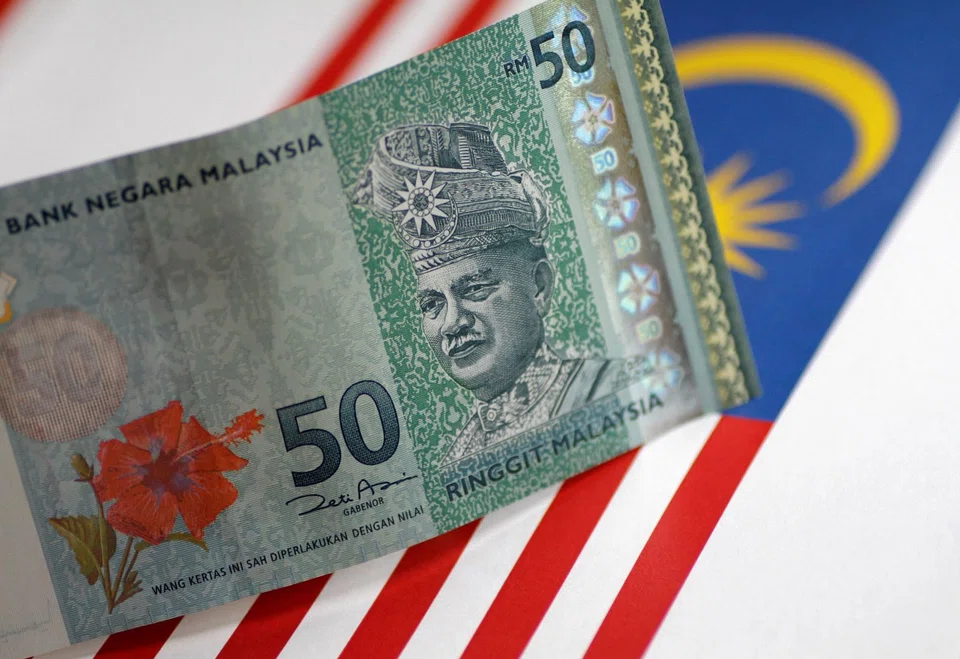
MALAYSIA, and to a lesser degree Indonesia, Thailand and the Philippines, remain more exposed to exchange rate risk than other developing economies in East Asia and the Pacific as global financial conditions tighten, the World Bank said.
Companies and banks in these countries have sizable external debt, although foreign exchange reserves currently appear adequate, the Washington-based multilateral lender said in a report on Wednesday.
Monetary authorities need to be prepared to tighten their policy stance if capital outflows prompt currency weakness, according to the report. In the case of depreciation pressures in China, authorities should allow greater adjustment through relative prices and closely monitor financial sector vulnerabilities as monetary policy further tightens.
Growth in the region will continue to benefit from an improving global environment and strong domestic demand, the World Bank said, raising its forecasts for China, Malaysia and Thailand for 2017 and 2018, compared with estimates published in April. China is seen expanding 6.7 per cent this year and 6.4 per cent next year.
Most Asian currencies have surged against the dollar this year as stronger growth prospects lured inflows.
Some of the growth risks highlighted by the World Bank include budget deficits, which remain high or are expected to rise in most countries over 2017 to 2019; uncertainty about economic policies in some advanced economies; and the escalation of geopolitical tensions.
"What policy makers need to do is not be lulled by the fact that it's been a good period for the global economy," Sudhir Shetty, chief economist for the World Bank's East Asia and Pacific region, said in an interview with Bloomberg TV.
Officials need to look for ways to mitigate some of the vulnerabilities that have built up even as the region is generally well-prepared, he said. BLOOMBERG