

What makes an effective board?
Key elements include diversity and active engagement, say five chairmen whose firms won Best Managed Board awards.

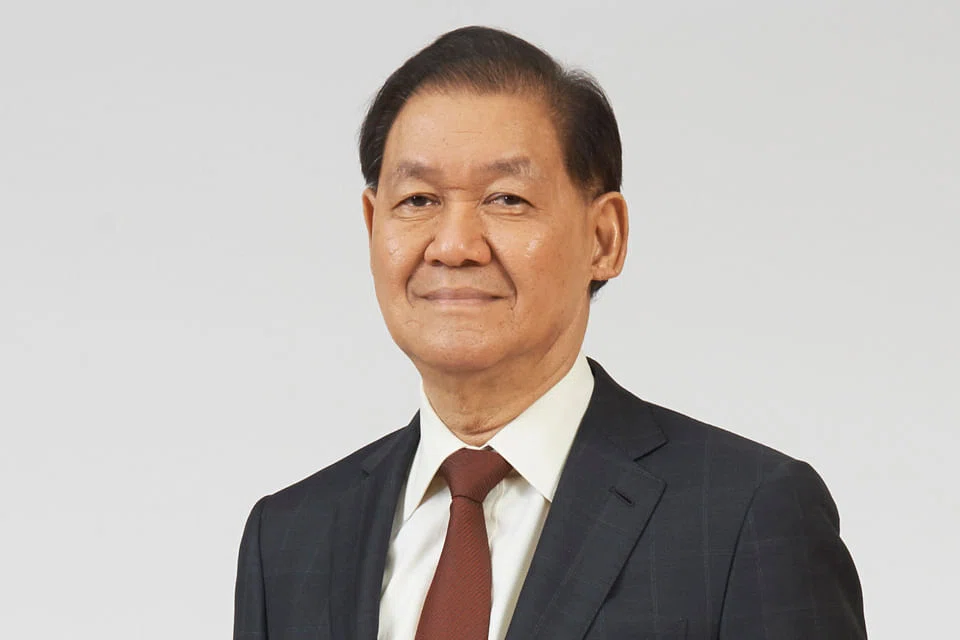
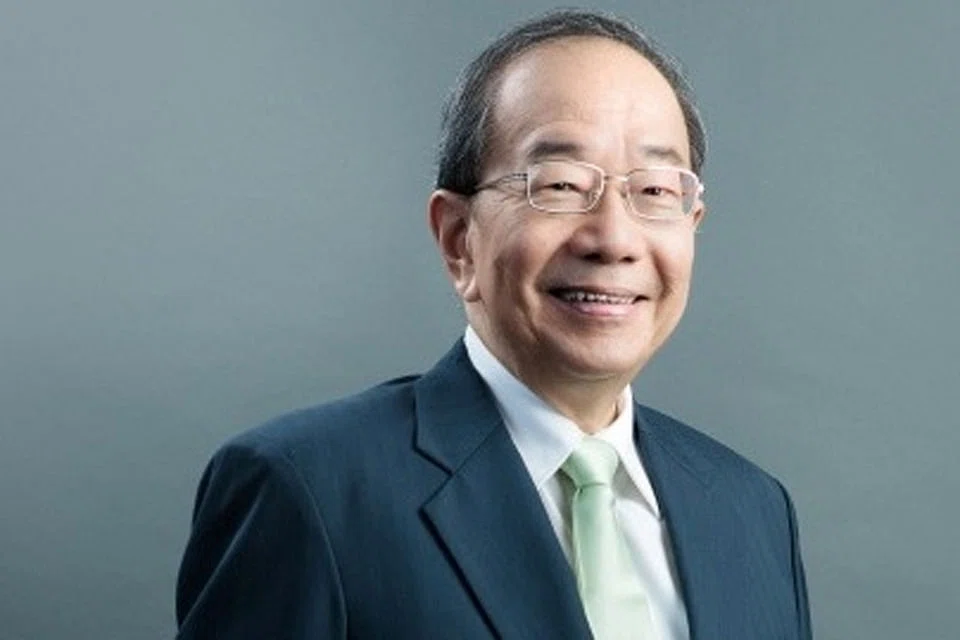
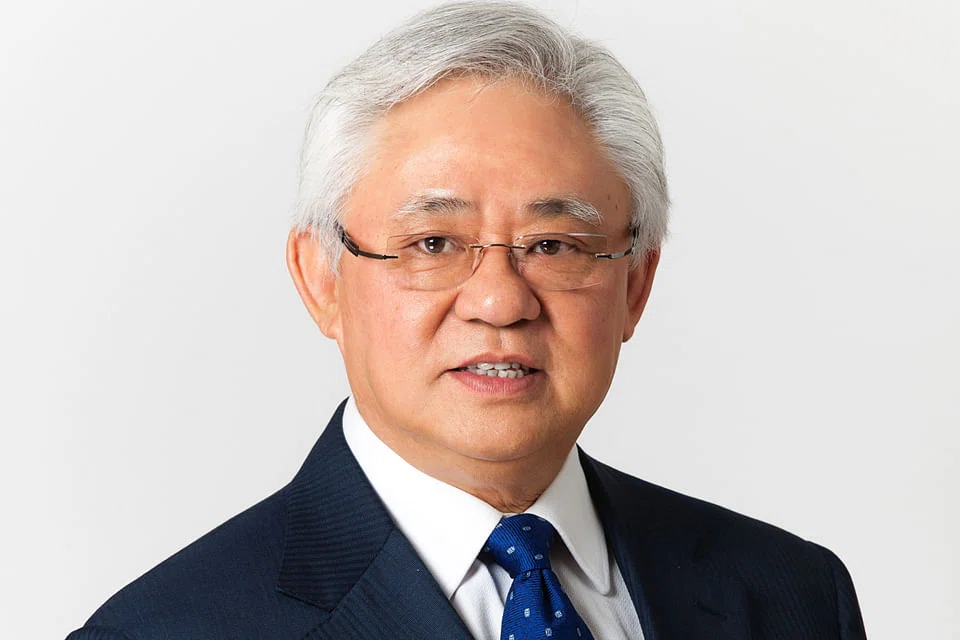

ROUNDTABLE PARTICIPANTS
Question: What are the signs of a well-run board?
Dr Lee: An effective board begins with directors who bring diversity in experience and capabilities to focus and refine the company's business strategy.
Directors should speak up and engage in rigorous debate on agenda issues and assessment of options before key decisions are taken. There must be a spirit of collective responsibility as well as opportunities for airing objective and relevant views including dissenting voices. The insights, robustness and clarity of such debates will determine the quality of the outcome and the board's contribution to the company's resilience, growth and performance.
An effective board also needs to have clear understanding of its roles and responsibilities so as to forge a strong collaboration with the CEO and his team. The board must be able to work closely with management without intruding on management's functions. It is important for the board not to micro-manage the company but to focus on governance issues, strategies and mega-trends.
An effective board should set up board committees with well-defined terms of reference. Board committees should work closely with management on governance matters such as audit, risk management, succession planning and remuneration for key executives. Board committees should report regularly to the board to establish a good feedback loop in all areas of governance.
Mr Gapud: As duly elected representatives of the shareholders, the principal responsibility of the board members is to protect the interest and enhance the value of the company's shareholders. We emphasise value enhancement as the higher priority which means that the board should guide and engage management actively. However, this does not mean that the board should neglect protection of shareholder interests. This is a major part of the audit committee's engagement.
Mr Tan: An important criterion is whether the board is effective and functions well. From my experience, this is achieved when directors participate constructively in the deliberations of the board and always act in the best interest of the company.
A well-run board has to work closely with management. There needs to be a healthy respect for each other, aided by a system of open communication with a timely flow of information. Other elements that make up a well-run board include a well-composed board. This provides for diversity of thought, experience, gender and culture.
Needless to say, conscientious and committed directors make a difference. These qualities lead to something as simple as good attendance and contribute tremendously to the effectiveness of board meetings.
Mr Pun: A key cornerstone of good corporate governance is transparency, strong communication amongst the board members as well as between board members and the management team, and a clear definition of the board's duty and obligations.
This leads to other key elements of a well-run board: accountability, credibility and equitability. Disclosing clear, accurate and sufficient information regarding the governance of the company, in a timely manner, ensures that those affected not only know the basic facts and figures but also understand the process. Good corporate governance that incorporates transparency brings significant benefits: a stronger standing with governments, increased stakeholders' confidence and trust, all key to sustainable growth, especially in a frontier market like Myanmar.
Ms Menon: The external signs would be the simple things like the regularity of meetings and attendances. Board papers being given in good time, members coming prepared so that there is a good quality of debate and meetings are productive. Proper minutes being kept and follow-through on matters arising. A clear and appropriate agenda for each meeting is essential.
Board meetings should not be directionless discussions about operational and management issues but should be about strategic and policy matters.
It is also helpful to a board that there is access to external advisors when appropriate. An investor could perhaps detect a poorly run board from a disconnect between the strategy being articulated and what is actually being done or if strategy is frequently shifting or poorly articulated.
Q: What are your board's best practices?
Dr Lee: We operate on the principle that good corporate governance is essential for enhancing shareholder value and achieving sustainable growth for the Group. An important aspect of good governance is to have an effective, strong and independent board which actively engages the management on strategy and major business decisions.
There are currently 10 directors on our board, comprising eight independent directors, one non-executive and non-independent director and one executive director. The Keppel board is assisted by board committees formed to focus on key matters such as internal audit, risk management, board composition, remuneration and safety. Each committee has clearly defined terms of reference and committee members are actively engaged in the guidance and oversight of management. We ensure that the management provides the board with accurate, complete and timely information about the company to enable directors to discharge their fiduciary duties effectively.
Board evaluation is another important element in ensuring board effectiveness. Our board has put in place formal evaluation processes and performance criteria, and has appointed an independent third party to conduct the annual assessment of the board's performance.
In addition, our directors are provided with continuing education in areas related to their duties and responsibilities. They regularly conduct site visits to our facilities to familiarise themselves with the business operations and to meet with the managers responsible for managing such facilities.
Mr Gapud: Our best practices revolve around the enhancement of shareholder values. The board works closely with management in establishing its strategies and operating goals and periodically monitors management's performance. The board emphasises prudent growth of the company's earnings and the implementation of the company's vision and mission statement.
Mr Tan: The guiding principles of corporate governance for StarHub are transparency, accountability and integrity. We continually take active steps to align the company's practices with the Corporate Governance Code. We have a formal and transparent board renewal process (which includes retirement by rotation every three years).
We have a board with a number of foreign- based directors, which encourages global thinking relevant to StarHub. It is also noteworthy that we have a past CEO on the board who plays an invaluable role as a mentor and sounding board and who has in-depth insights on the business.
The chairman and CEO of StarHub are separate persons, with the CEO responsible for the day-to-day running of the group's business operations and implementation of the group's strategies and policies.
We utilise technology to enhance board performance and corporate governance. We use a bespoke online board portal (accessible via a tablet) to disseminate information on a timely and secured basis so that the board always has access to relevant information anytime, anywhere.
Mr Pun: We adopt corporate governance practices in line with the spirit of the 2012 Code and we also observe obligations of continuing disclosure under the SGX listing rules. The company undertakes to circulate timely, adequate and non-selective disclosure of information. The board has also issued quarterly financial statements reviewed by our audit, risk management and internal controls committees to provide shareholders with comprehensive information and a balanced view of the group's performance, position and prospects.
Ms Menon: We abide by the recommendations in the prevailing Code of Corporate Governance unless there is good reason for us not to. The Code has been revised over the years and where possible, if a revised recommendation can be implemented, we do so even before such provision becomes applicable to us.
Q: How important is gender diversity on a board, and why?
Dr Lee: For our board, we seek to achieve appropriate balance and diversity of skills, experience, gender and knowledge as well as core competencies required. Regardless of gender, we want the best and most qualified director for the Keppel board. Only then will each director be able to fully discharge his or her responsibility and contribute to the overall board's effectiveness. Currently, we have two female directors on our board.
Mr Tan: Not only do we support diversity of thought, expertise, experience and culture on our board, but gender diversity too.
As part of our efforts in strengthening board diversity, Ms Rachel Eng, a veteran corporate lawyer, joined us as an independent non-executive director in May this year. Ms Eng is not the first lady to join the board. Our founding chairman was Madam Ho Ching (CEO of Temasek Holdings). Ms Low Sin Leng (former executive chairman of SembCorp Development) used to serve on StarHub's board too.
Mr Pun: Stakeholders are more interested in board diversity than ever, not just gender diversity. Numerous reports have shown that diverse companies financially outperform their less diverse counterparts because diversity leads to more robust decision-making. We believe that gender diversity, with each individual chosen on merit, is important and diverse perspectives can add great value to the organisation.
Ms Menon: When Micro-Mechanics listed in 2003 and for some years after, two out of the six board members - that is, one-third of the board - were women, one of whom was me. Then for several years there was only myself.
With the recent appointment of our audit chairwoman, Chin Yee, there are presently two women, again one-third on our board. I have to say that in looking for board candidates from time to time over the years, we did not set out to choose a woman in order to achieve diversity but cast our net as widely as possible to find the best candidate with the best fit. If you do this you are bound to consider and appoint women. Singapore boards do not rank well in terms of gender diversity which seems strange to me given the obvious availability of hugely talented and capable women. I have begun to lean in favour of mandating gender diversity.
Q: What do you think is the ideal proportion of independent directors on a board?
Dr Lee: There is no one-size-fits-all in this respect. The optimal size for a board should take into consideration the nature, scope and complexities of a company's operations. The size of the board should facilitate and not impede speedy and effective decision-making.
We have two non-independent and eight independent directors. Our experience has been excellent and everyone is able to be fully engaged in board discussions without meetings turning into marathon sessions.
Mr Gapud: We believe that the majority of the board should comprise of independent directors. This is particularly important for us since we have a single shareholder who has over 51 per cent of the company. It is essential, especially for a public company, that minority shareholders are heard and protected.
Mr Tan: It is important to have a strong independent element on the board, but there is no magic figure. At StarHub, our independent directors represent more than one-third of the board. The key consideration for StarHub in ascertaining the effectiveness of a director's independence is his or her ability to exercise independence of mind and judgement in order to act honestly and in the best interest of StarHub.
Mr Pun: Independent directors comprise more than half of the board. We also adopt a more stringent test of what constitutes an independent director by using the reference to substantial shareholders as opposed to 10 per cent shareholders in the definition of independence. The 2012 Code defines an "independent director" as one who has no relationship with the company, its related companies, its 10 per cent shareholders or its officers that could interfere, or be reasonably perceived to interfere, with the exercise of the director's independent business judgment with a view to the best interests of the company.
Ms Menon: The Code prescribes for at least half the board to be independent. I would think this is right for smaller cap companies with smaller boards. Perhaps up to two-thirds for larger boards.
Q: What challenges do you see in your industry and what role can the board play in overcoming them?
Dr Lee: Keppel, like many other companies, continues to face challenges as markets evolve. A good board with a diversity in experience and relevant capabilities from committed directors can certainly provide clarity and guidance to chart the company strategy and help Keppel navigate the changes in business environment across 30 countries worldwide.
Our directors are kept well informed of the company's businesses and affairs. We have institutionalised a process of refreshing the board progressively so that the experience of longer serving directors can be drawn upon while tapping into the new perspectives and insights of more recent appointees to strengthen the board's decisions.
At Keppel, all newly appointed directors undergo a comprehensive orientation programme which includes site visits and management presentations on the group's businesses, strategic plans and objectives.
Directors are also provided with continuing education in areas such as directors' duties and responsibilities, corporate governance, changes in the Companies Act, continuing listing obligations and industry-related matters, so as to update and refresh them on matters that may affect or enhance their performance as board or board committee members. A training programme is also in place for directors in areas such as accounting, finance, risk governance and management.
Mr Tan: The info-communications industry is constantly evolving and fast-paced with changing customer preferences, competitive trends, technological developments and heightened focus on existing and new regulations. So we need to be constantly agile. Securing continual growth in a saturated and competitive market is another challenge.
In facing these challenges, the board needs to be more engaged. Hence, we have formed board committees comprising members with relevant experience and expertise, for better focus and agility. A close knowledge of the staff's strengths and weaknesses aids in the preparation for executive succession.
Mr Pun: Our operations and business are in Myanmar and the country is going through a remarkable transition period with the opening of the Myanmar market to international investors. As the country evolves and adapts to the rules and practices of developed economies for greater international accountability, a certain element of risk still exists. Our board ensures that the company has a robust risk management framework and holds itself to higher standards of corporate governance so as to give assurance to our shareholders and international business partners.
Ms Menon: The requirements of customers are changing at a rapid pace and there are continuous cost pressures. Another huge challenge is getting and retaining talent.
To meet these ever present challenges, the board supports or requires the exploration of non-labour intensive, nimble and versatile manufacturing processes such as our 24-hour machining capability, a relentlessly tight rein on costs, flexibility in remuneration with incentives tied to productivity and resilience in its balance sheet. The latter, for example, allowed us to emerge strongly from the last recession or crisis.
Q: Is the role of a board evolving, and if so, how?
Mr Tan: For StarHub, as the business grows and becomes more complex, we continually keep ourselves up to speed with the latest technological advances, and chart the company's sustainability and future growth.
Increasingly, both investors and consumers are placing greater importance on corporate governance and transparency. Accordingly, the board has placed greater emphasis on corporate compliance. There is also a growing emphasis on corporate social responsibility and sustainability.
Mr Pun: Today's boards are evolving to take a more active role as opposed to a passive, compliance-orientated one. Our board provides invaluable inputs to management based on their collective expertise and experience, assesses the management of risk, as well as examines the robustness of management's strategy. As a result, the board needs to ensure that it has all the necessary competencies among its members in order to do this.
Ms Menon: Boards now spend or should spend a great deal more time on strategy and long-term planning as well as risk assessment, management and contingency planning. In an increasingly complex world, boards can often benefit from external expertise. Increasingly boards must and are requiring of management strategic planning and thinking, and are rigorously examining the basis and assumptions of such plans.
The way in which business is being done is evolving. For example, one of our board members noted at a very recent meeting that while the company must continue to strive to be a provider of great products made perfectly and as fast as possible, it should also be marketing itself as a provider of great solutions to its customers. This requires different mindsets and skills at all levels of the company.
TRENDING NOW

Could stablecoins be the future of money?

Philippine power giant First Gen rebuffs foreign offers, plans up to US$2.6 billion in expansion

GIC-backed Bank Jago sees wealth management as next growth engine as Indonesian investor base grows
The middle power moment arrives in South-east Asia – but not for Asean

