Aluminium traders brace for turmoil as Iran crisis chokes supply
Manufacturers in Europe, Asia and the US face shortages in spot supply if Middle East smelters are overcome by the disruptions
 Add BT as a preferred source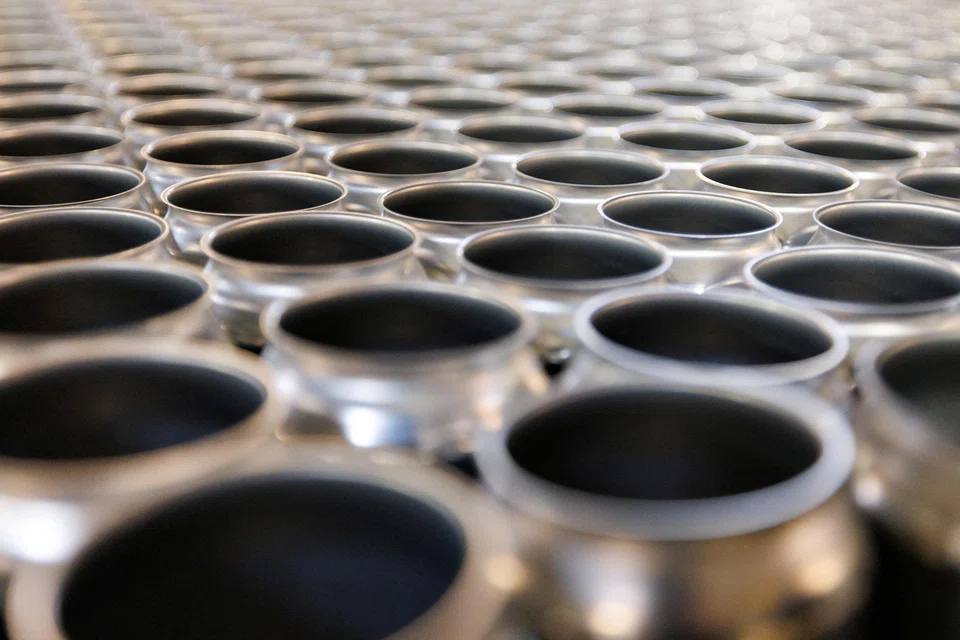
DeeperDive is a beta AI feature. Refer to full articles for the facts.
[LONDON] The Iran war is sending shockwaves through the global aluminium industry.
Manufacturers are facing a spike in prices and traders expect widespread suspensions of supply contracts, unless flows through the Strait of Hormuz resume quickly.
Aluminium is the most ubiquitous industrial metal after steel, but in recent years the market has been periodically rocked by supply shocks.
They have exposed fragilities in the complex network of bauxite mines, alumina refineries and aluminium smelters that supply to manufacturers around the world – often in highly specialised forms that cannot readily be replaced.
Ewa Manthey, commodities strategist at ING Groep, said: “While smelters typically hold around three to four weeks of alumina inventories – allowing them to absorb short disruptions – prolonged constraints would quickly translate into production risk. That would tighten global supply meaningfully.”
For aluminium traders, the effective halt on shipments on Tuesday (Mar 3) has already sparked turmoil, and each day of delays causes further complications in consumer markets.
Navigate Asia in
a new global order
Get the insights delivered to your inbox.
The metal is widely used for a range of products – from auto parts and appliances, to beverage cans and window frames – and it is prized by manufacturers for its abundance and low cost, relative to competing materials like copper.
But even short disruptions can cause commercial havoc for factories who tend to buy it on a just-in-time basis.
While US President Donald Trump said on Tuesday that the US Navy will escort oil tankers and other commercial vessels through Hormuz, traders are sceptical that the flows through the critical passageway will quickly return to normal.
The conflict has exposed another severe choke point in the supply chain that could spark chaos across the industry, with manufacturers in Europe, Asia and the US facing shortages in spot supply if Middle East smelters are overcome by disruptions to shipments of outbound metal and incoming raw materials.
Qatar’s state-owned producer has already cut output, while the United Arab Emirates’ (UAE) top supplier is seeking to draw down stocks from outside the region to avoid disruptions to customers.
Traders are pulling inventories from exchange warehouses in Asia. Some say – while speaking privately – that they are expecting formal suspensions of supply contracts from multiple producers in the Gulf region within days.
Prices have rallied too.
Even though Monday’s 3.5 per cent jump on the London Metal Exchange (LME) pales in comparison to the spikes in oil and petrol prices, a growing chorus of investors and analysts are warning that aluminium could be one of the commodities most exposed to the Iran conflict outside of energy.
With a slew of slower-burning supply challenges already supporting prices – including a regulatory cap on Chinese output, and smelter outages that are impacting western markets – many traders and investors are betting on much bigger gains for an indispensable metal that is shaking off a long history of oversupply.
Abundant energy
Gulf states such as Dubai and Bahrain built their first aluminium smelters in the 1970s, against the backdrop of that decade’s twin oil-supply shocks.
The industry has since flourished in the Middle East, where abundant energy supply provides a cost advantage in the power-intensive process of turning alumina to aluminium.
While China dominates production in the 70-million-tonne aluminium market, Middle Eastern smelters supply about 18 per cent of the needs of buyers in other global markets, consultancy group Wood Mackenzie said.
Even before the Iran war, it expected the market would face a 200,000-tonne supply deficit in 2026. It now warns that shipping delays and production curtailments could heap further pressure on buyers, unless a swift resolution to the conflict is found.
“You have over seven million tonnes all together in the Middle East, which is massive,” said Josko Kandido, the managing director of industry consultancy Venarion Commodities. “Most of them would be impacted by a potential closure of the Strait of Hormuz closure.”
The burgeoning threat to regional supplies is being steadily baked into aluminium prices, which are trading near the highest since 2022 on the LME.
But the signs of stress are already much more pronounced in end-user markets in Europe, the US and Asia – where manufacturers and traders are paying increasingly steep premiums to source alternative spot supplies.
Premiums for metal in Europe – the biggest market for Middle Eastern aluminium – surged above US$400 on Tuesday, and traders and analysts expect further gains to come.
“Inventory levels in Europe were already low before the incident,” said Uday Patel, the senior research manager for aluminium at Wood Mackenzie. “Disruptions in Hormuz could send physical premiums into the US$400s and even US$500s within weeks if the conflict cannot be resolved.”
As the war spread in the region on Monday and Tuesday, traders and investors scrambled to game out the short and long-term implications for the market.
Data from the LME showed a surge in orders to withdraw aluminium from its global warehousing network as European trading got underway on Tuesday.
Traders said that they expect to see further requests for metal in the coming days, as buyers seek out alternative supplies.
Also within the next few days, logistical constraints could force some producers to declare force majeure under commercial contracts, which will entitle them to suspend deliveries due to factors outside their control, said three traders under supply contracts with Middle Eastern producers.
Within weeks, smelters will likely need to start curtailing output due to the constraints on raw material supplies, delivering a deeper and more structural hit to supply.
Smelters and refineries in the region consume about 13 million tonnes of alumina a year, with over two-thirds of imports coming in through Hormuz, said Anthony Everiss, an analyst at price-reporting agency CRU.
The market got an early taste of the longer-term risks to supply on Tuesday, as Qatar’s state-owned energy producer said that it was halting aluminium production due to shortages of natural gas in the domestic market.
Norsk Hydro, a joint venture partner in Qatar’s Qatalum aluminium smelter, said afterwards that it had declared force majeure to customers, and warned that a full restart of the plant could take six to 12 months.
The announcement from Qatar sent prices surging as much as 3.8 per cent to US$3,315 a tonne on the LME, nearing the highest level since the 2022 energy crisis, which knocked huge swathes of Europe’s aluminium industry offline.
Restarting aluminium smelters can be a costly and time-consuming process, and many plants in the region remain offline.
Buyers in the bloc were already facing a further jolt from the imminent shutdown of the South 32’s Mozal smelter in Mozambique, and a ban on imports from Russia.
And as the Iran crisis deepens, so do the longer-term risks to Middle Eastern supplies.
“Duration, rather than escalation alone, will determine how far prices and premiums ultimately move,” said ING’s Manthey. “We remain bullish on aluminium as supply tightens – with China’s capacity cap, the Mozal shutdown, stalled restarts in Europe and the US, and Middle East disruptions all reinforcing market tightness.” BLOOMBERG
Decoding Asia newsletter: your guide to navigating Asia in a new global order. Sign up here to get Decoding Asia newsletter. Delivered to your inbox. Free.
Share with us your feedback on BT's products and services