

China criticises US tightening of chip export rules
 Add BT as a preferred source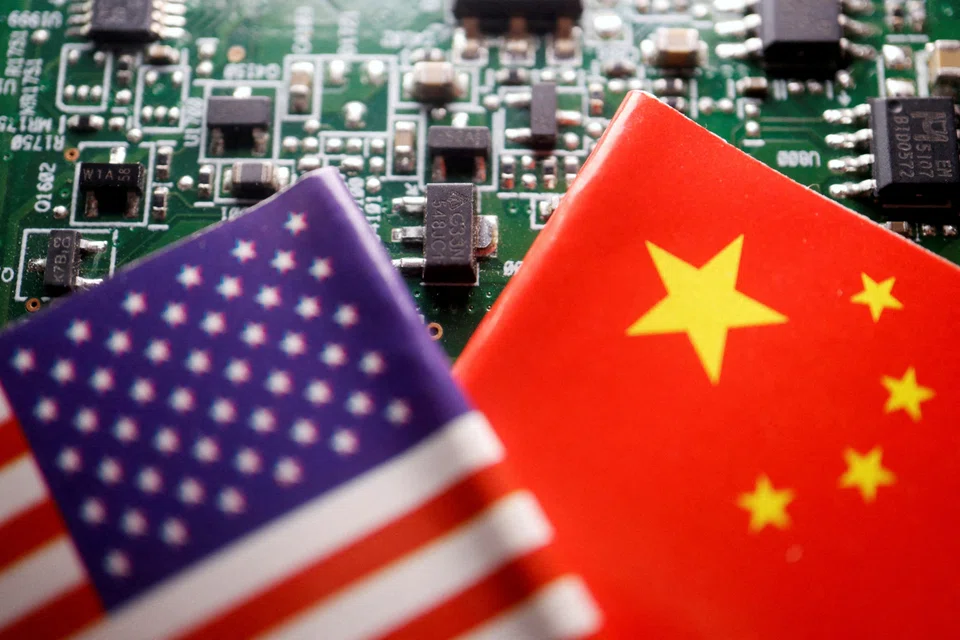
DeeperDive is a beta AI feature. Refer to full articles for the facts.
CHINA has criticised the tightening of United States rules on semiconductor exports, saying they have created more hurdles to trade and more uncertainty in the chip industry.
The Biden administration last week revised rules aimed at making it harder for China to access US artificial intelligence chips and chipmaking tools, part of a larger effort to hobble Beijing’s chipmaking industry over national security concerns.
“The US has broadened the concept of national security, arbitrarily revised the rules, and tightened control measures. That has not only set up more obstacles and imposed a heavier compliance burden on Chinese and American companies who want to work together economically and in trade normally but has also created huge uncertainty for the global semiconductor industry,” a Commerce Ministry spokesperson said, according to a statement.
The spokesperson, responding to a reporter’s question, said the move by the US “seriously affects mutually beneficial cooperation between Chinese and foreign enterprises and harms their legitimate rights and interests. China firmly opposes this”.
The US imposed rules last October barring exports and companies such as Nvidia and AMD have been affected by the spat.
“China is ready to work with all parties to strengthen mutually beneficial cooperation and promote the security and stability of the global semiconductor industry and supply chain,” the spokesperson said. REUTERS
Decoding Asia newsletter: your guide to navigating Asia in a new global order. Sign up here to get Decoding Asia newsletter. Delivered to your inbox. Free.
Share with us your feedback on BT's products and services
TRENDING NOW

Air India asks Tata, Singapore Airlines for funds after US$2.4 billion loss

Beijing’s calculated silence on the Iran war

China pips the US if Asean is forced to choose, but analysts warn against reading it like a sports result

Richard Eu on how core values, customers keep Singapore’s TCM chain Eu Yan Sang relevant

