



Housing prices in Asia-Pacific ‘misaligned’ and at a turning point: IMF
 Add BT as a preferred source
Mindy Tan
DeeperDive is a beta AI feature. Refer to full articles for the facts.
Housing markets in the Asia-Pacific region are slated for a decline in many countries, with some seeing a marked increase in downward risks in the order of 5-20 per cent countries, according to the International Monetary Fund’s (IMF) latest paper.
Housing prices across the region are “misaligned” having surged during the pandemic, especially in the region’s advanced economies.
“Between the end of the global financial crisis and the start of the Covid-19 pandemic, many housing markets in Asia saw significant increases in prices. The pandemic then introduced a structural shift in many housing markets,” said Siddharth Kothari, an economist in the Asia and Pacific Department at IMF during a briefing on Thursday (Dec 15).
On the demand side, large fiscal stimulus and an accommodative monetary policy supported housing markets, especially in advanced economies, while more teleworking shifted demand away from job centres. Meanwhile, supply side factors contributed to housing price dynamics, especially as construction activity was constrained at the height of the pandemic, he noted.
But we’re now at a turning point.
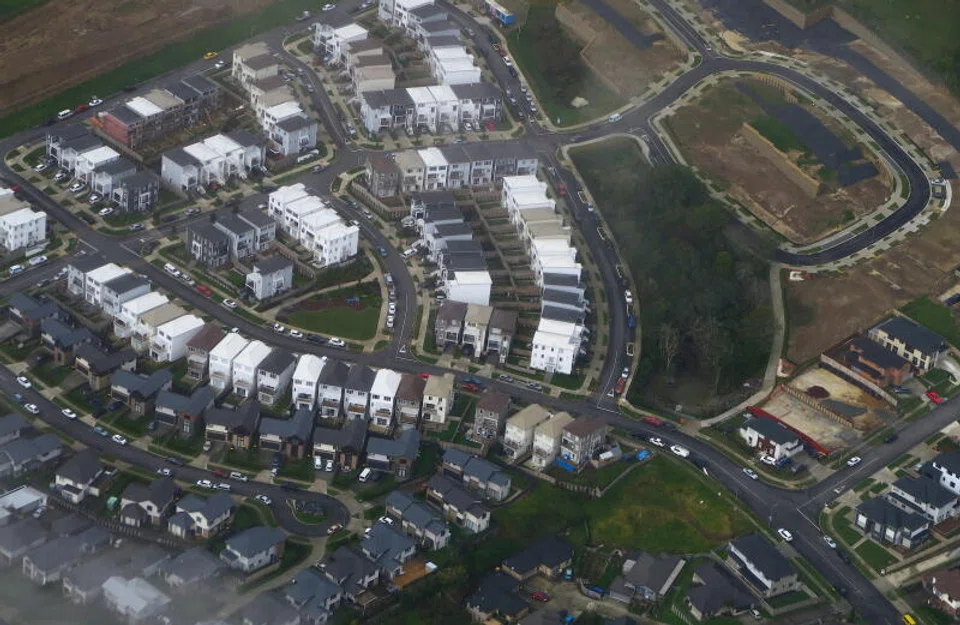
In New Zealand, where real housing prices increased most during 2020-2021 (nearly 35 per cent), the central bank has raised the policy rate by 400 basis points since September 2021 and housing prices have already declined for two consecutive quarters, noted the organisation. The decline in Q2 of this year was the most pronounced since 2009.
Navigate Asia in
a new global order
Get the insights delivered to your inbox.
Likewise, housing prices in Australia have started declining in recent months, led by major urban centres. And in China, the property sector is “in crisis” following years of significant housing price growth and buildup of property developers’ financial leverage.
Meanwhile, countries such as Malaysia and the Philippines are facing supply-side issues. In Malaysia, a sizeable supply overhang in residential properties remains, following the housing boom in the early 2010s. Residential vacancies especially in Manila, Philippines, have increased as demand from migrant workers have been slow to come back, cooling the housing market.
Only in India is the situation showing improvement, with a decline in inventory overhang.
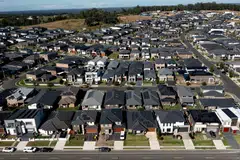

Overall, housing affordability remains a “major concern” and is expected to deteriorate as interest rates increase, said the IMF.
And, while macro prudential policies play critical roles in moderating credit, especially to riskier borrowers and avoid housing busts, they play a limited role on housing price appreciation. Instead, a multifaceted approach is needed to address affordability.
“Macroprudential policy needs to be well-coordinated with monetary and fiscal policy and take in consideration high levels of household debt, tightening financial conditions, deteriorating real wage growth, and, in many cases, scarring effects of the pandemic,” it said in its report.
Decoding Asia newsletter: your guide to navigating Asia in a new global order. Sign up here to get Decoding Asia newsletter. Delivered to your inbox. Free.
Copyright SPH Media. All rights reserved.
TRENDING NOW

‘Boring’ is the new black: The stars are aligning for a Singapore stock market revival
Near sell-out launches in March boost developer sales to 1,300 units after four slow months

China pips the US if Asean is forced to choose, but analysts warn against reading it like a sports result

Genting Singapore’s Lim Kok Thay receives S$7.5 million pay package for FY2025

