

A daringly-different take on the Holocaust
 Add BT as a preferred source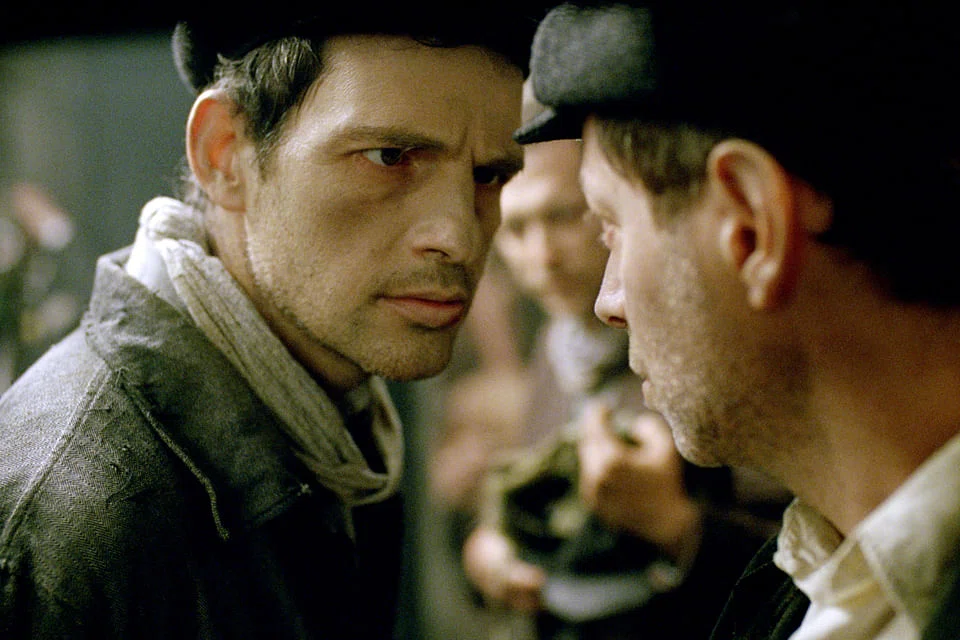
DeeperDive is a beta AI feature. Refer to full articles for the facts.
A LARGE, rough, hastily-painted red "X" marks the back of Saul Auslander's jacket. It's one of the first things we see in Son of Saul - and also a fitting symbol of a grippingly-told, daringly-different take on the Holocaust by Hungarian director Laszlo Nemes. His debut feature follows an Auschwitz-Birkenau concentration camp member for two harrowing days as he desperately tries to find a sense of purpose in a living hell.
The "X" identifies Saul as a Sonderkommando (special unit) - a Jewish death-camp inmate who is forced by the Nazis to shepherd victims to the gas chamber, then dispose of the bodies afterward and prepare the chambers for a new wave of arrivals. It's a horrific, soul-destroying task as the Sonderkommandos are only too painfully aware that their own deaths are imminent, delayed by mere months at most.
They were condemned by some for being perpetrators while others saw them as victims. The film asks viewers to draw their own conclusions. The script, by Nemes and Clara Royer, is based in part on testimonials by Sonderkommando survivors, and some of the things depicted in the film - such as secretly-taken photographs of bodies being burned and a Sonderkommando uprising in October 1944 - did take place at Auschwitz.
Copyright SPH Media. All rights reserved.
TRENDING NOW

Air India asks Tata, Singapore Airlines for funds after US$2.4 billion loss

‘Boring’ is the new black: The stars are aligning for a Singapore stock market revival

From 1MDB to ‘corporate mafia’: Is Malaysia facing a new governance test?

South-east Asian markets account for 8.8% of global capital inflows from 2021 to 2024: report

