Home of the past, present and future
This shophouse is filled with tactile and personal touches drawn from craft techniques and inspired by its architectural features
 Add BT as a preferred source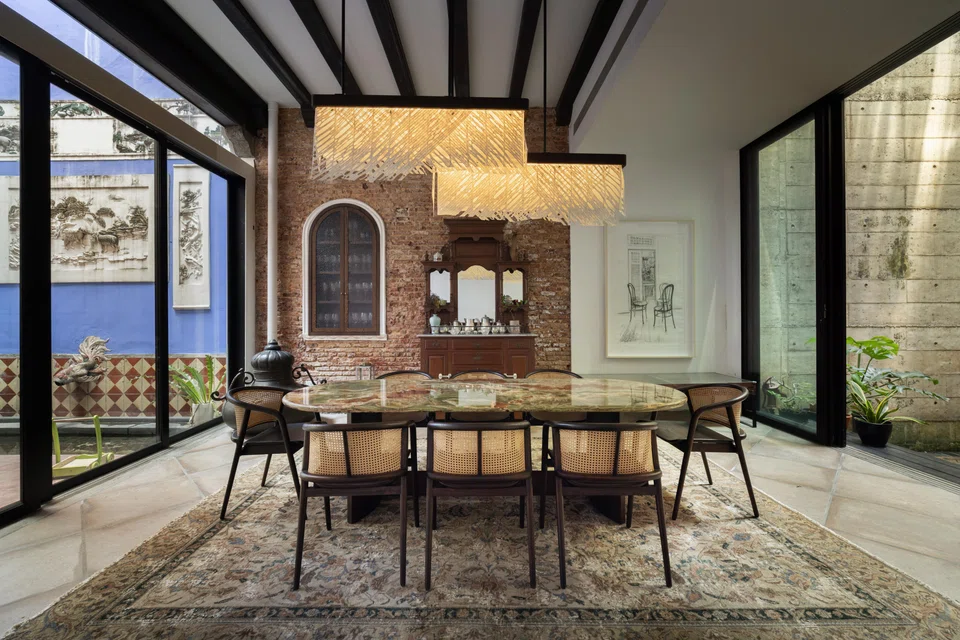
IN SINGAPORE’S CITYSCAPE OF GLASS towers and ubiquitous condominiums, shophouses present a different way of living. Their structure, layout and materiality hark back to a bygone era – one where the lack of air-conditioning called for inventive ways of bringing in light and ventilation, and the use of natural materials was the norm.
Many have been adapted to suit modern needs, including this one in the central part of town. The owner, who lives here with her fellow entrepreneur husband and three young children, shares that her family was drawn to shophouse living “where generations of stories have unfolded”.
She adds: “It felt alive, and I was drawn to the sense of history and openness – our backyard is shared with neighbours, and that creates a sense of (community). I wanted my children to grow up with that kind of texture and continuity.”
In particular, the shophouses’ “in-between spaces” such as the courtyard and thresholds appealed to her. “They slow us down, and in doing so, invite presence and togetherness.”
This particular shophouse was built in the early 1900s and, unlike many in the Central Business District that housed trades downstairs and residences upstairs, served primarily as a home. When the couple first moved in in 2014, they collaborated with Annex X and later ONG&ONG to restore it for their needs.
Exposed brick walls and timber beams add rustic charm. The facade and courtyard walls were painted a rich cobalt blue, and spaces were opened up to feel more connected and to let light penetrate.
Navigate Asia in
a new global order
Get the insights delivered to your inbox.
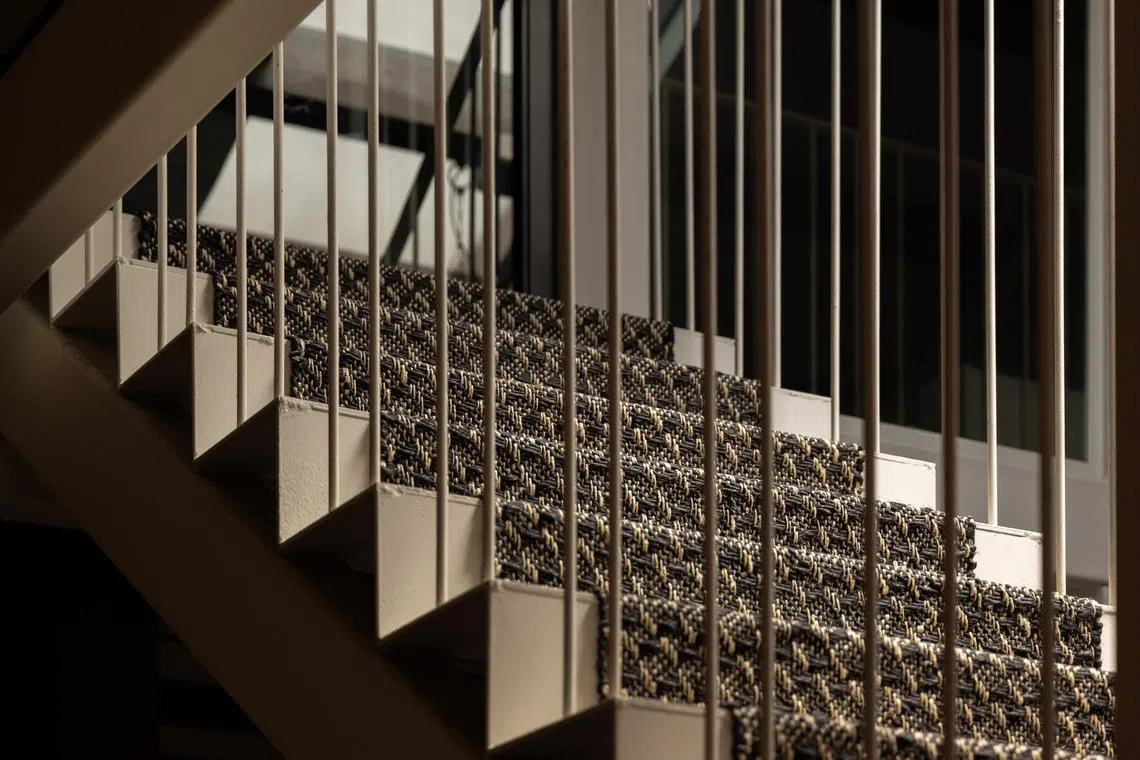
For example, a wall between the dining room and courtyard was replaced with sliding glass panels, while a metal instead of timber staircase on the lower levels creates a lighter and breezier atmosphere.
The first storey contains the living and dining areas, as well as a kitchen with a generous island. Upstairs are the bedrooms, along with a small study that opens to a roof terrace that the owner uses for exercise.
Craft-led experimentation
A second renovation by Goy Architects last year adapted the shophouse for the needs of their three young children and added personal touches to the property’s storied walls. The owners were aware of the firm’s craft-led direction and were open to experimentation.
SEE ALSO







“The interior works involved the creation of a few sets of bespoke feature walls, furniture and lighting pieces that allowed us to explore the materiality and crafts of our region,” explains the firm’s founder, Goy Zhenru.
“It was also important to imbue the family’s memories and collected memorabilia into the materiality of the spaces.”
Goy was one of the recipients of the fourth “20 Under 45” programme by the Urban Redevelopment Authority, which recognises architects who show promise and make notable contributions to Singapore’s built environment.
Goy’s agenda was to enhance existing features rather than replace them. For instance, she worked with Solo Design in Yogyakarta to customise bright orange cement sand tiles for the courtyard.
“We referenced the 150-year-old goldfish jian nian on the courtyard wall,” she highlights, referring to a technique in which tiles or ceramics are cut into mosaic-sized pieces, then embedded into plaster to create sculptures or decorative images.
She also applied the method to the back wall of arched display niches in the dining room that hold whimsical chipped teacups.
On a kitchen wall, new hand-pressed ceramic discs introduce a sense of rhythm. “The family used memorabilia they collected from walks in the park and from their home – such as rings, toys, plants and even their dog’s paw prints – to leave marks on the ceramic discs. These were then glazed, fired, and assembled on site by local ceramic artist Bernice Lim,” Goy says.
Family life is centred on the kitchen and dining room, and these changes reflect this. Goy also designed a new dining table and dining chairs made with wood and stone – for comfort and to instill a sense of nature.
Between the kitchen and backyard, three bees were carved into the transom of the reclaimed timber door. “The bees are part of the family crest that has been passed down (for) generations,” says Goy.
Soft textures are a feature, such as the sisal runner on the staircase, and new lamps at the stairwell and dining room. “We used banana fibre paper to create the dining pendant lamp,” explains Goy. “The patterns on the paper were holes created during the drying of the paper pulp set within the structure of the strings.”
An “honest” renovation
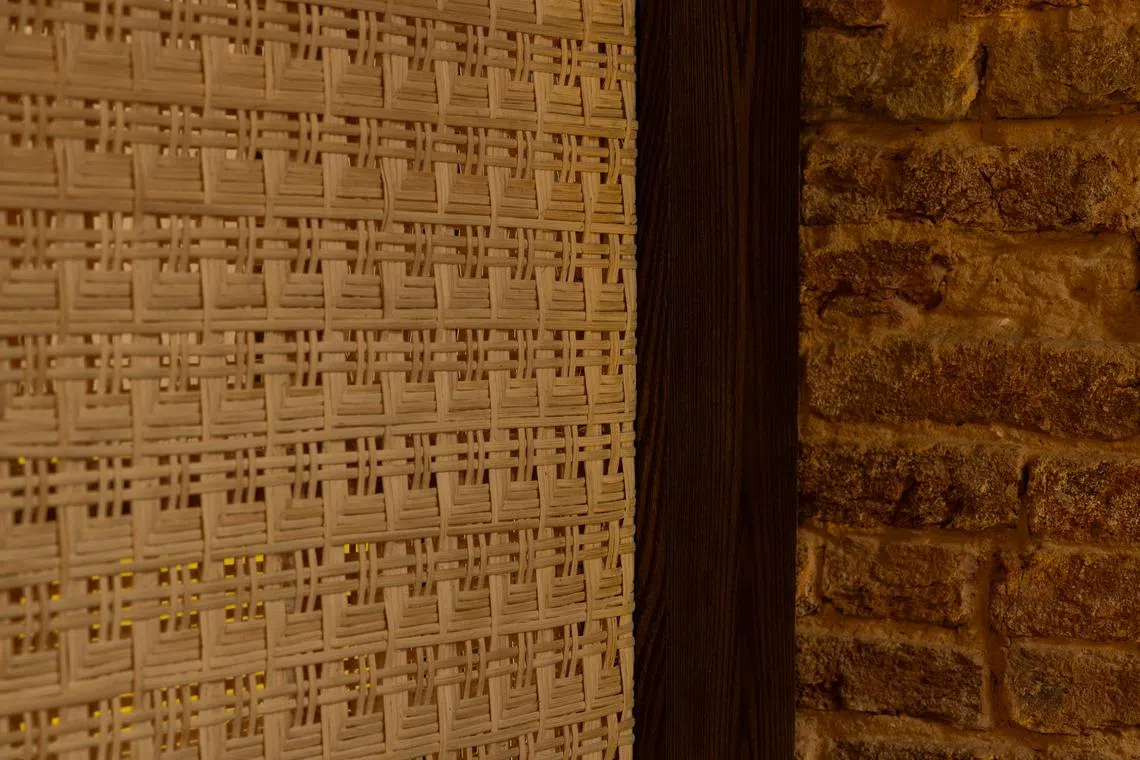
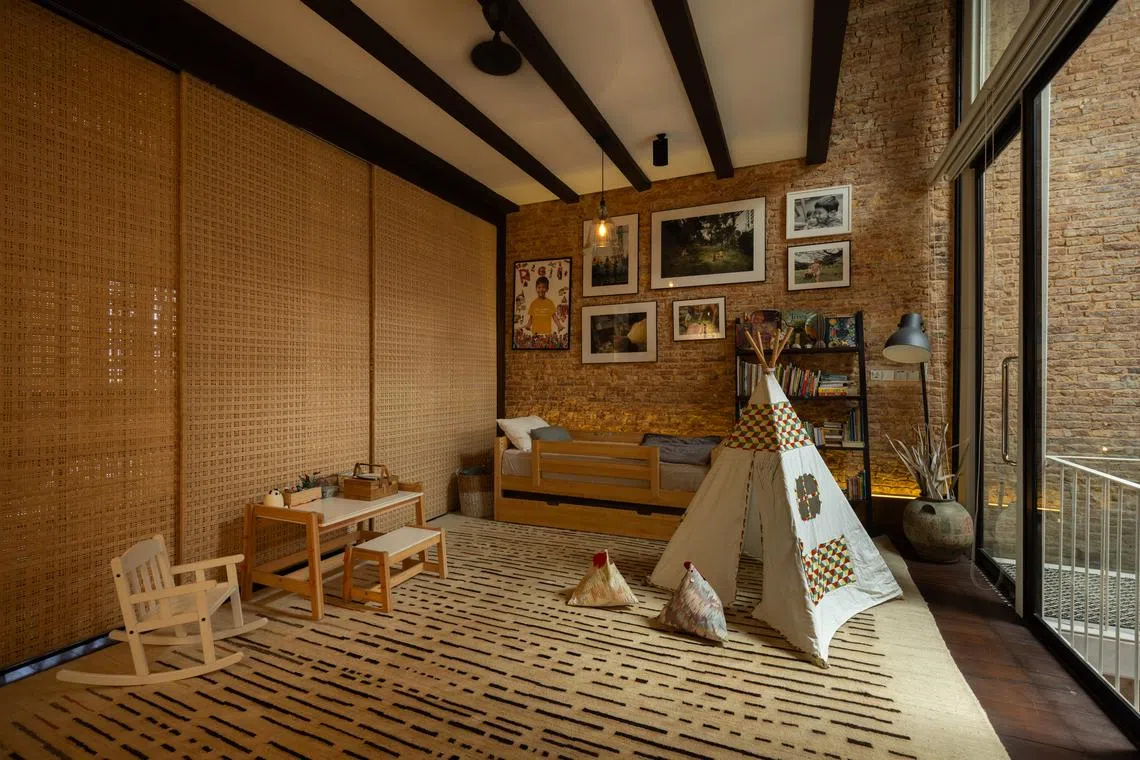
One major change was in the bedroom which all three children share. A new sliding woven bamboo screen demarcates the large room according to their changing sleeping and play needs.
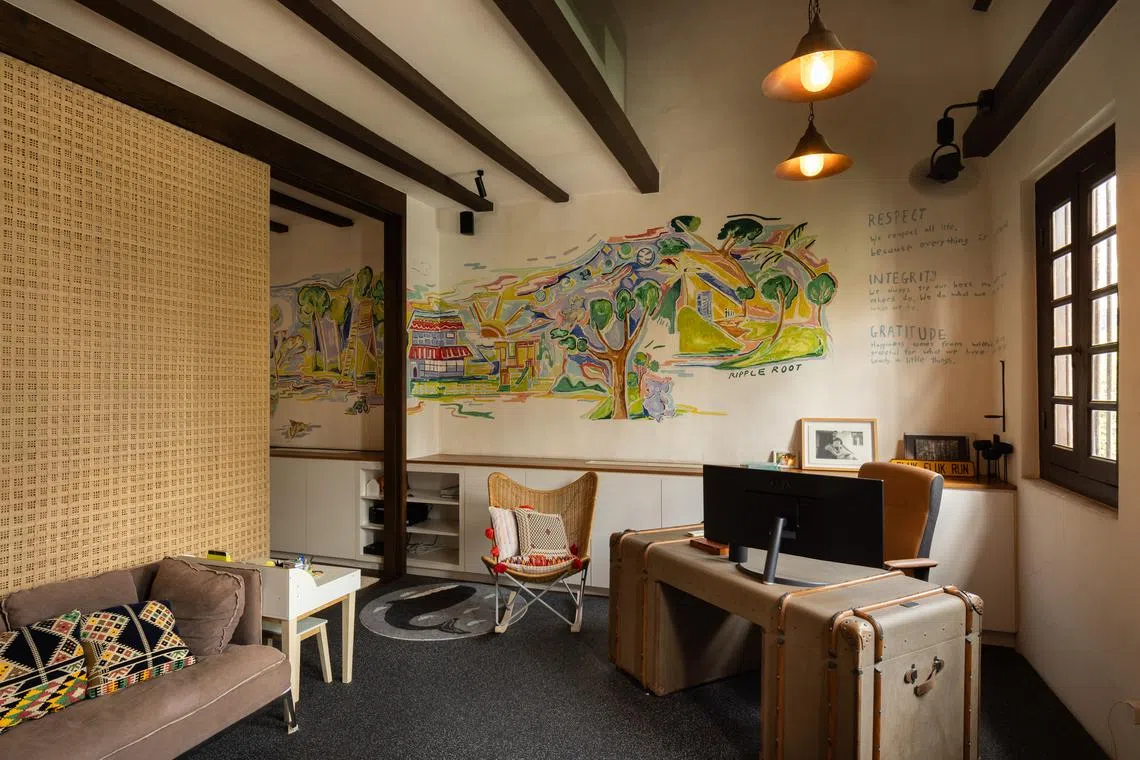
The owner also invited local artist duo Ripple Root to decorate the bedroom walls with a personalised mural centred on “the happiest memories of our children – (such as) their first school, the forest we always walk the dog in, and their favourite toys”.
The owner wanted the renovation to be “honest”, she shares. Goy’s designs made their house “even more of a home”, with materials that would age beautifully over time. “(They let) the space breathe, and let it hold memories without being precious about it.”
“Some of the most lived-in beauty emerges when we allow life to unfold,” she says.
Decoding Asia newsletter: your guide to navigating Asia in a new global order. Sign up here to get Decoding Asia newsletter. Delivered to your inbox. Free.
Copyright SPH Media. All rights reserved.