A world apart at Lord Howe Island
The secluded island off Sydney has just 400 residents and offers a quiet luxury escape from the city
 Add BT as a preferred source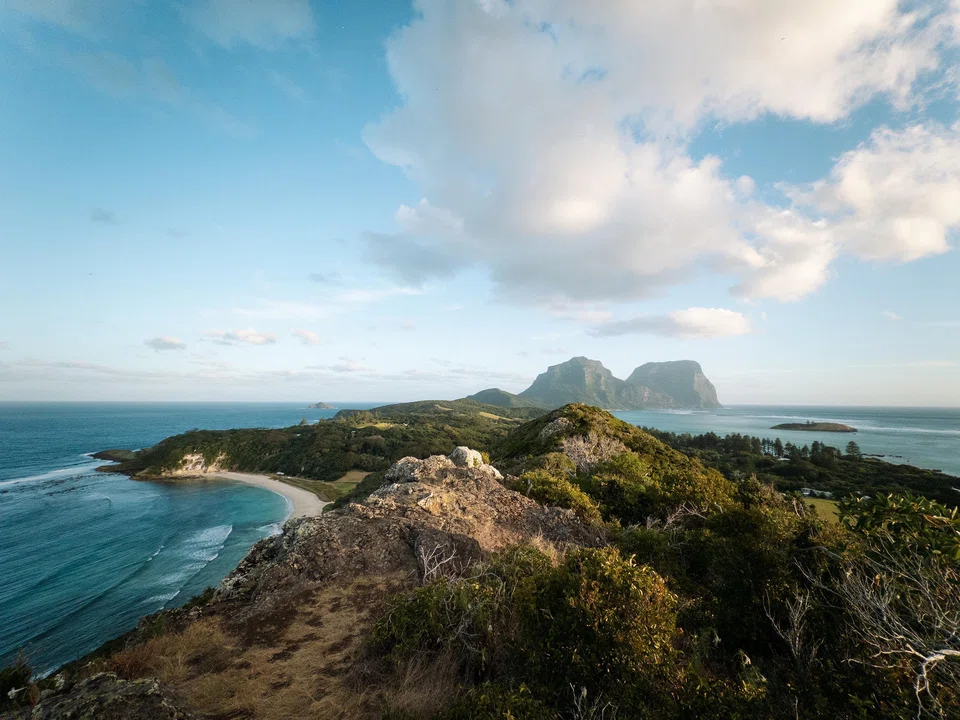
IN AN AGE OF CONSTANT connectivity, Lord Howe Island offers a calm counterpoint. There is no mobile reception, so random spam calls and incessant notifications do not follow you here.
It’s also remarkably safe. No creepy-crawlies lurk. Homes and cars are left unlocked. Surfboards rest unattended beneath trees until their owners return. After dark, the absence of streetlights reveals a sky festooned with stars.
Despite being just two hours by air from Sydney, it feels like a different world. A crescent-shaped, 11 km-long volcanic remnant in the Tasman Sea, Lord Howe was listed on the Unesco World Heritage List in 1982 for its unique biodiversity and topography.
It was discovered in 1788 by British lieutenant Henry Lidgbird Ball, but it wasn’t until 1834 that settlers arrived from New Zealand. Its economy was dependent on whaling, but the island also supplied passing ships with provisions in exchange for other essentials.
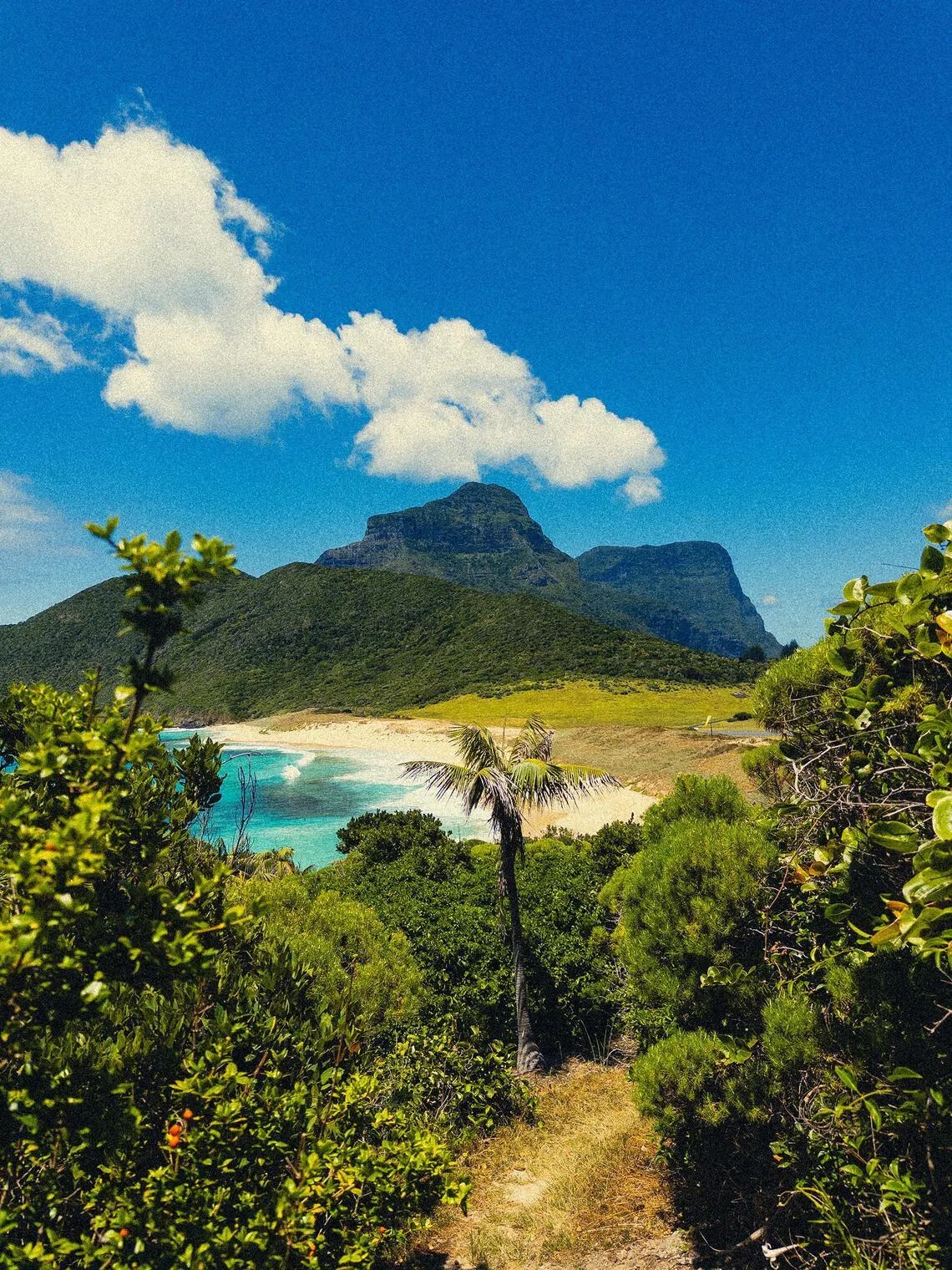
Kentia palms became a thriving industry thanks to European demand for the decorative indoor plant; even Queen Victoria took a fancy to them.
Today, the island’s main focus is on tourism and conservation – in particular, the preservation of this unspoiled beach paradise that has yet to be invaded by holiday crowds or major hotel chains.
Navigate Asia in
a new global order
Get the insights delivered to your inbox.
Living with nature
Canadian-born Chelsea Holden moved to Lord Howe to work in hospitality, but stayed on after marrying an islander. The couple now run Chelsea Scott Photo, which organises photography tours.
“Living here changes the way you notice things,” says Holden. “Life here moves at a slower pace, and you become more aware of the light, the weather and the small everyday moments that might be missed in a big city.”
Ian Hutton, who has spent the last four decades studying the island and runs a small museum dedicated to it, says it’s “like living in a David Attenborough documentary”.
He also conducts nature tours and assures you that it’s even safe to walk around barefoot. “There are no poisonous spiders, snakes, biting ants or ticks.”
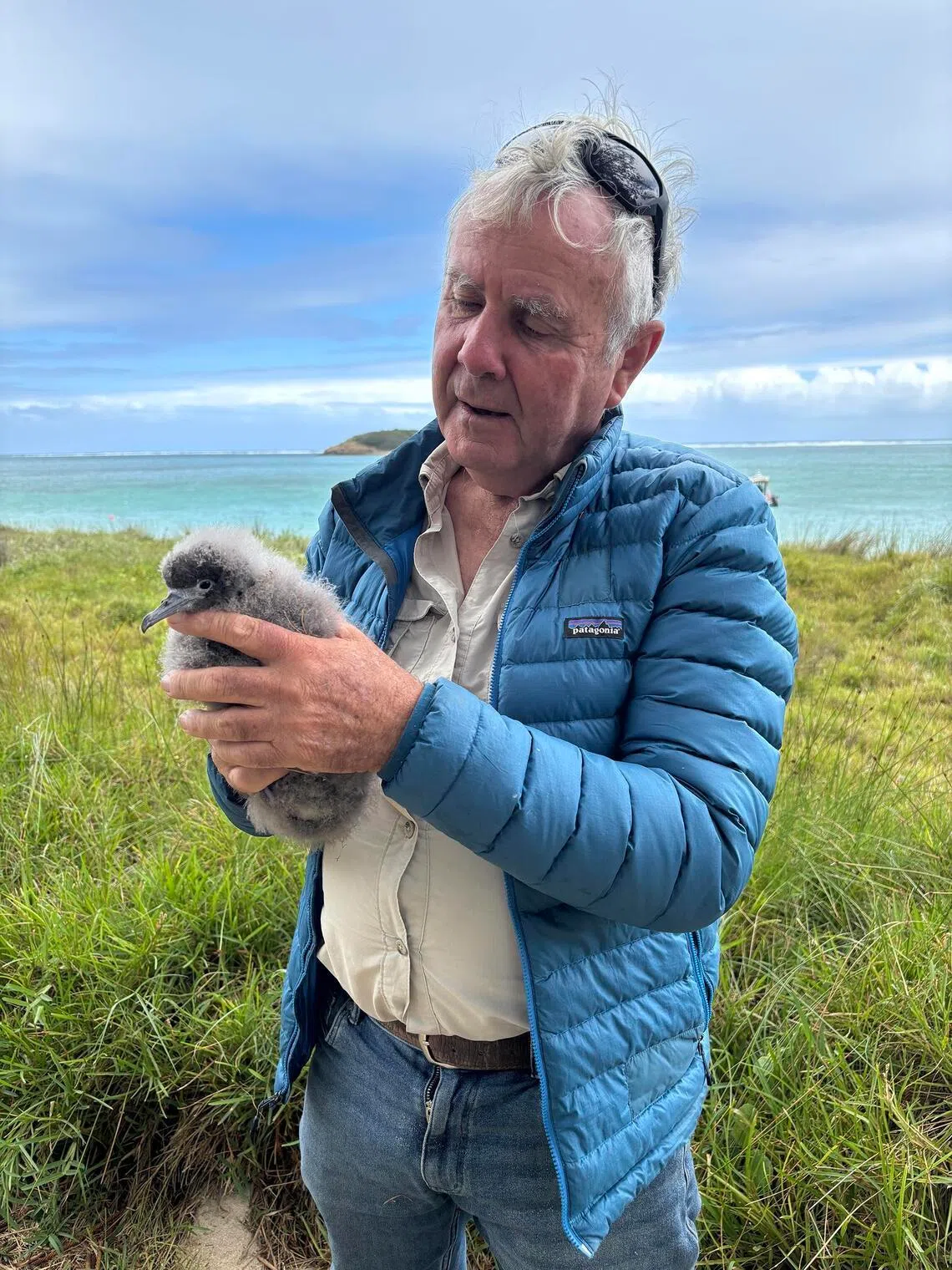
He has even spearheaded projects to rid the island of rats and feral weeds that threatened the island’s fragile ecosystem. Earlier efforts had already removed cats, pigs and goats. As a result, bird populations have rebounded, and plant life has flourished.
The island is so secluded that only about 400 people live here, with a strict cap of 400 visitors at any one time. Annual arrivals hover around 16,000, and many Australians have never been here – partly because trips need planning and airfares are not cheap.
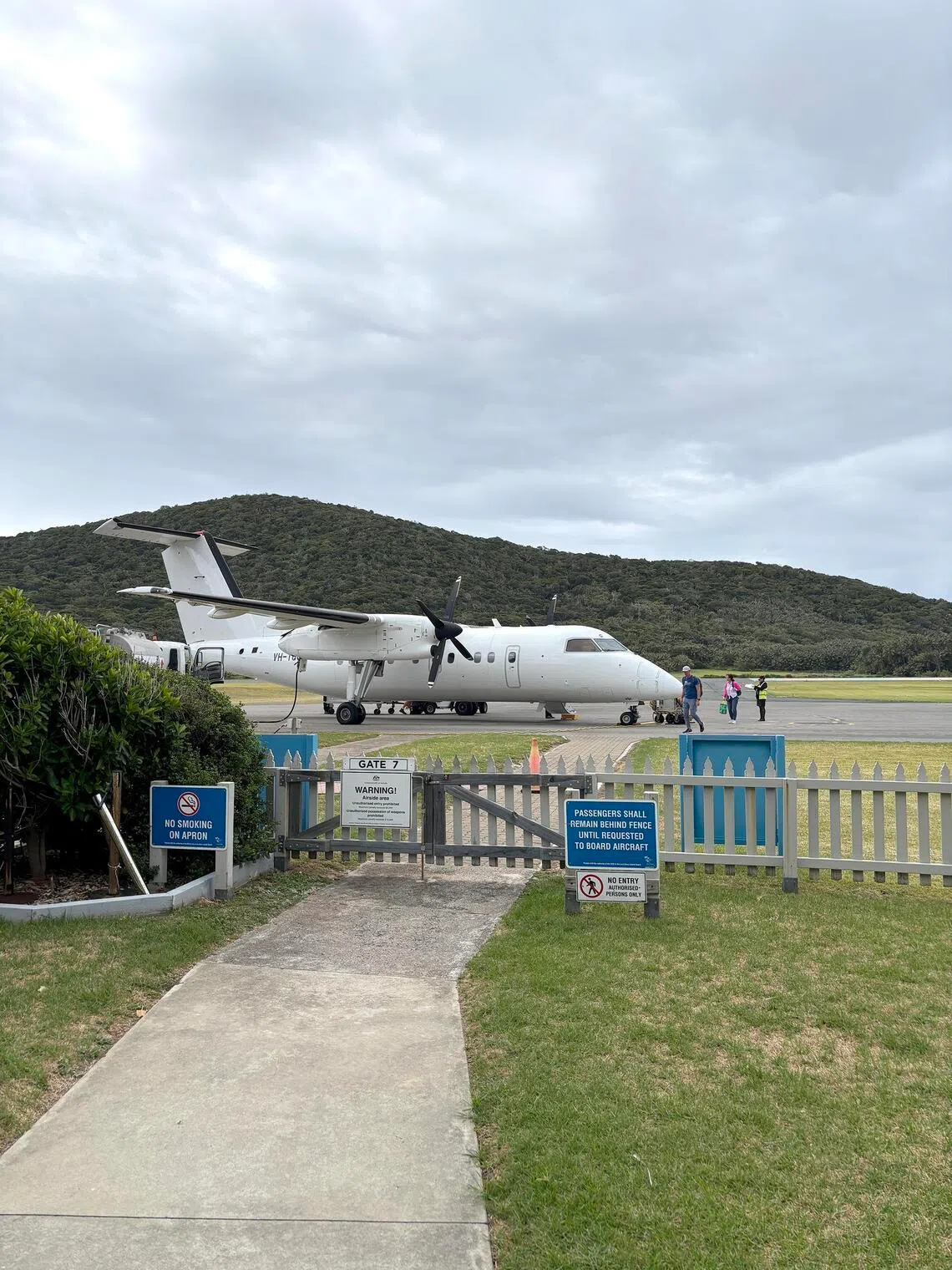
There are only two flights a day from Sydney in a small Dash 8 turboprop aeroplane that can negotiate the airport’s short runway.
Most folks cycle or walk to get around, with just 8 km of roads and only a few cars that can’t exceed the 25 kmh speed limit. There is no Uber service here.
Sun, sea and mountains
Sunseekers have 11 beaches to fulfil their tanning quota in – all with powdery white sand and clear turquoise waters.
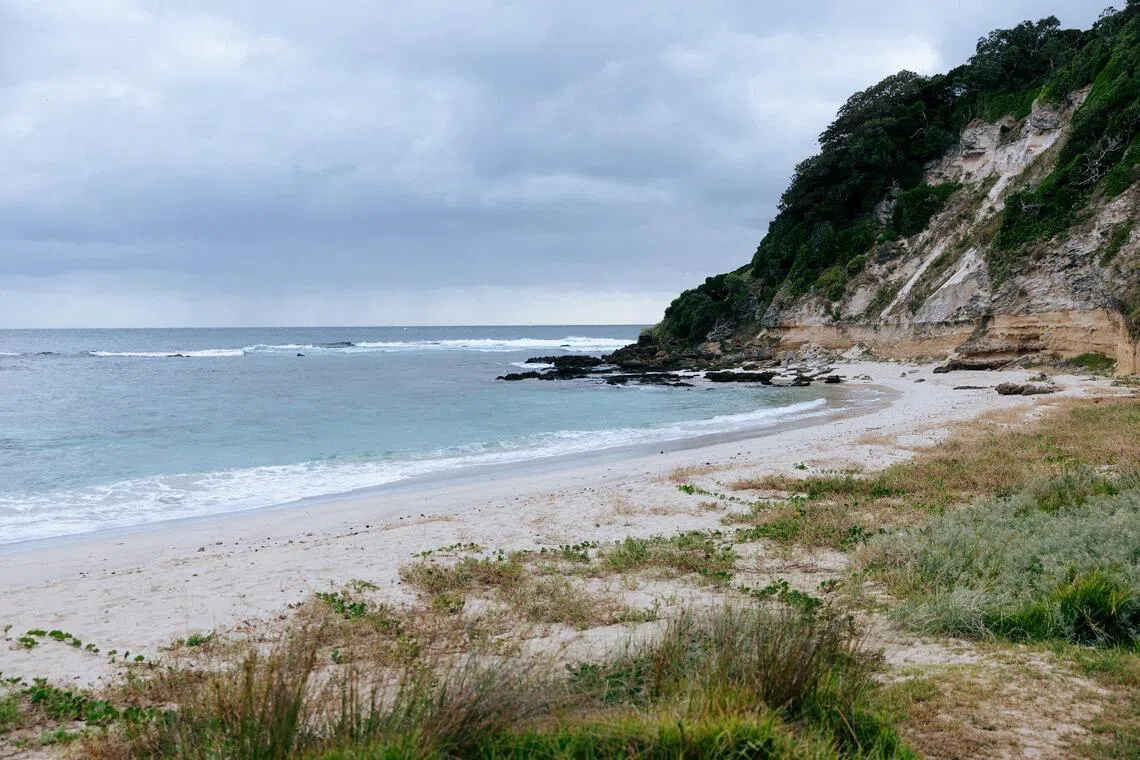
Ned’s Beach is known for snorkelling and an “honesty box” for gear hire. The more sedentary can opt for a gentle stroll at Lagoon Beach, or look for the turtles that sometimes visit Old Settlement Beach. For surfers, Blinky Beach offers a rugged edge.
The southern end is home to the 875 m Mount Gower; an eight-hour guided trek through steep terrain takes you to the summit and the ethereal view of a mist-laden cloud forest. It’s separated by a valley from its twin peak, the 777 m Mount Lidgbird.
Further afield is Ball’s Pyramid, a jagged volcanic sea stack – a type of rock formation – that rises sharply from the ocean. Considered the tallest of its kind in the world, it draws seasoned divers for its underwater drop-offs and marine life. You can get there only by boat, depending on sea conditions.
Flora and fauna
With 70 per cent of the island protected within a Permanent Park Preserve, Lord Howe is Australia’s biggest and most important seabird breeding site, says Hutton. “About 300,000 to 400,000 seabirds gather here each summer.”
Because there are no mammal predators, it’s also a safe haven for birds to rear their young, especially when they “need to leave to hunt for food in the ocean”.
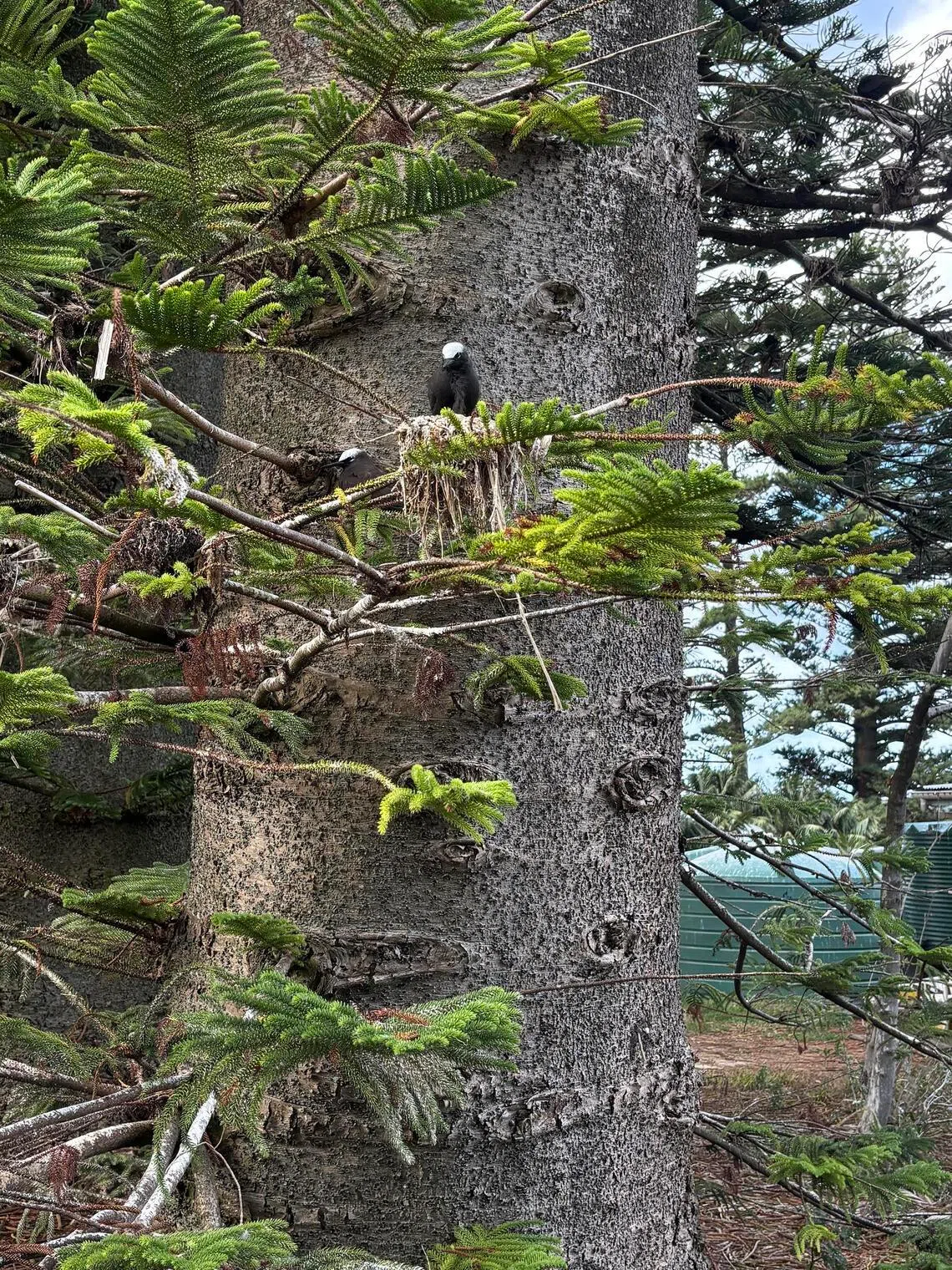
In the middle of town, black noddies can be seen nesting in dense colonies within Norfolk Island pines, whose beautiful, symmetrical, tiered branches punctuate the island’s landscape.
There are also shearwaters, known as muttonbirds. They burrow into the ground to raise their chicks, leaving them unattended while they forage at sea.
Then there’s the woodhen, a flightless endemic bird once on the brink of extinction. Now, they are often spotted confidently wandering across the island.
Isolation has also fostered a pragmatic approach to sustainability. “We have one of the most sustainable fisheries in the world,” says Hutton, adding that the fish here are for local consumption only. The main catch here is kingfish, a “versatile fish that can be grilled, barbecued or cooked in curry”.
Where to stay and eat
Like the island, dining is low-key and fuss-free. The Anchorage, near Lagoon Beach, is popular for coffee and brunch, while the Crooked Post serves freshly grilled burgers and generous wraps on its verandah.
Hearty casual fare can be found at the Lord House Island Museum cafe, which is managed by Sarawak native Stephen Sia, his wife and his chef brother. Like many islanders, Sia wears several hats; he runs the island’s only post office, publishes the community newspaper and helps out with the Catholic church.
Dining out is expensive here, and the cost of living is comparatively high due to the logistics of staying in such a remote location. Supplies arrive by ship only once a fortnight.
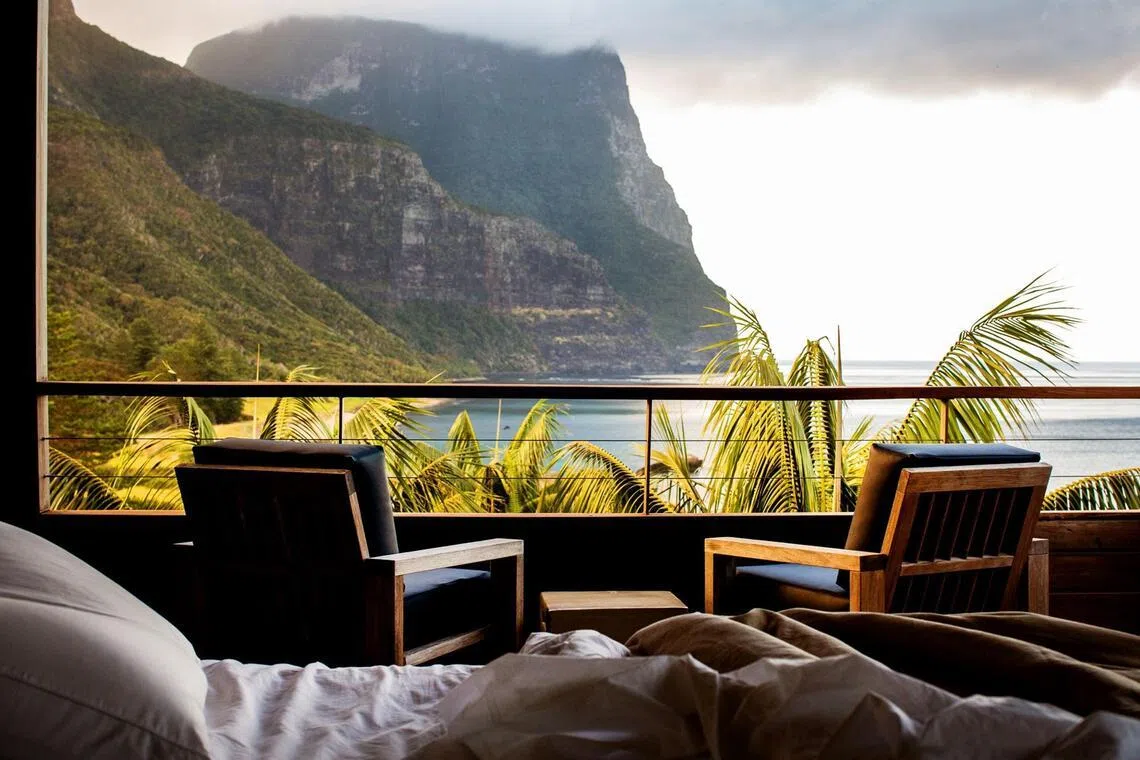
Accommodation ranges from self-contained apartments to high-end lodges. The upscale Capella Lodge – no relation to the Singapore hotel brand – looks out to sweeping views of the ocean and the mountains beyond.
Pinetrees Lodge, one of the island’s oldest but elegantly refurbished properties, takes an analogue approach to hospitality. There is no Wi-Fi, and days are structured around tennis, beach walks and sundowners at its sea-facing Boat Shed. Arajilla Retreat, which has suites equipped with kitchenettes, offers a more intimate stay.
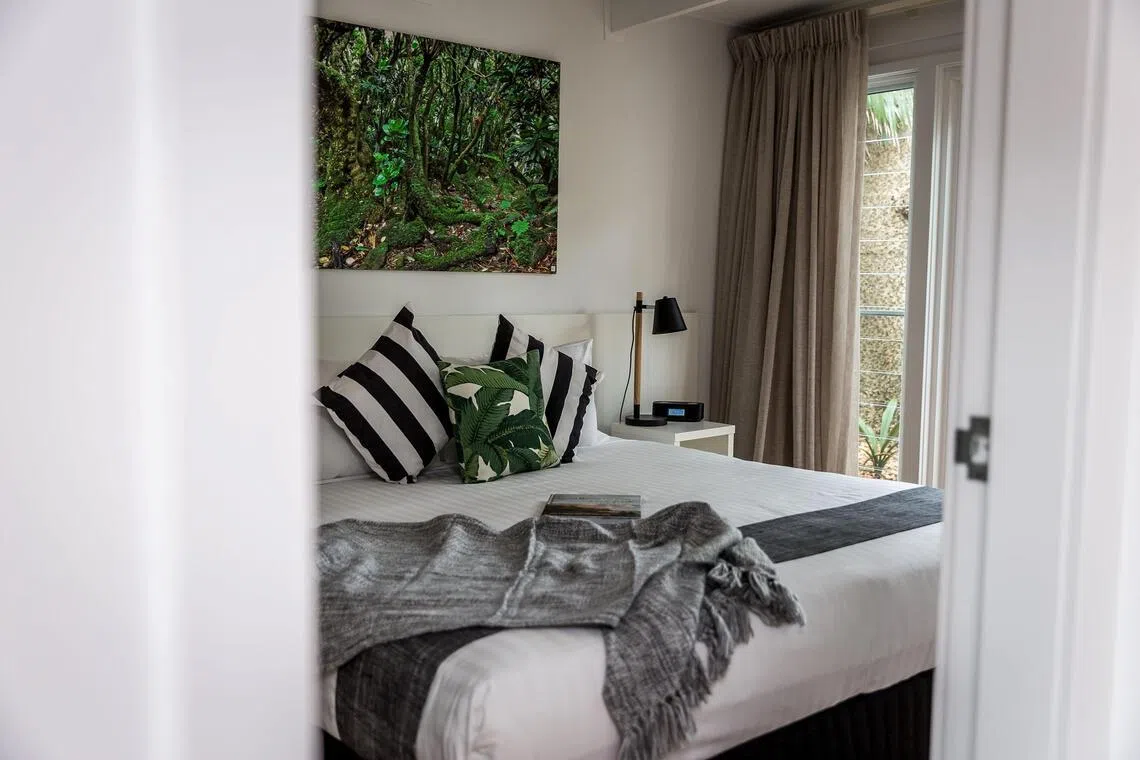
For a more private, design-led stay, Island House offers two pavilion-style residences. Owner Timothy Maxwell fitted the spaces with expansive decks, fireplaces, copper baths, artworks and authentic mid-century furniture.
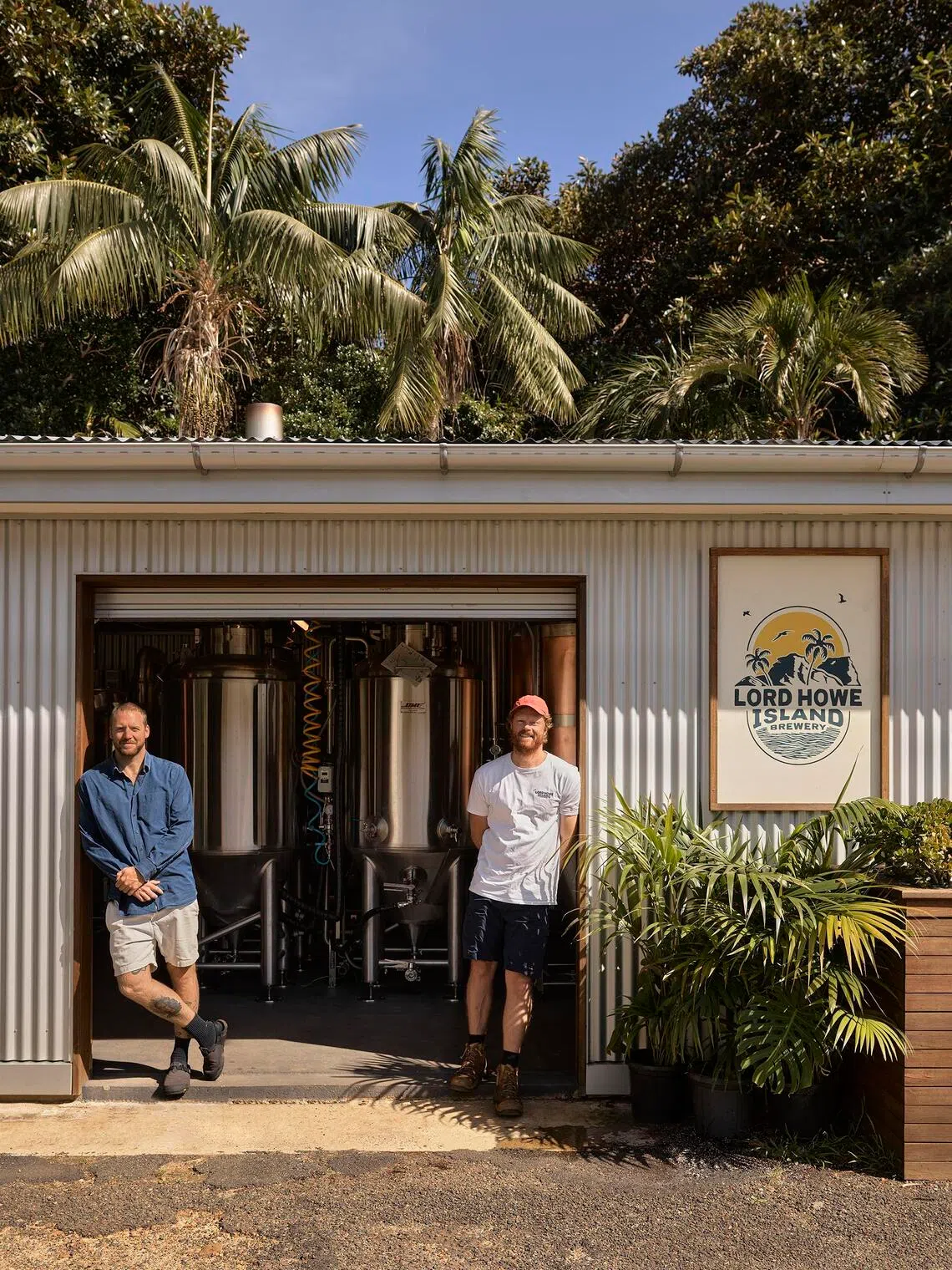
Island Brewery, also operated by Maxwell, produces small-batch beer and kombucha using native ingredients. On Thursdays and Saturdays, the islanders gather at the massive lawn for wood-fired pizzas and beers – a convivial ritual that draws the close-knit community together.
“Simplicity,” as Holden puts it, “is what makes the island special.” The environment is “so beautiful that celebrations feel very elevated and natural here”, she adds. “People tend to slow down, spend time together and be more present with each other.”
Decoding Asia newsletter: your guide to navigating Asia in a new global order. Sign up here to get Decoding Asia newsletter. Delivered to your inbox. Free.
Copyright SPH Media. All rights reserved.