Zach Lee: Architect of Hotel Royal’s new future
Following the success of Baba House in Melaka, the group’s Harvard and Cornell-trained leader has major plans for its iconic but ageing property on Newton Road
 Add BT as a preferred source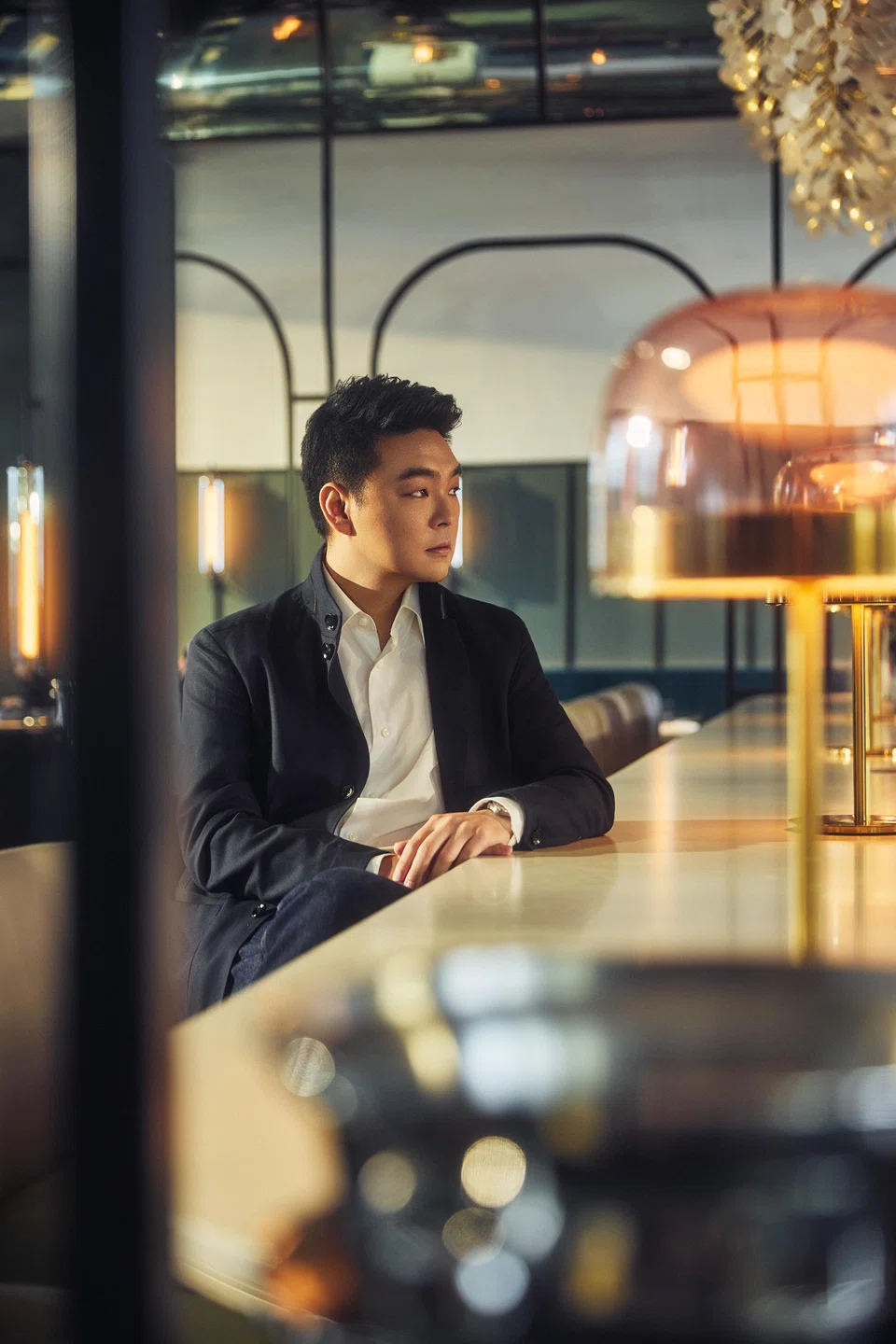
“DOING THIS INTERVIEW IS AWKWARD for me,” Zach Lee admits. This was a surprise, considering the man is deputy chief executive officer of Hotel Royal.
That discomfort could come from the fact that Lee – and the group – have stayed largely under the radar.
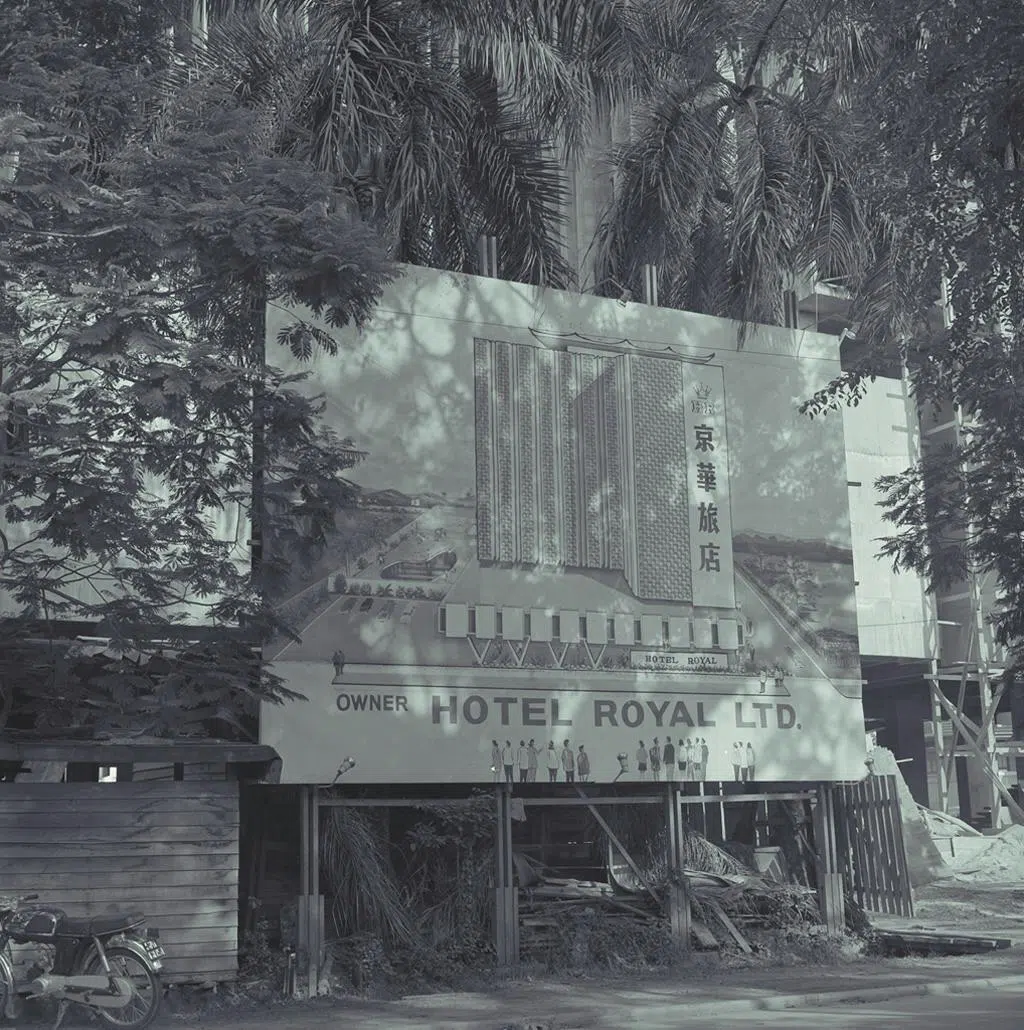
Founded in 1968 by his grandfather and great-grandfather, the Hotel Royal group opened its namesake Newton Road property in 1972. For decades, it remained its only hotel until the purchase of Allson Hotel on Queen Street in 2004, now renamed Hotel Royal Queens. Today, the group has eight hotels across Singapore, Malaysia and Thailand.
As for Lee, he never had much of an online presence until recently. “That’s by design,” says the boyish-looking 43-year-old. “Because the family places a lot of value on humility, we don’t like to be ‘out there’. And it worked for a long while.”
But things are different today. With the group finally undergoing transformation and winning awards, it’s time to ensure online visibility. “And when people access such information, it helps us attract talent.”
“You’re not going to get rich”
Lee never intended to join his family’s listed hospitality business. Described by an architect friend as a nice guy and “very smart”, the arts lover and supporter also plays the piano and saxophone.
Navigate Asia in
a new global order
Get the insights delivered to your inbox.
After obtaining his bachelor’s and master’s degrees in architecture from the National University of Singapore and Cornell University, respectively, he stayed in New York to work in an architectural practice.
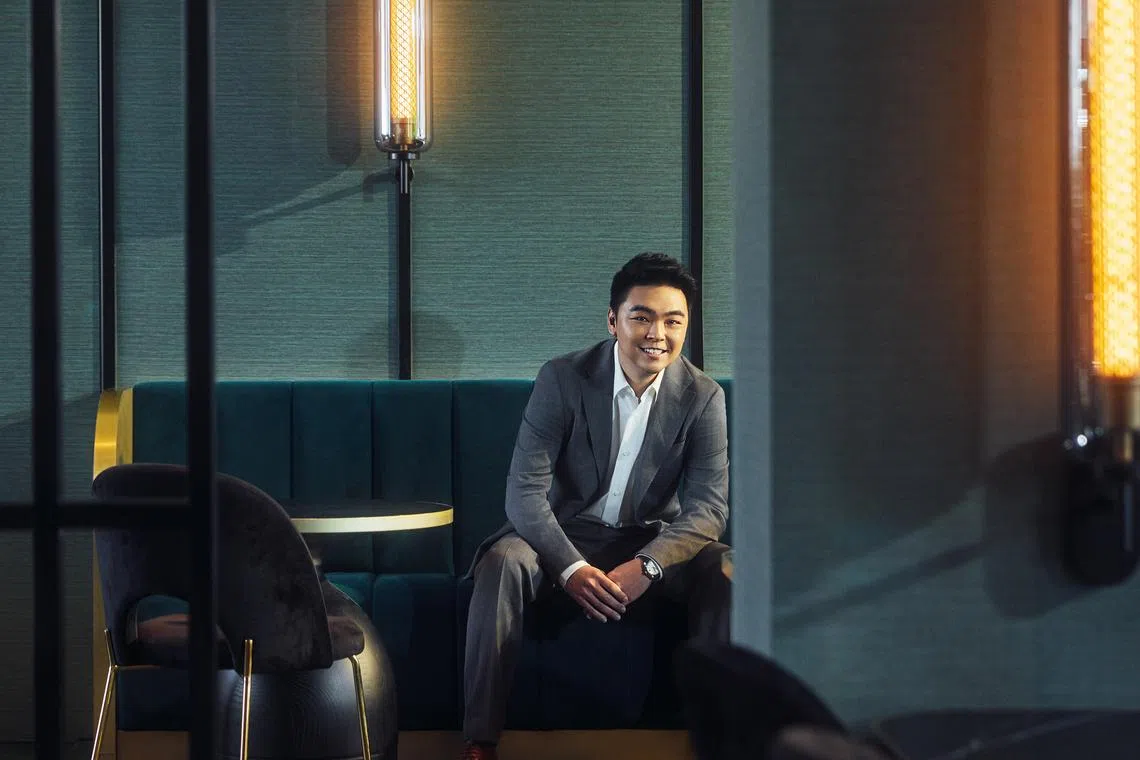
But his idealism clashed with reality. “If a developer wants to build a mega project on a piece of land, his finance team will say they need to run the numbers first, the structural engineer will want to do soil investigation, and so on. Only the architect is like, ‘Yes! I’ll help you dream up three different designs by next week’.”
So, he adds: “Architects are trained to be idealists, to take the leap of faith in the absence of information.”

His frustration led him to do another master’s degree – this time in real estate at Harvard – so he could better understand the business side of things. “Developers tend to think their opinions carry more weight because they’re the ones spending money and suffering the consequences if things go wrong.
“But an opinion that has more weightage doesn’t mean it’s the correct one. Having been on both sides, I can understand why people think differently.”
In 2016, Lee returned to Singapore, working at an architectural firm to gain experience. He had dreams of starting his own business as an architect developer, so he could control the product from start to finish.
But when his grandfather, Lee Chin Chuan, passed away just two months before Lee’s first child was born, he felt it was time to chip in.
“He was 85 and worked till the day he died,” he says of the Public Service Medal recipient and prominent business and community leader. Lee didn’t want the same to happen to his own father and the group’s CEO, Lee Chou Hock. So he offered to join the company – on the condition that his father lighten his own load.
“He told me two things. One is ‘if you join the family business, you’re not going to get rich’. I think that’s because you cannot afford to damage a legacy, so you’ll always place the company’s success before your own. Secondly, he said: ‘Once you enter, you’ll never leave’.”
And so with eyes wide open, Lee – who has a younger sister, a partner at one of the Big Four accounting firms – joined Hotel Royal in 2018.
A leap of faith
Meanwhile, amid a burgeoning hospitality industry where other names have rebranded, expanded or simply changed hands, time seemed to stand still at Hotel Royal on Newton Road – which holds many memories for Lee.
“When I was young, I’d play hide and seek there with my cousins at our many family events. When I joined the company, many of the employees recounted my childhood memories with me. They told me how my dad used to take me to the back of the property to fish for guppies in the drain.”
Lee spent a couple of years learning the ropes and understanding the context under which the business operated before implementing changes – starting in Malaysia.
He wanted to change the workplace culture – by holding people accountable for their performance, putting in place training programmes to encourage career growth, and transparently linking key performance indicators to rewards.
“If you’ve done really well in your role, even if the hotel (hasn’t performed well), you should still be rewarded.” At Hotel Royal Signature in Kuala Lumpur, he also focused on renovation and brand building.
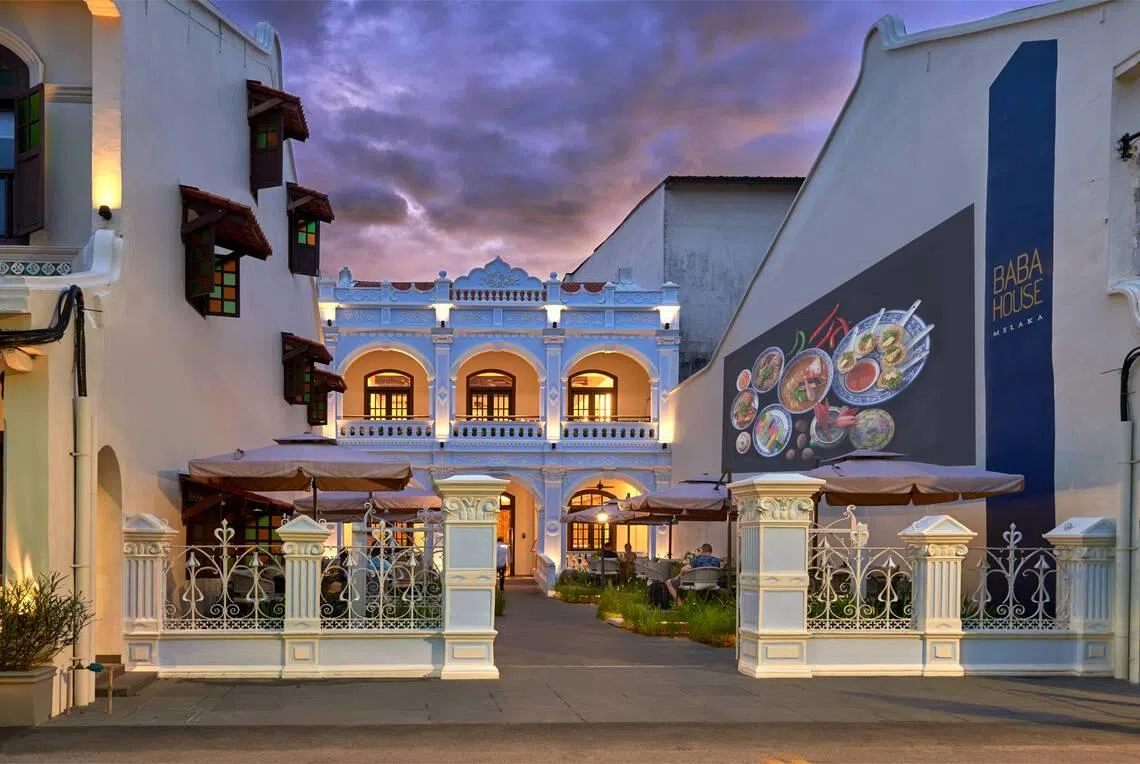
Over in Melaka, where the group owns a row of old shophouses within the Unesco World Heritage Site, he resisted the temptation to maximise room count when converting the conservation property into a hotel.
Instead, the 100-room Baba House Melaka was designed to contribute to the local culture and tourism industry, with write-ups “everywhere” to explain its Peranakan features and history.
There are also antiques, a library, courtyards and even a space which locals can book to hold meaningful activities for free. Potential tenants offering high rents were rejected for local businesses that could contribute to the environment, including a bespoke jeweller, musician and Peranakan photography studio.
“The community started accepting us instead of seeing us as a foreign company coming to exploit their neighbourhood.”
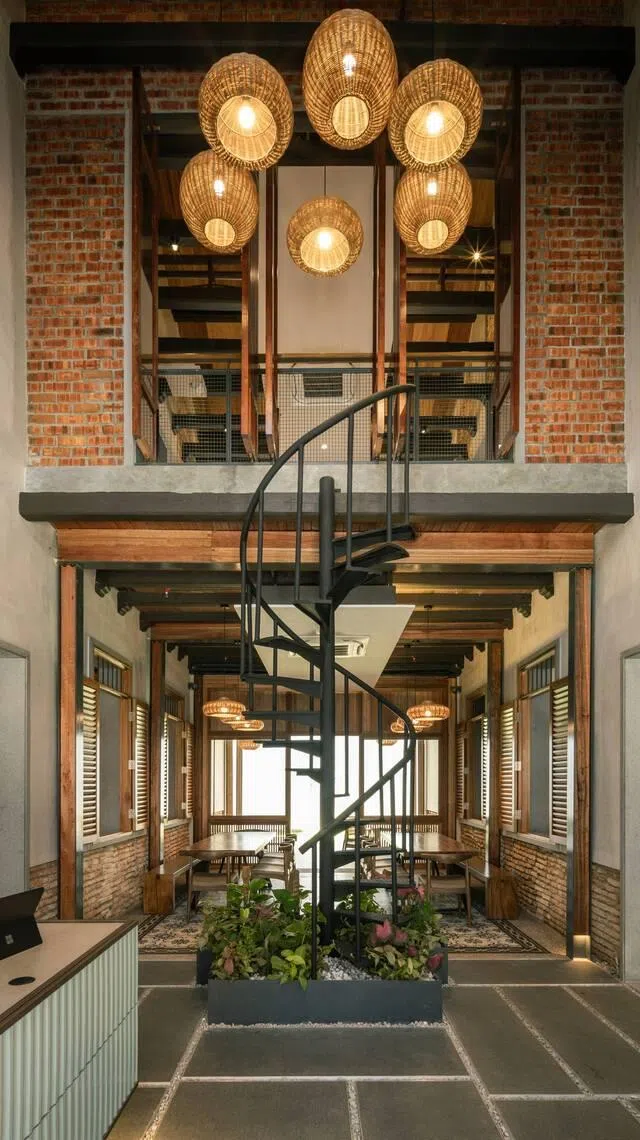
Thanks to all the goodwill from the locals, the two hotels have been doing very well, regularly appearing in the top five hotel choices on travel platform Tripadvisor, while Hotel Royal Kuala Lumpur hovers around the top 10.
Baba House also began to win recognition, including two Singapore Institute of Architects Architectural Design Awards for its Rumah Kechik restaurant and social space.
Still, there’s more to be done. Lee’s currently working on an expansion of Baba House, adding 51 suites to the property.
A huge transformation is coming
With the “credits” he earned in Malaysia, Lee can now spend them transforming the hotels in Singapore. But that must be done with great care.
“We have employees who have been with us for over 40 years, and it’s a very delicate issue because we do treat our staff like family,” says the father of two boys, aged six and eight. “It’s going to ruffle some feathers.”
Hotel Royal Queens is currently undergoing renovations. But the group’s crown jewel is undoubtedly the sleeping giant on Newton Road: the retro 362-room Hotel Royal. The iconic property sits on 77,500 square feet of prime freehold land.
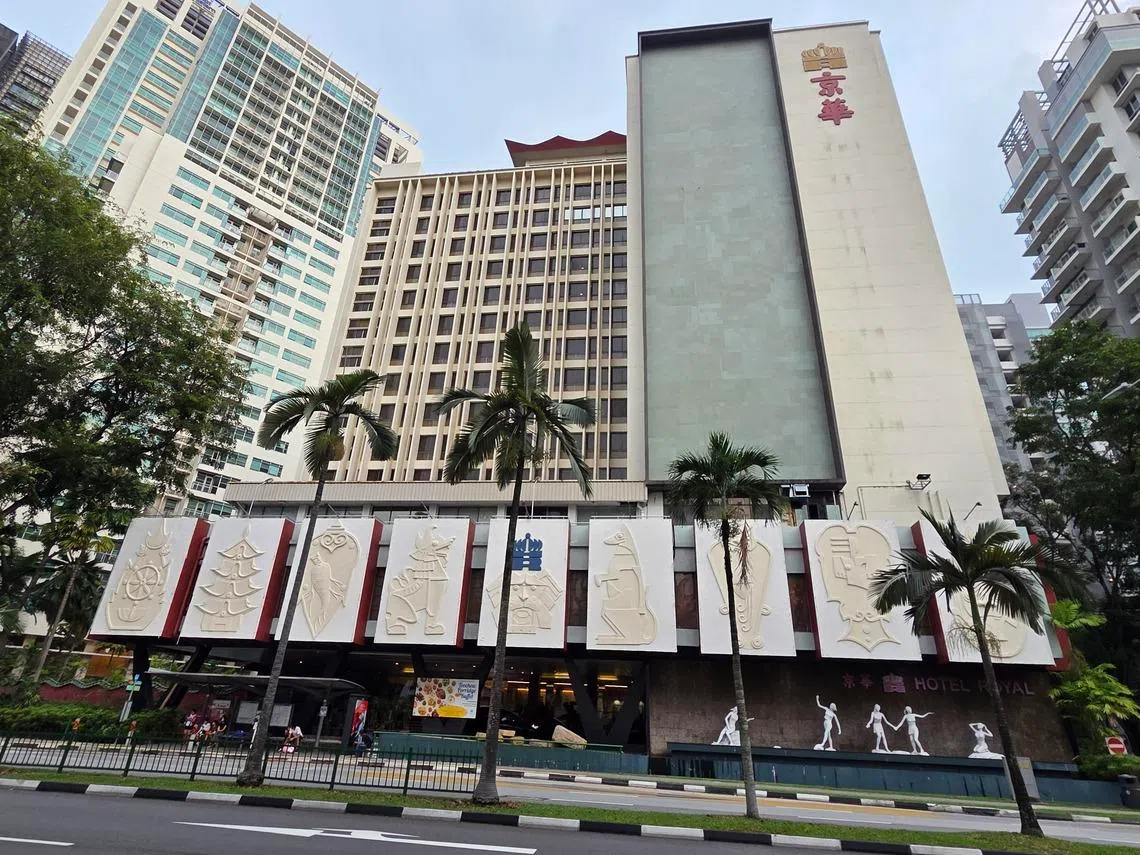
“We have very ambitious plans for this property,” Lee reveals. “We’re looking to redevelop it because it’s getting to the point where it’s not economical to keep papering over the cracks. But this is a big move, and a potentially impactful opportunity to re-establish the brand in Singapore, so we’re taking a lot of care and doing due diligence.”
For instance, the new number of rooms “could easily” reach 650, which would make the hotel “ginormous”.
But one thing’s for sure, the design will engage the neighbourhood via public spaces for activations, possibly food and beverage-related. There may also be partnerships to tap others’ expertise.
“We’ll definitely have links to the past,” says Lee. “We need to celebrate our heritage – not in an outdated manner but in a more contemporary way.”
The long-term vision is for the group to become a reputable management company focused on local hospitality.
“If we do this right, travellers will choose us because we’re the local hotel that’s able to deliver authentic local hospitality,” he says, adding that all the group’s hotels offer local touches such as breakfast items that a mother would cook for her family.
“Regionally, we would also like to expand into Vietnam and, eventually, have a presence across South-east Asia.”
For a self-confessed idealist, he hopes he has encouraged his employees to dream.
“Every now and again, when I try to implement changes, I hear sentiments like, ‘no, we need to be grounded in reality’, ‘we need to tackle problems’ and ‘we need to firefight’.
“You can solve problems on the ground. But if there’s no dream that we’re working towards, then we’ll always just be firefighting and have no path towards progress. So I need them all to dream with me.”
Photography: Darren Gabriel Leow Fashion direction: CK Grooming: Angel Gwee using Shiseido and Davines Location: Park90 at Pan Pacific Orchard
Decoding Asia newsletter: your guide to navigating Asia in a new global order. Sign up here to get Decoding Asia newsletter. Delivered to your inbox. Free.
Copyright SPH Media. All rights reserved.