Stylish Sleepovers
Caught between big hotel chains and budget options, four boutique hoteliers are counting on novel experiences to woo fussy travellers.

Tay Suan Chiang
Hotel Mono
18 Mosque Street. T: 63260430. hotelmono.com
If they can't Instagram it, they won't want it. 'They' being the media-savvy Millennial generation travellers who have the hospitality industry rethinking their business models to cater to a finicky demographic which emphasises 'experience' over luxury and similar trappings.
At Hotel Mono, creating Instagram-worthy moments for its guests is one of its priorities.
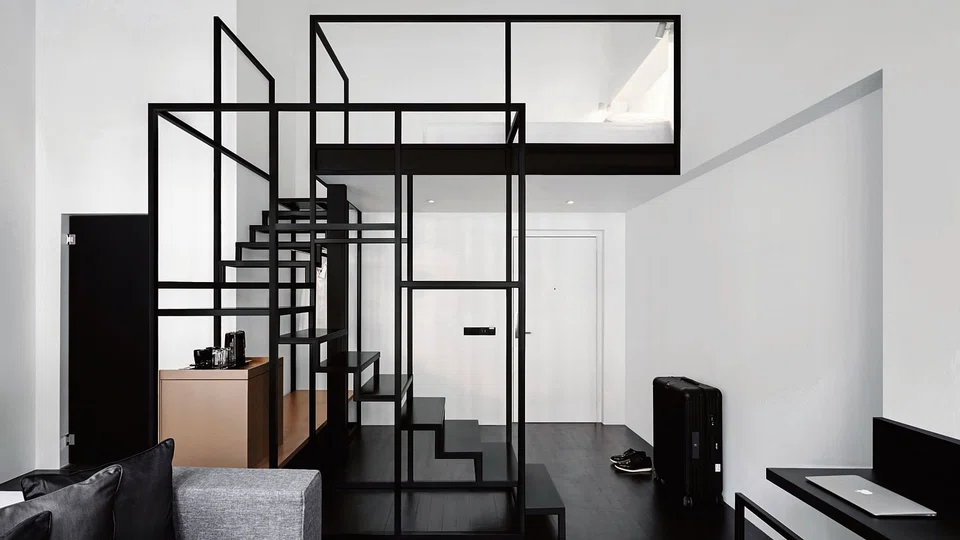
The experience begins with the statement-making black and white façade of six shophouses along Mosque Street, making it stand out from its more colourful neighbours.
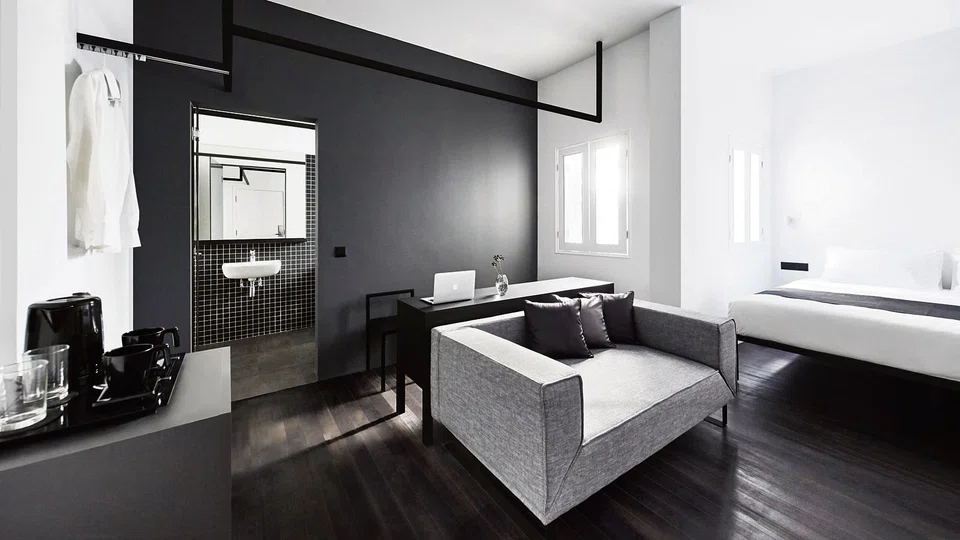
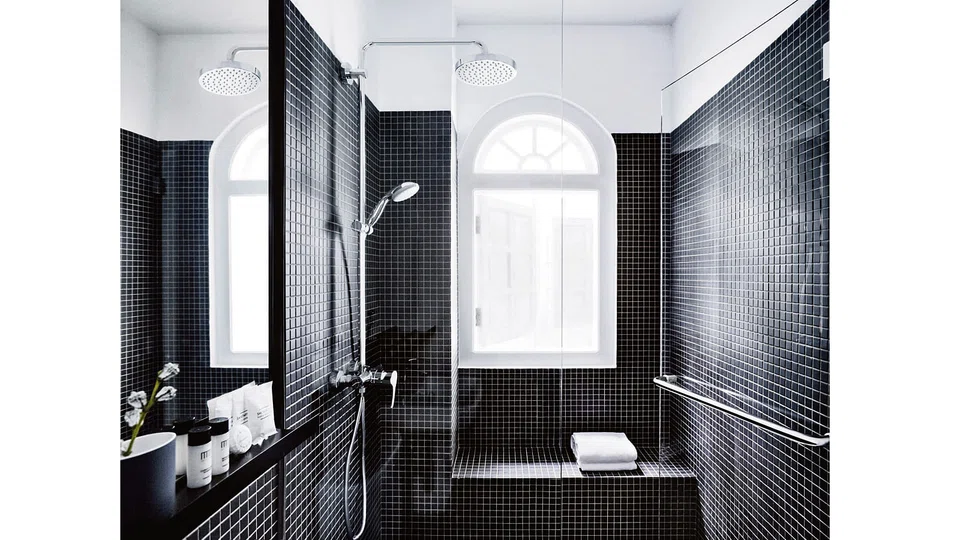
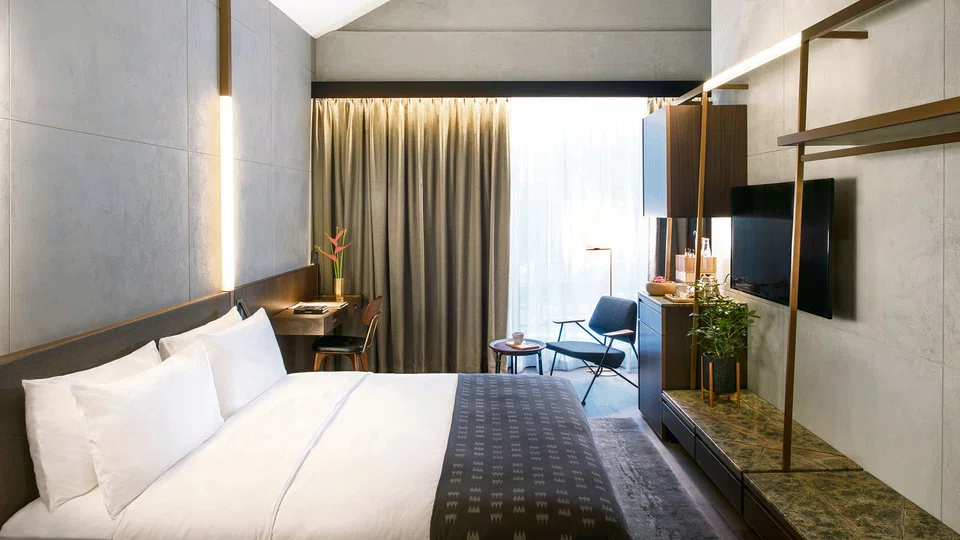
The black and white theme continues inside, from the lobby to the 46 rooms. Room rates start from $140 for a single room, to under $300 for the family rooms that can sleep four. None of the rooms are the same, since the hotel is a combination of six conservation shophouse units. Award-winning interior designer William Chan of Spacedge Designs created a unifying design element with a seamless metal bar that traverses the space like a line drawn in the air. It functions as a light fixture, coat hanger or sculpture, depending on the rooms.
Without the beams, the rooms look non-descript. But Mr Chan's innovative touch results in rooms that look chic and more expensive than what the price suggests.
Hotel Mono's general manager Glenn Quah says, "We want to provide value-for-money accommodation with a five-star service experience." By that, he means that guests enjoy better quality bedding, bathroom amenities (house-brand ones in sleek monochromatic packaging) and more spacious rooms at prices comparable to budget options in the same area.
Mr Quah says that the hotel is targeted at travellers aged 20-something to 40. Already, millennials, both foreign and local, have warmed to the hotel, going by the strong Instagram presence.
"The plain black and white interiors provide a clean backdrop for 'outfit of the day' shots," quips Mr Quah.
Little details, such as the right temperature of lights in the room, all add up to the perfect ambience for that Instagram shot.
Apart from the rooms, the lobby is also popular with the millennial crowd, who take selfies in a Ball chair that has been built into the wall. Even the hotel's signage is Instagram-worthy, thanks to the unique logo which resembles three 'M's joined together, but actually represents the shape of the six shophouses that the hotel is in.
Villa Samadhi Singapore
20 Labrador Villa Road. T: 62745674. villasamadhi.com.sg
While some hoteliers design with the Instagram crowd in mind, Frederico Asaro is taking the opposite route by going back to the basics.
"We don't chase trends," says the CEO and founder of Samadhi Retreats. "We celebrate a building's original soul."
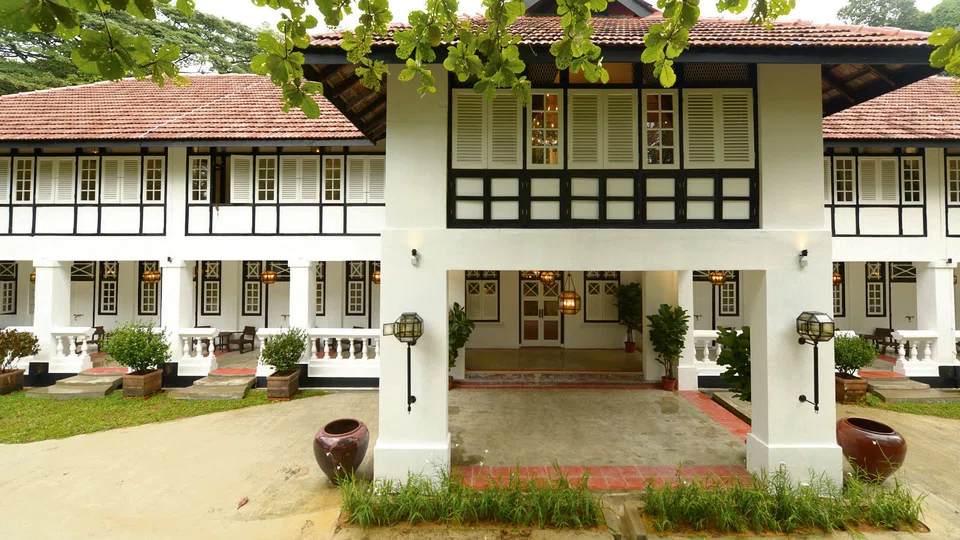
Samadhi Retreats' newest property is the Villa Samadhi Singapore, a 20-room restored colonial residence near Labrador Park.
The company also owns Japamala Resort in Tioman Island, and Villa Samadhi Kuala Lumpur, a villa-in-a-room urban retreat.
When Mr Asaro took over the building that would become the Villa Samadhi Singapore three years ago, it was dilapidated, and the 20th century colonial garrison needed a complete restoration .
Wood sourced from old houses in Malaysia was brought in to repair the building. The furniture in the rooms are newly constructed but made from old wood.
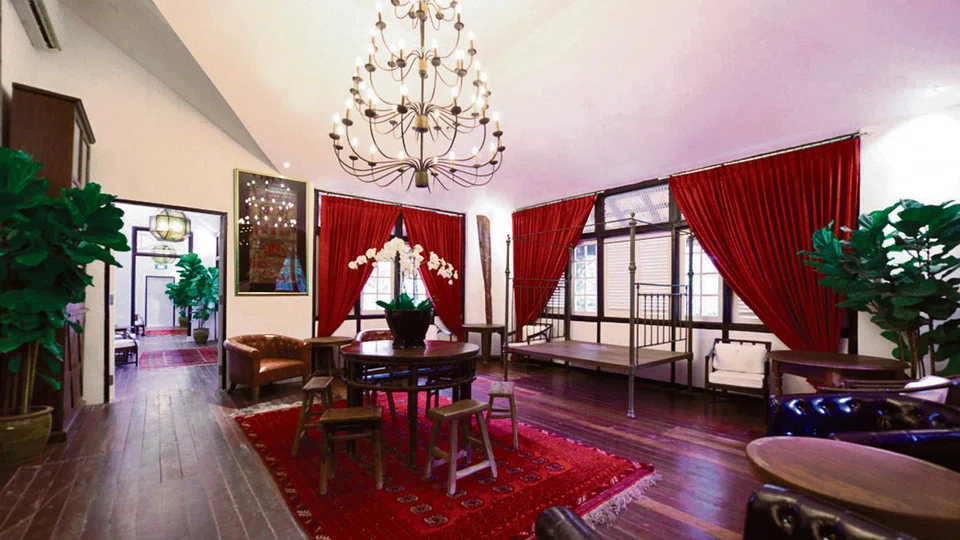
As a result, this Villa Samadhi presents the elegant charm of old Malaya. The rooms come with four poster beds, and some feature standalone bath tubs. And forget about tapping a card to get into the rooms. "We use the lock and key system here," says Mr Asaro. Prices start from $395.
He reassures that the rooms come with modern amenities, such as air-conditioning, wireless Internet, and a fully stocked minibar.
While putting in the right hardware is essential, just as important is ensuring the best guest experience.
"We appeal to the traveller rather than to the tourist," he says. "Our guests are those who don't want to stay in a closed up hotel in the city, but are looking for a different experience that is more than a fad."
He cites the example of how guests can not only have their breakfast in The Library, but also along the open corridor outside their rooms. "If they wish, we can also pack a picnic basket for them to have it at Labrador Park." Unlike other places, the resort serves breakfast all day.
Villa Samadhi Singapore also offers taichi, yoga and meditation classes in a private field next to the resort.
And rather than head to the malls, guests can do day trips to popular Malaysian spots such as Malacca, Muar or Kota Tinggi.
Under the company's Travels with Samadhi program, guests can join a collection of specially crafted tours for that off-the-beaten-path adventure.
"We are all about creating experiences, from our properties to our services," says Mr Asaro.
The Warehouse Hotel
320 Havelock Road. T: 68280000. thewarehousehotel.com
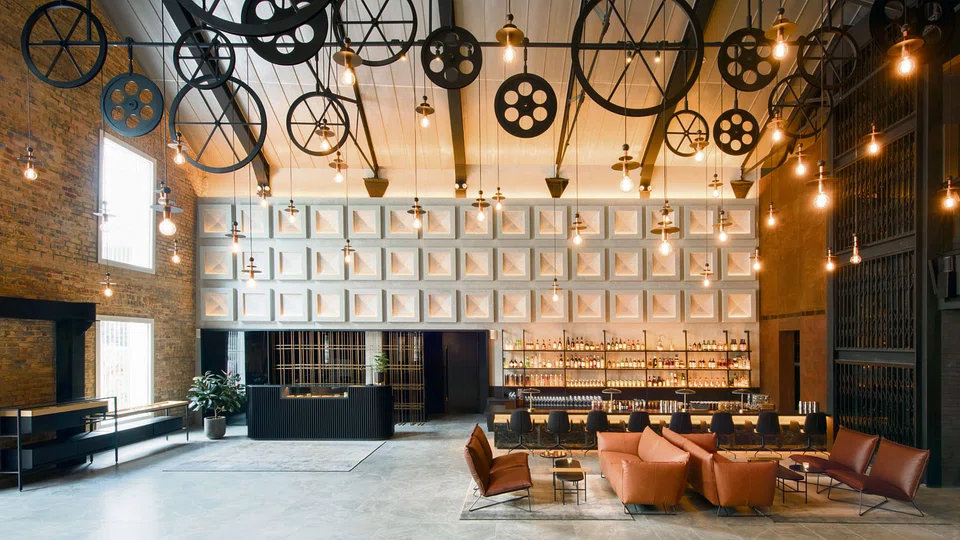
Call it an accidental social media sensation. Chris Lee, founder of design agency Asylum, didn't intend it so, but the lobby of The Warehouse Hotel has become one of the most photographed spaces in recent weeks.
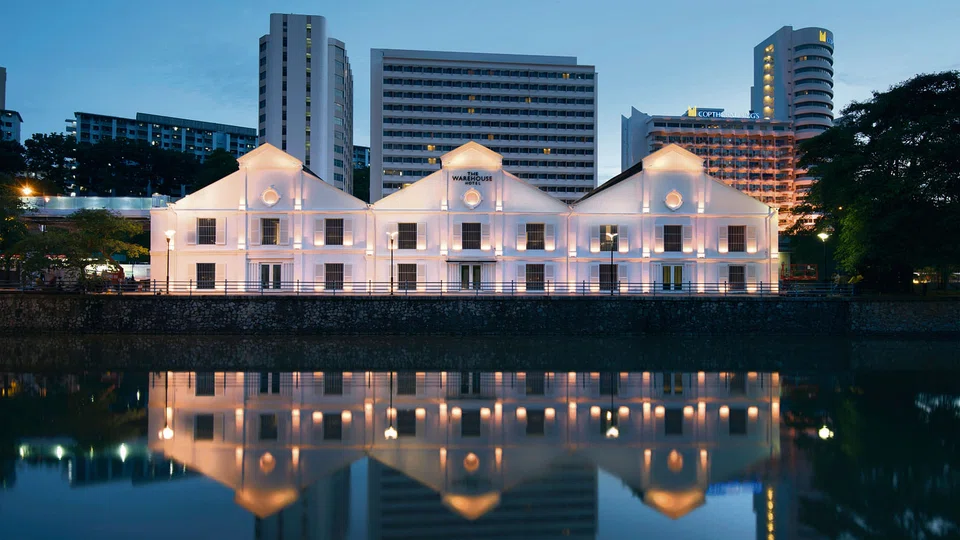
With its pitched roof, naked light bulbs and a series of pulleys hanging from the ceiling, it's reminiscent of the building's original life as a godown during the height of Singapore's spice trade.
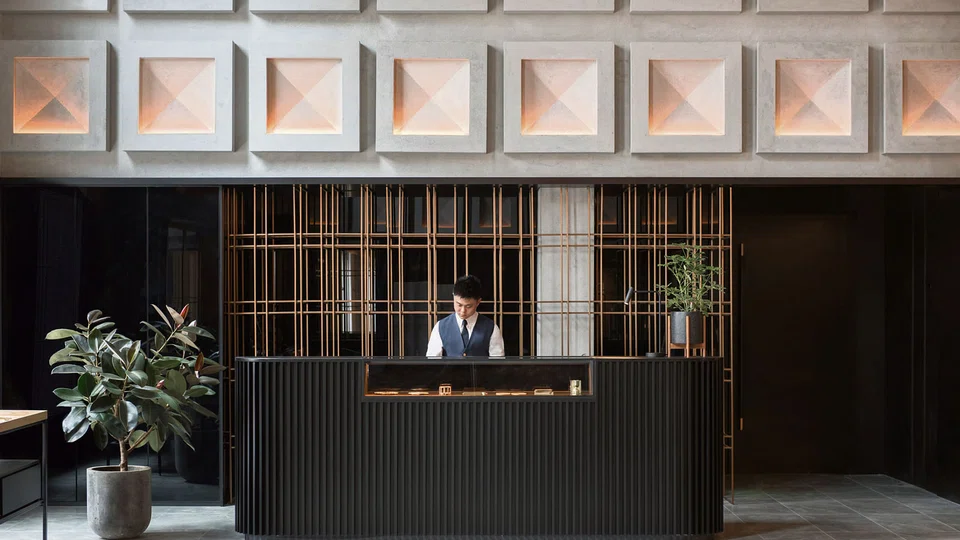
"Boxes" line the side walls, which Mr Lee says were inspired by the movie Metropolis. He wanted to create a futuristic version of the warehouse.
Mr Lee believes that the way to win over millennials is not by creating Instagram moments "since everything is only two seconds newsworthy, but rather to create social spaces."
Indeed, the lobby has become a place to chill out at regardless of the time of day, not just with hotel guests, but also with locals walking in.
The hotel's 37 rooms across six categories are designed in muted tones with many offering double-height ceilings. Some look out onto the Singapore River.
While playing up the building's historical background, Mr Lee, together with the Lo and Behold Group which manages the hotel, also wanted to include elements that paid homage to the area's colourful past.
Havelock Road, where the hotel is, was a hotbed of secret societies, underground activity, and liquor distilleries.
At its lobby, there is a retail installation featuring 'Objects of Vice', a curated collection of items that include lighters, ashtrays and flasks. These items mirror accessories that the original warehouse bosses would have used.
In the rooms, 'Minibars of Vice' have been curated to showcase Southeast Asia-driven products, such as 'Gluttony' including salted egg yolk chips and Vietnamese dark chocolate, 'Lust' for naughty treats and 'Vanity' for local beauty elixirs.
Cheekiness aside, the rooms have all the modern amenities from free wifi to custom pillow-top mattresses and eco-friendly bath products. Prices start from $295.
Wee Teng Wen, managing partner of The Lo & Behold Group, says that service is designed to be spontaneous, intuitive and informal. "We want our staff to be memory creators, to help guests create personalised experiences that will be imprinted in their minds and hearts for years."
There are information guides on what's around The Warehouse Hotel in all the rooms, but the concierge team focuses on sharing personal and unexpected recommendations with guests.
Hotel G
200 Middle Road. T: 68097988. hotelgsingapore.com
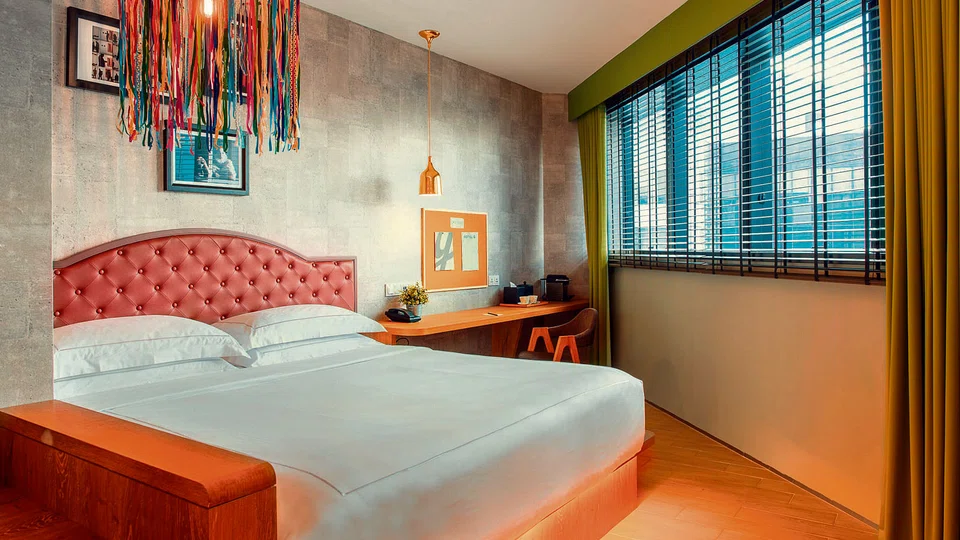
Dreamcatchers. Who would have thought that a Native American craftwork made from a small hoop covered with string, and decorated with feathers and beads would become the most Instagrammable item at the new Hotel G at Middle Road?
"The dreamcatcher is colourful and playful, so it has been appearing a lot on our social media feed," says Marc Bichet, GCP Hospitality's chief marketing officer. GCP Hospitality owns and manages Hotel G. "Plus the dream catcher is said to give the owner good dreams, and who doesn't want sweet dreams?"
Having the dreamcatcher in the room may be kitschy, but after seeing it on social media, a guest may just want to check into Hotel G to get that perfect shot that garners many likes.
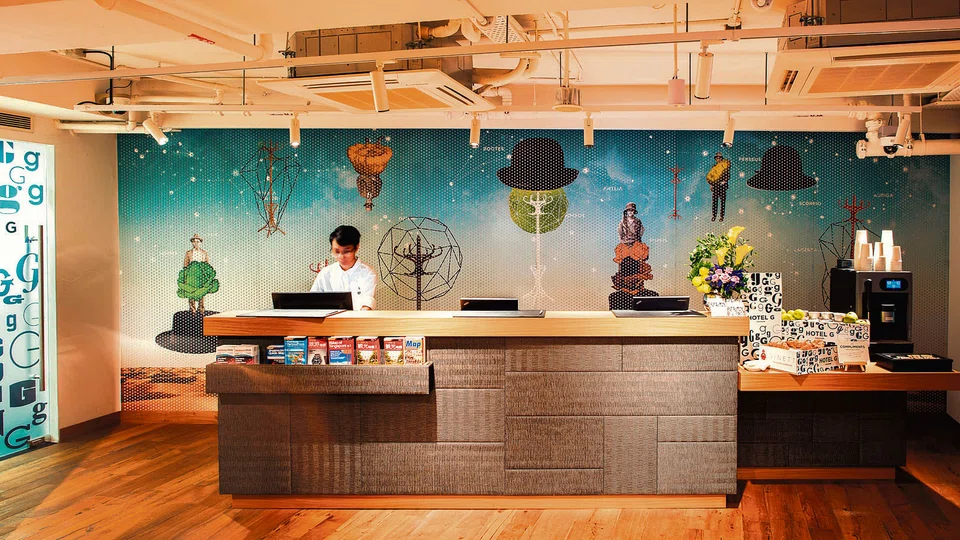
The hotel has another trick up its sleeve when it comes to guest engagement. It has partnered with acclaimed photo studio YellowKorner to fill the 308 rooms with stylish photographs. "Guests can buy any of these prints by well-known photographers off the walls of their rooms if they wish," says Mr Bichet.
The hotel prides itself on being an affordable option for the design, food and fashion-conscious traveller. Room rates start from $128. Hotel G offers three room types - Good, Great and Greater, which vary in size.
Mr Bichet says that for its price, not only does the design resemble that of pricier boutique hotels, but little details that most people take for granted are put in too, such as "enough space in the room to open a suitcase, a bathroom with a proper rain shower, proper water pressure, Internet that works, and walls that are thick enough not to hear your neighbours."
Even the flat screen TVs in the rooms are not ordinary ones, but have mirroring options, allowing guests to beam anything from their smart devices to the TV.
More than just catering to the overseas guest, Hotel G wants to engage with the locals too.
It does this with its two restaurants, Ginett, a restaurant and wine bar, and 25 Degrees, a burger, wine and liquor bar.
"We understand that hotel guests may not want to dine in the hotel, hence we have the two dining joints on the ground floor more for locals, and we also want to turn the hotel into a dining destination," says Mr Bichet.
Its other restaurant, 25 Degrees, is a sister to the legendary Hollywood flagship which has since also extended to Bangkok - serving gourmet burgers and comfort fare.
To enhance the guest experience, Hotel G staff are trained to analyse a guest's room. "We want our guests to have their rooms the way they like it." By that, Mr Bichet means, "if the staff notices that the guests only sleeps on one side of the bed, that he only folds down the covers on that particular side."
He hopes to implement a new standard of service for hotels under GCP Hospitality.
He recalls the time his wife was staying at a hotel in New York, and posted a selfie of herself, with the caption of how she was ill and couldn't fully enjoy the room.
"Within 10 minutes of that post, a hotel staff was at her door, with a tray of tea, and a card wishing her a speedy recovery. That was totally spontaneous, unexpected, and definitely memorable," he says.
Copyright SPH Media. All rights reserved.