

Making the cut
Creative, useful, and marketable - this year's Red Dot Award for Design Concept winners define good design.
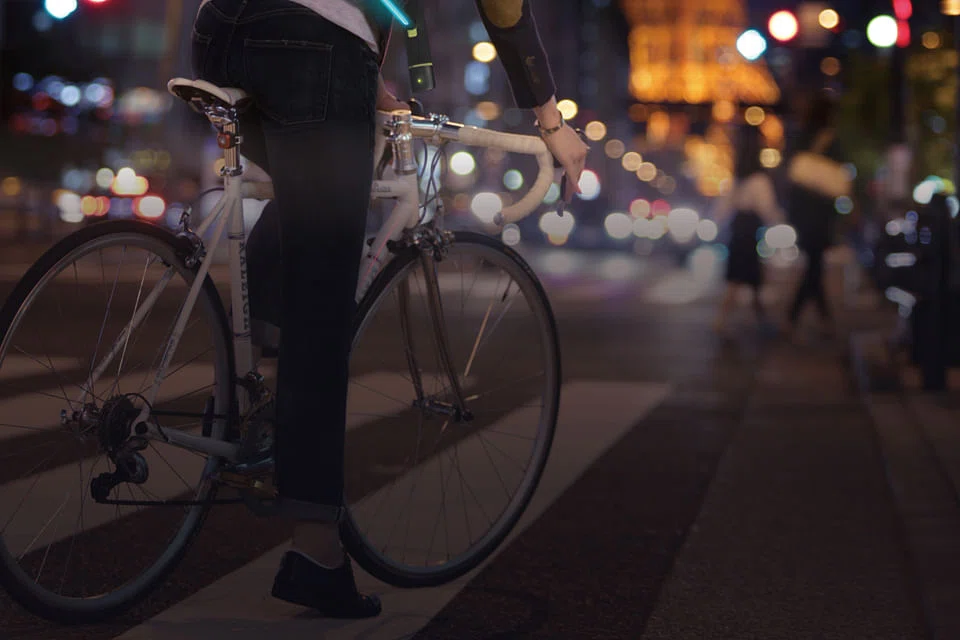


HOW does the future look? Promising, if the winning entries from this year's Red Dot Award for Design Concept become a reality. Among them include City Firefly, a bicycle chain lock system that instantly turns into wearable safety gear for cyclists. The band, meant to be worn across the body, lights up at night, keeping the cyclist safe as well as stylish. Then there's
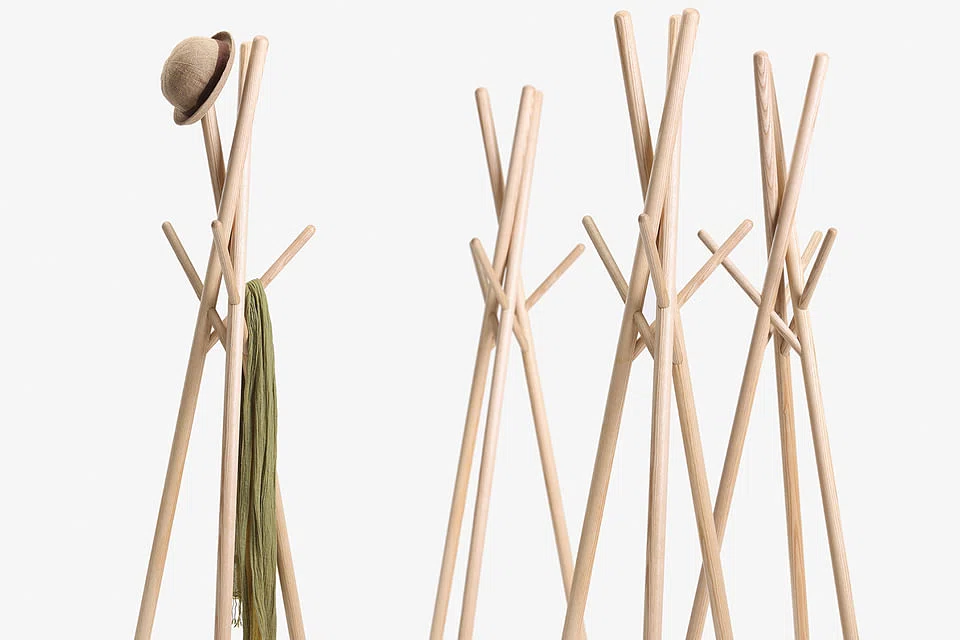
the Nude Coatrack, which attempts to strip things down to the bare basics. The flat-packed coat rack comprises six lengths of wood that can be assembled without instructions. The different pieces of wood are inserted into each other to form the rack, without the need for any metal parts. The production cost of Nude Coatrack is 50 per cent lower than other coatracks on the market.
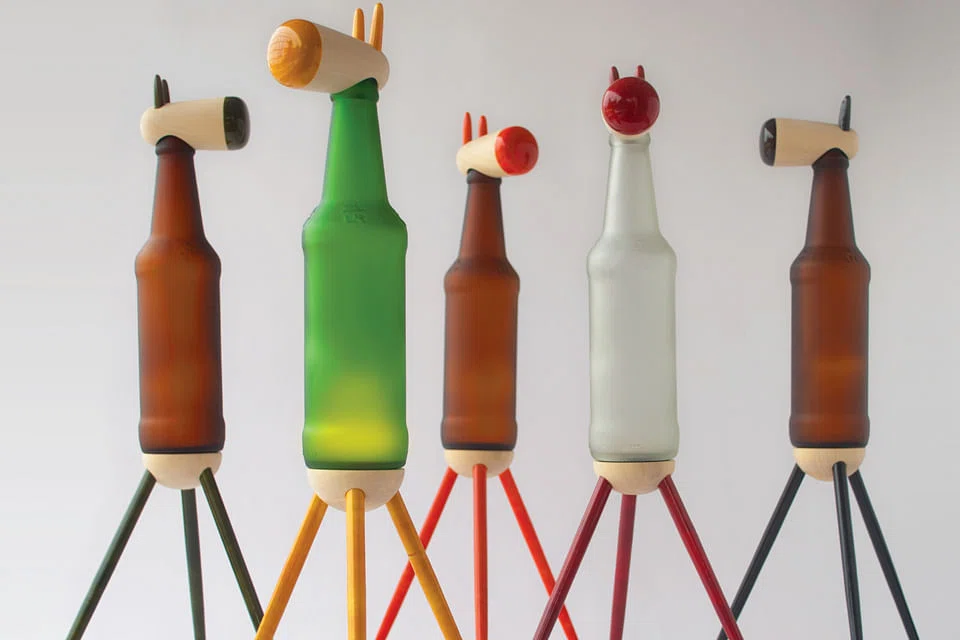
Meanwhile, Animal Farm is a series of lamps designed with the twin themes of craft revival and the re-purposing of used glass bottles that don't make it back into the recycling chain. These upcycled bottle lamps take on animal forms, shaped from pieces of wood, made by local craftsmen in Karnataka, in South West India. By bringing this dying local craft and the cause of re-purposing together, Animal Farm tries to provide an ecologically conscious solution.
The Design Concept competition is now in its 10th year, and unlike many other competitions that only target student design, the Red Dot Award: Design Concept focuses only on uncovering high and exceptional professional-level design concepts. Open to both students and professional designers, entries are judged not only on creativity but also its marketability.
There were 4,791 entries received this year, 9 per cent more than last year. But the number of winners has shrunk, with only 304 making the mark. Ken Koo, president of Red Dot Award for Asia, says: "This is one of the toughest design awards to win in the world." BT Weekend meets some of the winners who are based in Singapore.
REDEYE
By Daniel Chua and Ken Ang
COLLEAGUES-TURNED-FRIENDS Daniel Chua and Ken Ang love cycling but not having to deal with bicycle locks.
"Most bicycle locks in the market are bulky, a hassle to bring along on a cycling trip, or the lengths of the chains are either too long or too short for fuss-free usage," says Mr Chua. "Even those which are meant to coil up can be quite a struggle to use at times."
So the duo decided it was time to do something about it.
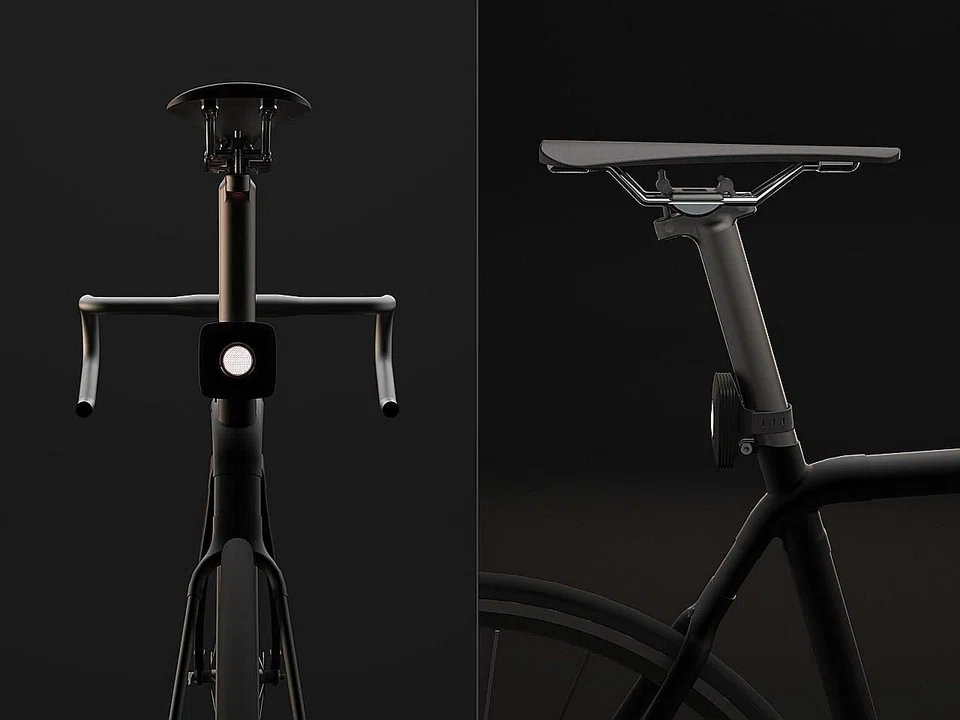
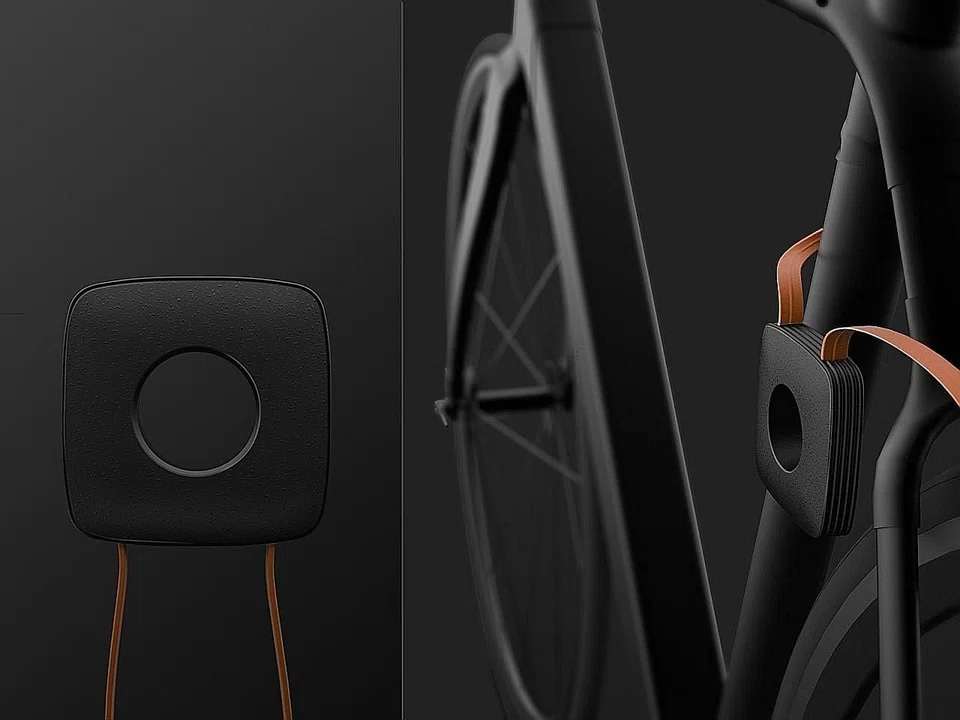
They came up with an idea of a unique bicycle combination lock system that comprises a lock, set on a retractable locking cable and a tail light which acts as its bracket, mounted on the seat post.
The duo named it RedEye: "It's a joke between us as we spent countless nights brainstorming and refining the design to the point that one of us developed sore eyes," says Mr Chua, a vintage bicycle enthusiast. "So we thought it would be fun that the product name can be something related to us."
RedEye, a Red Dot design concept winner, will have a body made from tough magnesium alloy, so that it can withstand any abuse. Housed within this tough casing, is a piece of flat braided cable, made from interwoven high tensile strength steel alloy wires which is then encased in weather resistance polymer.
One end of the flat cable is attached to a spring mechanism similar to those used in a measuring tape, and on the other end is the locking bolt.
To use, just pull the end of the retractable cable out and wrap it around a bike rack and secure it to the bicycle. To release, input the right lock combination and the cable retracts back into its housing. The lock is then mounted back to its tail light bracket module, guided by magnets and a twist to secure it in place.
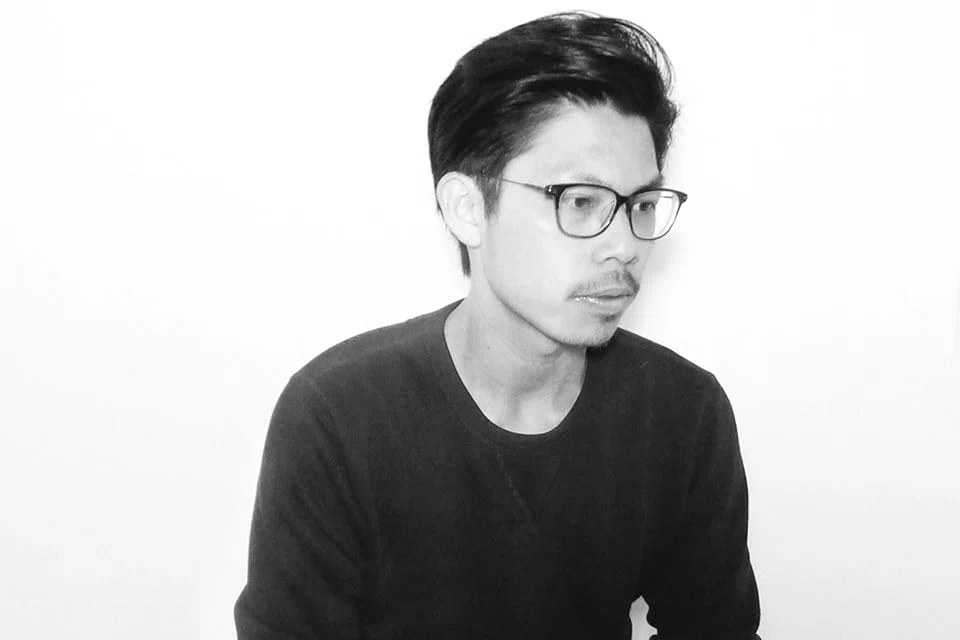
Mr Chua, 27, is an industrial designer who specialises in various design disciplines, while Mr Ang, 34, is a self-taught industrial designer who started his career in the office system industry.
"We believe that design has to be fun, have great usability, and be easy to execute," says Mr Chua.
The duo are currently working in a Canadian furniture sourcing company based in Singapore. There are no plans yet to turn RedEye into a reality as yet, "but we are looking for opportunities if anyone is interested," says Mr Chua.
"We are targeting the hobby cyclist who wants to travel light to the casual cyclist who just wants to secure their bicycle without any hassle of bringing a lock. RedEye is meant for anyone who dislikes locking their bicycle as much as we do."
COMMUNI CROSS
By Yang Yang
AS a product design student, Yang Yang, is required to wear a mask to keep out the dust when making models in the workshop.
"But I found it difficult to communicate with my fellow students when we had the masks on," says the Shanghai-born student at Lasalle College of the Arts.
That spurred him to design a new mask that allow sounds to be clearly heard, while still retaining its main function as a protection against viruses and air pollution.
"Conventional masks muffle sound and can lead to incomprehensibility. In some situations, this can be extremely problematic - during surgery, for example, when doctors wear medical masks," says Mr Yang.
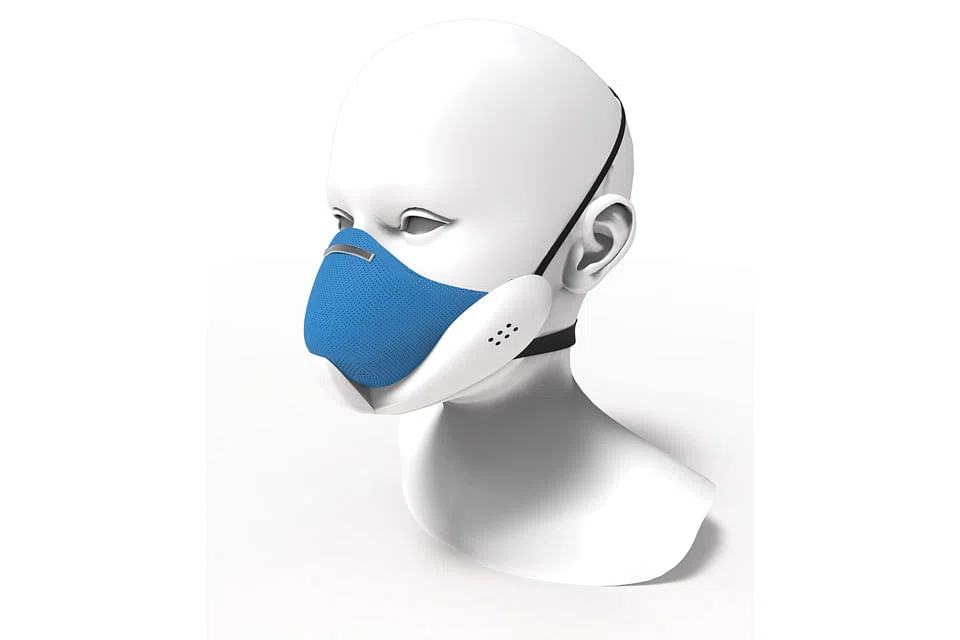
He came up with the idea of Communi Cross, a medical mask that not only protects but also helps doctors and nurses to communicate clearly during surgery.
"With a simple built-in audio system and an organic shape, Communi Cross is a step toward safe and convenient surgery," he says. Communi Cross incorporates a mini audio system in the mask, comprising a microphone and speaker connected by a circuit board. At the tip of the mask is a blue filter which keeps out viruses. This can be removed and replaced for hygiene purposes.
It's first-time lucky for Red Dot award-winner Mr Yang, who's never taken part in a design competition before. The 24-year-old is currently applying for the patents for Communi Cross. "After that, I hope this new mask can be used in every hospital in Singapore in the future," he says.
BLOOM
By Tricia Chean
THINK weaving is only for little old ladies? Think again. Studies have shown that crafting has been scientifically proven to have therapeutic effects comparable to anti-depressants.
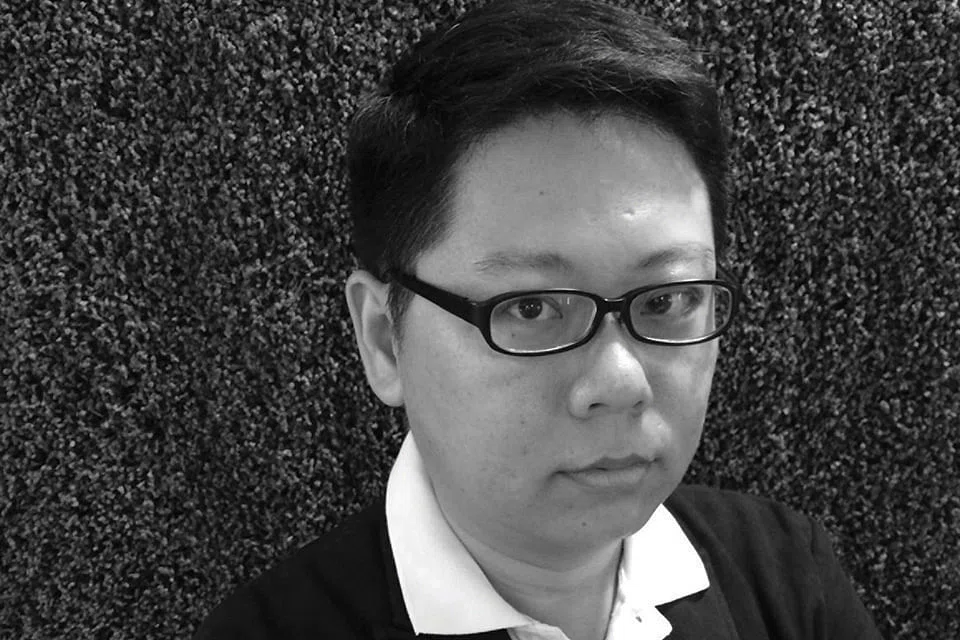
Armed with this knowledge, Tricia Chean (above), a National University of Singapore industrial design graduate, submitted a thesis during her final year of study on creating a crafting kit.
"I've always been interested in crafting as a hobby, and found that it made me very happy and relaxed when I was engaged in it," says Ms Chean, 23. "I wanted to see if this characteristic could be explored in more meaningful ways, and found that it could be effective in helping treat mood disorders."
She adds that crafting is seen as an excellent and effective alternative to clinical treatment methods as it eliminates the stigma associated with clinical options. It allows patients to receive the necessary treatment in the most subtle and comfortable way, while being very rewarding emotionally with the creation of an end product.
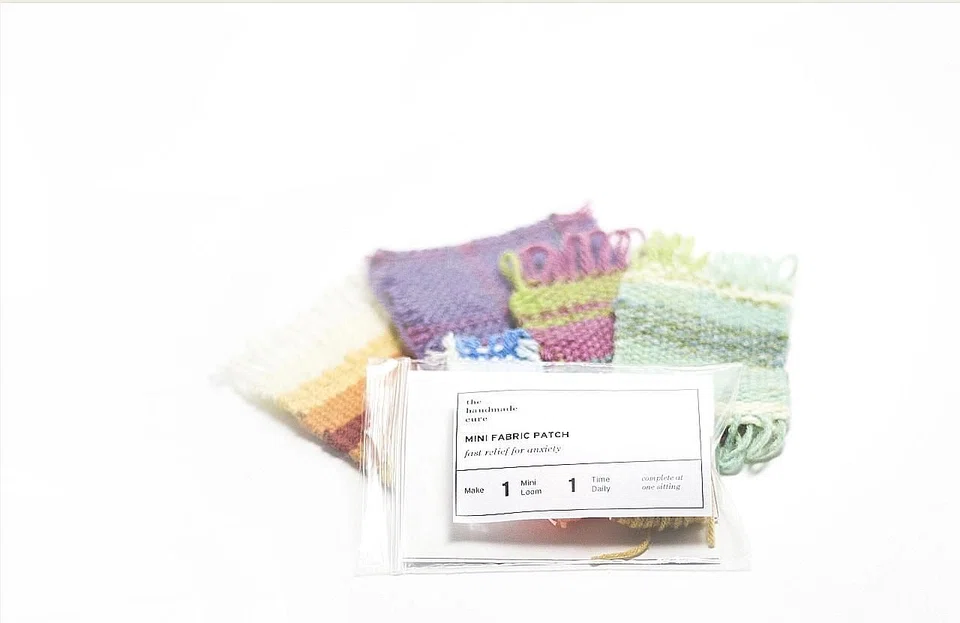
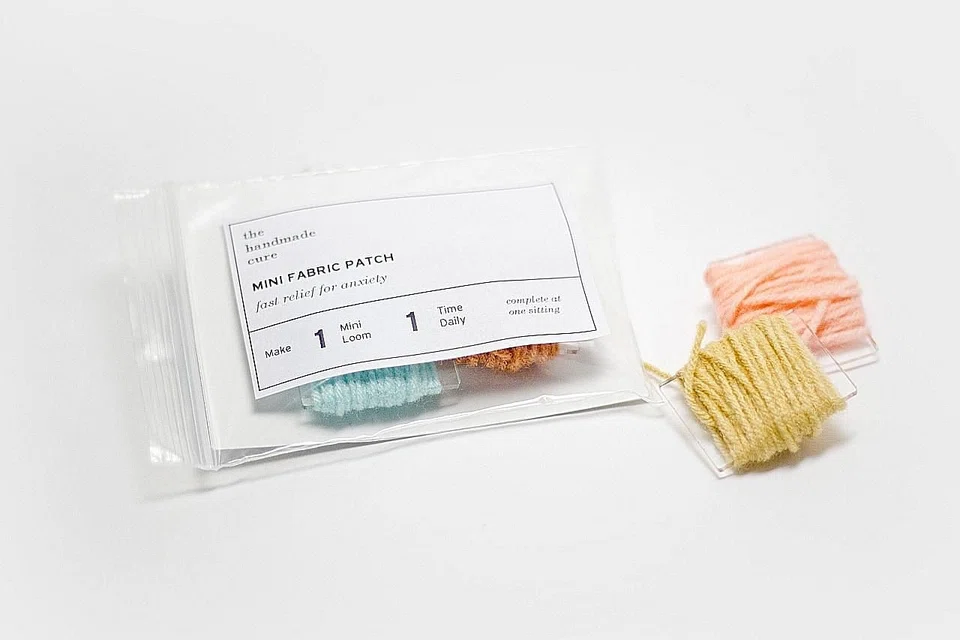
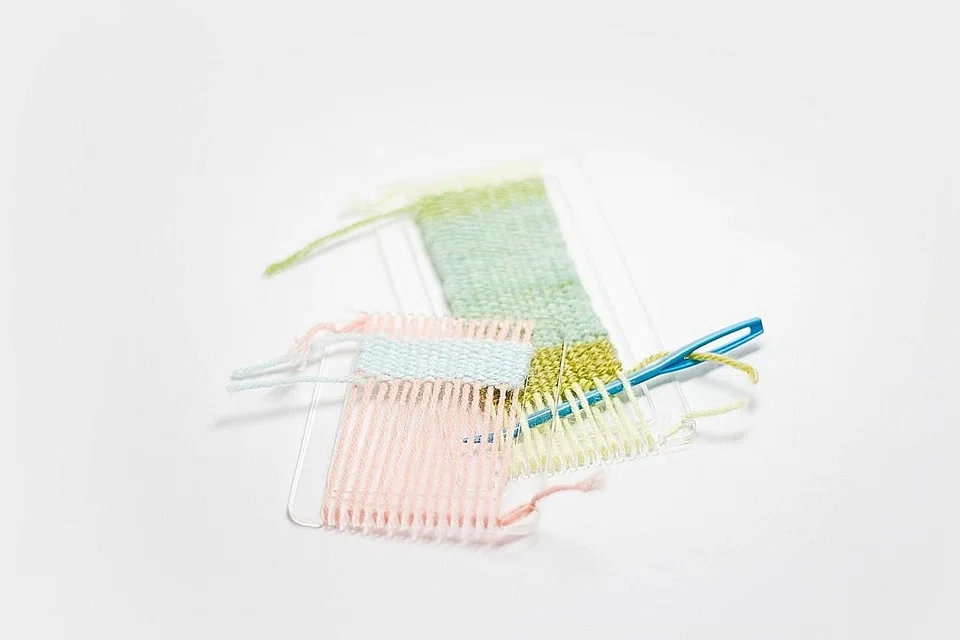
She designed a weaving kit, which she named Bloom. "It is designed to be extremely easy to master, it acts as a stepping stone for beginners to crafting and also creates motivation for patients to continue the treatment, because they can make something practical for themselves in the process," says Ms Chean.
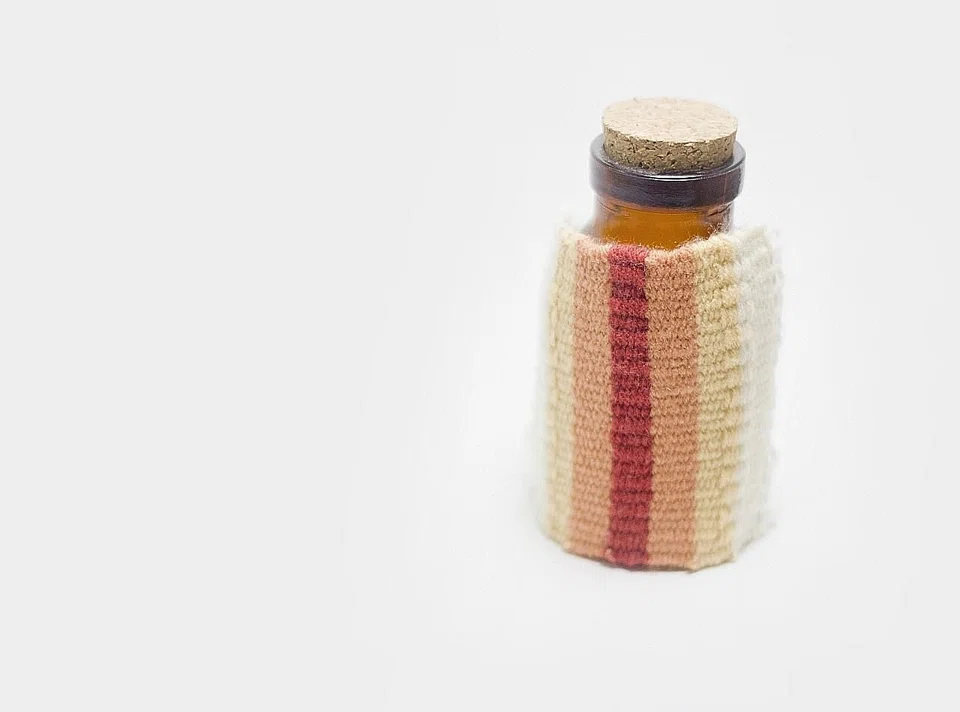
The loom modules come in small sizes, and a single strand of yarn is first tied around the loom. Next, coloured yarn is used to weave the loom, and when it is completed, the different pieces can be sewn together to form anything from a pillow to a baby bottle holder.
Bloom uses different types of yarn for different therapeutic purposes. Level One is designed for beginners and relaxation, while Level Two, which requires more focus from the patient, is designed for anxiety and stress management.
In a video that Ms Chean produced to demonstrate the use of Bloom, users commented on how weaving helped them improve their concentration, which helped them to better control their mental health.
For her effort, Ms Chean won a Red Dot award.
"I definitely have plans to turn it to reality since I already have a working prototype," says Ms Chean.
"I will probably spend more time on it in the coming months to source for ways to mass manufacture it, and most likely launch it on a crowd funding platform to see the public response. Initially of course, it is targeted at people suffering from anxiety and depression, and I do believe it will help them, but I also believe it could be just something fun and relaxing for the mass market."
Her dream in the future is to run a store "selling my own designs related to craft and stationery, and turn it into some form of a social entrepreneurship."
YODEESA
By Ivan Ho
A STOOL looks simple on its own, but designer Ivan Ho can break it down even further.
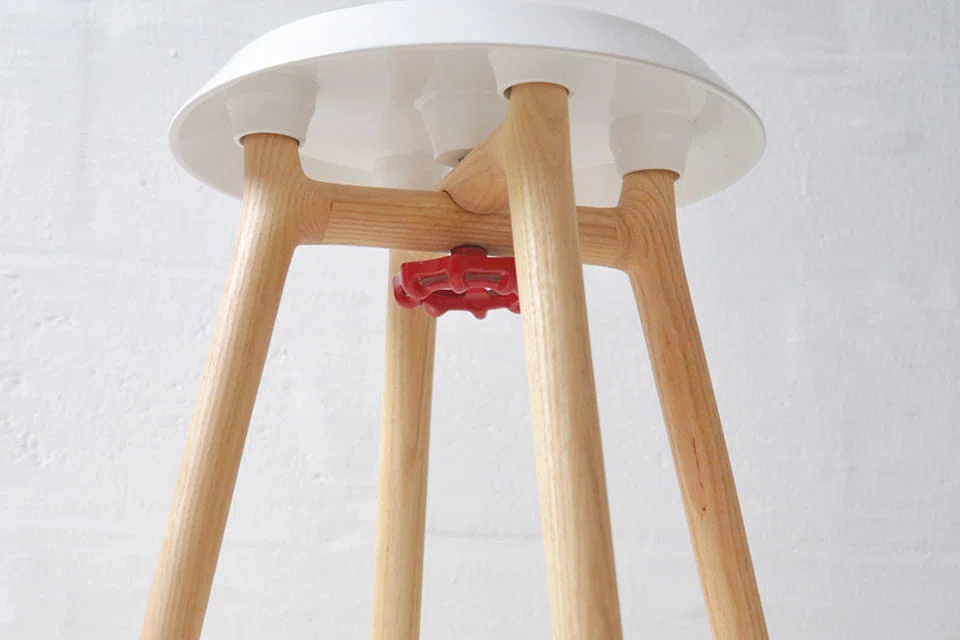
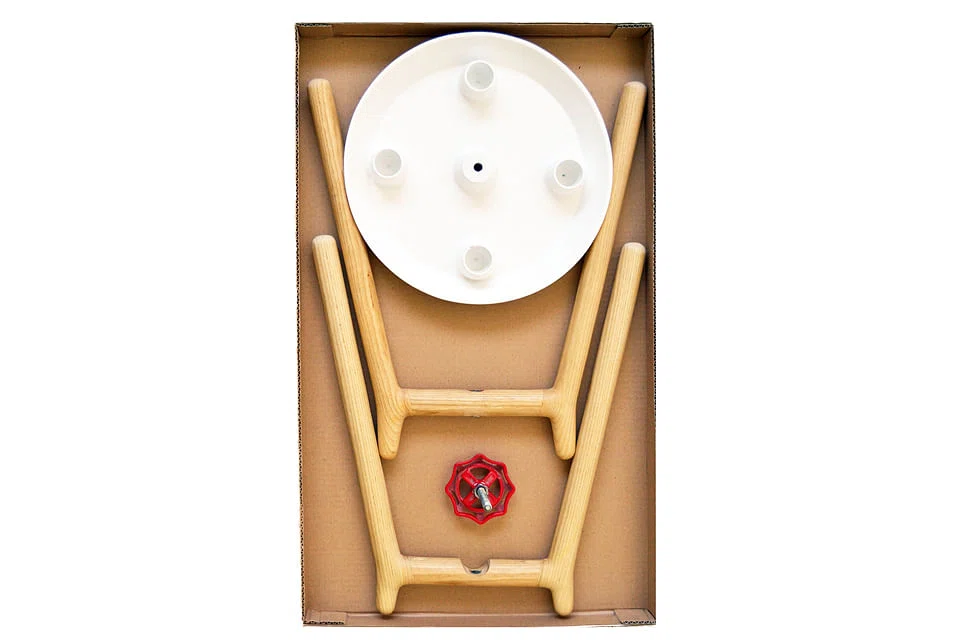
He has come up with Yodeesa, a stool that captures the simplicity of aesthetic and construction. The stool is made up of three components, and no tools or hardware are required to assemble and disassemble it.
Mr Ho explains that Yodeesa is a literal translation of 1, 2, 3, in Hokkien. "It also represents the three main components of a stool, namely the seat, legs and the securing knob," says Mr Ho, 36, the founder of tizumuka, a multidisciplinary design studio. The two-year-old firm's projects are conceived around investigative studies and artisanal craftsmanship, and they are mostly objects and furniture.
Adds Mr Ho: "As the name suggests, I am very much a heartlander. The idea of the stool was conceived when I was observing hawkers at the coffeshops setting up and storing dining tables. The sheer speed and simplicity intrigued me, hence my attempt to translate the notion into a stool," he says.
The objective driving the design of Yodeesa is to break down the stool into its basic form and structure; to explore and understand the union of materials and simplify assembly techniques.
Yodeesa can be assembled or disassembled by hand in seconds by locking the legs in place with the knob. The stool can be flat packed into a 680 x 400 x 50mm package, making it highly portable.
Mr Ho is already in talks with regional craftsmen and factories to put the design into production. "The target market would be anyone who appreciates good design," he says. This is his second time taking part in a Red Dot competition. This time, Yodeesa was awarded an Honourable Mention.
He says he doesn't have a dream product in mind.
"However, my studio's manifesto is to produce good honest design,"says Mr Ho.
Share with us your feedback on BT's products and services
TRENDING NOW

Once staunchly pro-China, Malaysian Chinese businesses are now distancing themselves from Beijing
New launch or resale unit? Here’s a guide for homebuyers
The lesser-known prospects in the Asian chipmaking supply chain
Cliff Tan has 7 million followers and a 4-month waitlist. Why won’t he expand his business?

