

Nelson Yap
Founder of Benjamin Barker
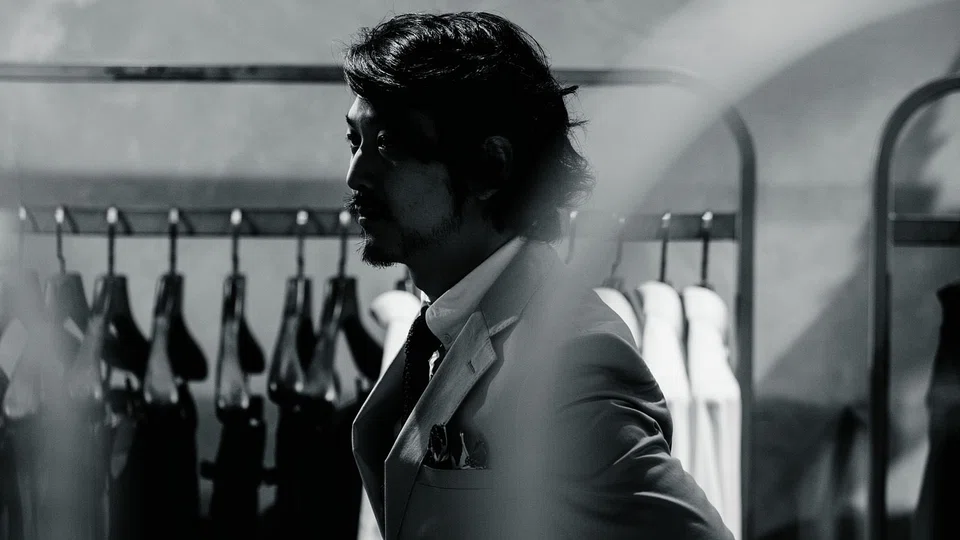
From café culture in Melbourne to fashion-forward menswear label in Singapore, Nelson Yap has been on a fascinating journey. Where it will end is anybody's guess but for now, getting there's the main thing. Mr Yap, 34, founder of local brand Benjamin Barker, never really planned on being in the fashion business: truth is, he had his heart set on being a beach bum, musician (he plays drums) or struggling artist, although that's not the sort of career path his parents would have condoned.
Yap studied filmmaking in Melbourne, gravitating towards sea sports and skateboarding in his downtime. The outdoors lifestyle suited him just fine, and so did Melbourne's vibrant specialty coffee scene. A stint as a barista and café manager piqued his entrepreneurial curiosity but an illness in the family brought him back to Singapore. When his father passed away, Mr Yap was left in charge of the family business, selling discount suits. Business was tough, but then he noticed a gap in the market for well-made, affordable menswear, especially fitted shirts with quirky details that would appeal to young executives - so he took a loan from his mother and started Benjamin Barker in March 2009. For good measure, he and business partner Damien Tan also started The Assembly Ground cafe couple of years ago. Its specialty? a good cup of coffee.
The Benjamin Barker stores (11 outlets in Singapore and three more in Melbourne) are inviting and trendy, with fun, lifestyle-based interiors and merchandise that looks pricier than it actually is (from S$69 for a shirt to $1,000 for a suit). How did you decide on the name, and the look? Brand names are important and meaningful; I wanted something with alliteration and a name that is evergreen, able to be relevant a hundred years later. It has no connection to (fictional villain) Sweeney Todd (whose actual name was Benjamin Barker). Benjamin is a biblical name meaning "son of the south", which refers to my time in Down Under in Melbourne, and I grew up in Barker Road here. I was influenced by a specialty coffee chain called St Ali in Melbourne, which has a DIY sensibility; I designed all our stores myself - the industrial chic look works for us. By creating an environment that looks like a lifestyle store (plants, posters, bicycles and vintage items are part of the make-up), the idea is to convince someone like myself, who likes to wear T-shirts and shorts, to dress up. For men, the experience and having a bit of a story is important.
You've enjoyed good growth in a tough retail environment. How did you come to focus on shirts, and can you continue to grow based on this strategy? We definitely sense that the retail sentiment is a little soft, but we did carve a bit of a niche for ourselves. We expanded because of demand and with every store we open we make sure it doesn't jeopardise sales in existing stores. In 2017, we want to consolidate and we will also entertain franchising opportunities in Southeast Asia.
The creative part of me says: I want something different. Our shirts are our core item and each one has something interesting and detailed. We realised that guys like myself like simple stuff, but with a detail such as coloured stitching or buttons - subtle but with personality. We are selling staples, so the main thing is to always keep prices accessible; we're not a luxury brand either: we make style accessible to everyone without compromising our creativity. We position ourselves as stylish, but our clothes are also very simple.
Tell us about your influences, and also your target audience. The Japanese are at the forefront for classic menswear - we appreciate how they cut their clothes, the designs are very European but modified to fit Asians well. We originally targeted young execs but with the advent of social media, a younger generation has started to dress up. They are exposed to other parts of the world, and students at polytechnics and university are spending on clothes already. Our store at Cineleisure - a youth mall - has become our most successful.
You never planned on getting into the fashion industry and you had very little relevant experience - how did you manage to cope so well and looking ahead, what's in store for Benjamin Barker? It's always been very challenging; I didn't study business. My dad had a Primary Three education but he trained us well. He used to have a business selling artificial flowers and as kids (he has an older brother and younger sister) we were always recruited to help out. We were not afraid to get our hands dirty - I was the one who packed and delivered items.
Moving forward, this is where the real challenge begins. We are established in Singapore but we want to have stores all over Southeast Asia. Our clothes are cut for the Asian male. When we first started, there wasn't a lot that properly fit Asian bodies, so we created sizes for these people. Once they find us they always come back - for the fit, and for the details. As much as possible I try to make the business a lifestyle; otherwise it becomes very monotonous - you're just churning out clothes.
Share with us your feedback on BT's products and services
TRENDING NOW

Singapore government slaps loan curbs on individual private-hire car buyers

If Europe goes to war, the fallout will be felt in East Asia
The grid is the transition: Why Asean’s next energy challenge is coordination

Indonesia stocks suffer worst plunge in nearly 30 years as MSCI proposes standalone status

