

Sri Lanka crisis shows why reserves matter
Debt distress could spread to other emerging markets
 Add BT as a preferred source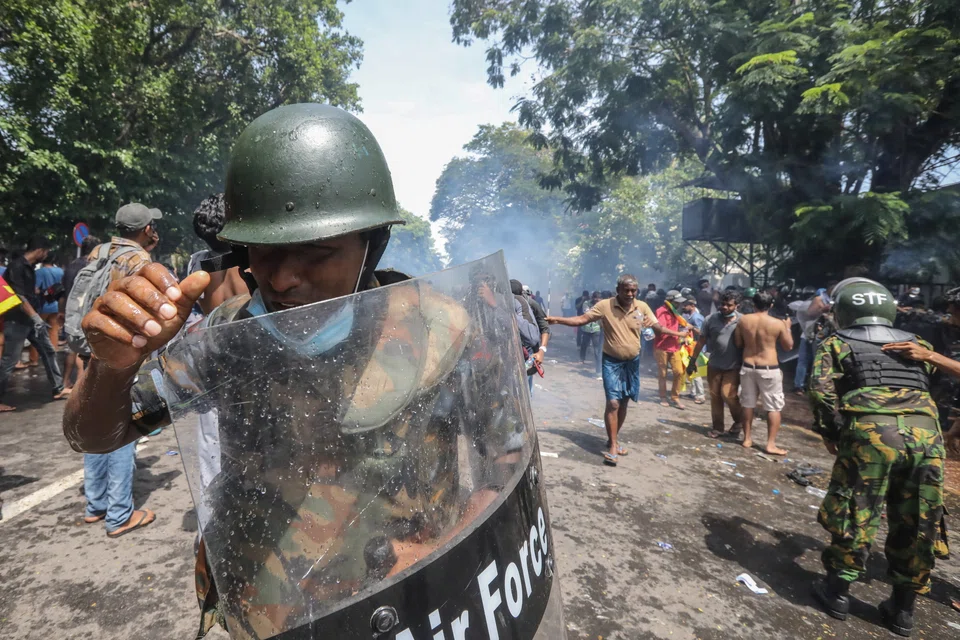
DeeperDive is a beta AI feature. Refer to full articles for the facts.
SRI Lanka has been thrust into the limelight after plunging into political and economic crisis. The country lacks a functioning government after the president fled from mass protests this week. Foreign exchange reserves have been depleted and the country is embroiled in a messy public debt default. There are lessons here for countries outside of Sri Lanka’s picturesque shores.
From an economic perspective, Sri Lanka’s turmoil is a textbook balance of payments crisis. The pandemic crippled its tourism-dependent economy due to a slump in international travel, weighing on a key source of external revenues. Meanwhile, rising imports and large debt servicing costs – a consequence of loose fiscal policy and heavy foreign exchange borrowing – caused a rapid decline in international reserves.
This precarious situation was compounded by this year’s surge in oil prices – a key commodity import – and rising United States interest rates. The central bank simply did not have the firepower to defend the Sri Lankan rupee against these global pressures and the currency has collapsed by more than 40 per cent against the dollar so far this year.
Decoding Asia newsletter: your guide to navigating Asia in a new global order. Sign up here to get Decoding Asia newsletter. Delivered to your inbox. Free.
Share with us your feedback on BT's products and services
TRENDING NOW

Air India asks Tata, Singapore Airlines for funds after US$2.4 billion loss

Beijing’s calculated silence on the Iran war

China pips the US if Asean is forced to choose, but analysts warn against reading it like a sports result

Richard Eu on how core values, customers keep Singapore’s TCM chain Eu Yan Sang relevant

