

An overstimulated US economy is asking for trouble
An overlooked reason for US resilience is the stimulus still coursing through the economy
 Add BT as a preferred source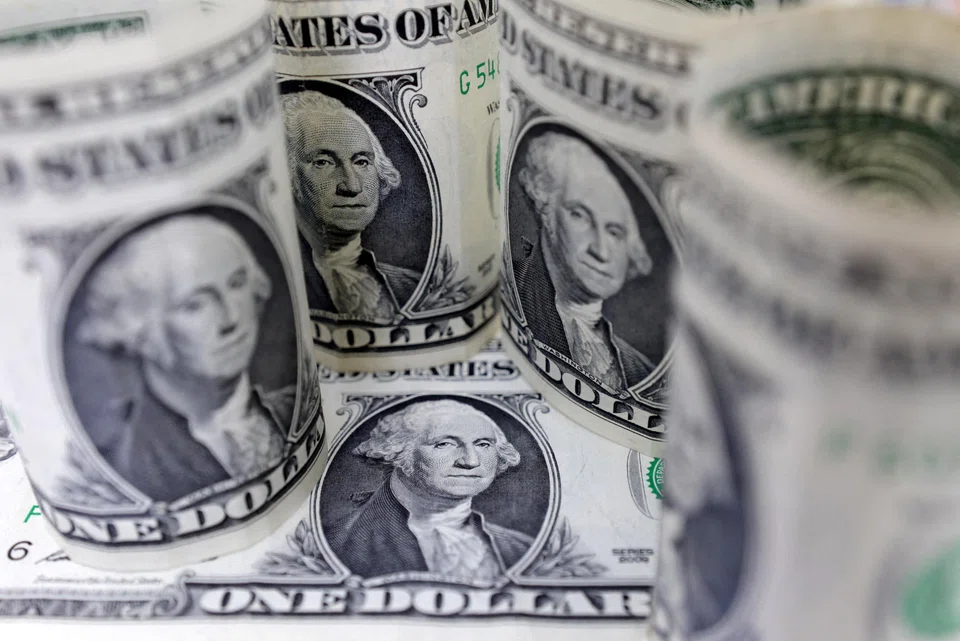
DeeperDive is a beta AI feature. Refer to full articles for the facts.
WHEN US gross domestic product (GDP) growth is reported later this month, it is expected to come in at a solid pace of at least 2 per cent for the seventh quarter in a row, defying the once universal expectation that Federal Reserve rate hikes would trigger a recession. First, economists dialled those forecasts back to a “soft landing”; now, they are talking about “no landing”.
Conventional forecasting models have been more off the mark than usual in this post-pandemic recovery. But why? Perhaps the most overlooked explanation for American resilience is that, far more than other developed countries, the United States kept stimulating its economy well after the recession of 2020 was over.
Some of that fiscal and monetary stimulus is still coursing through the system, keeping growth artificially high and inflating both consumer and asset prices.
Decoding Asia newsletter: your guide to navigating Asia in a new global order. Sign up here to get Decoding Asia newsletter. Delivered to your inbox. Free.
Share with us your feedback on BT's products and services
TRENDING NOW

‘We’ve seen the worst-case scenario’: How Indonesia’s Cinema XXI navigated crisis and change
Higher costs, lower returns: Why are Singaporeans still betting on real estate?
S-E Asia tourism takes hit from Middle East crisis, but intra-regional travel could spell hope
Auditors flag uncertainty on Katrina Group’s ability to continue as a going concern

