

The politics of deglobalisation favours the robots
As labour supply problems persist, automation sales are hotting up
 Add BT as a preferred source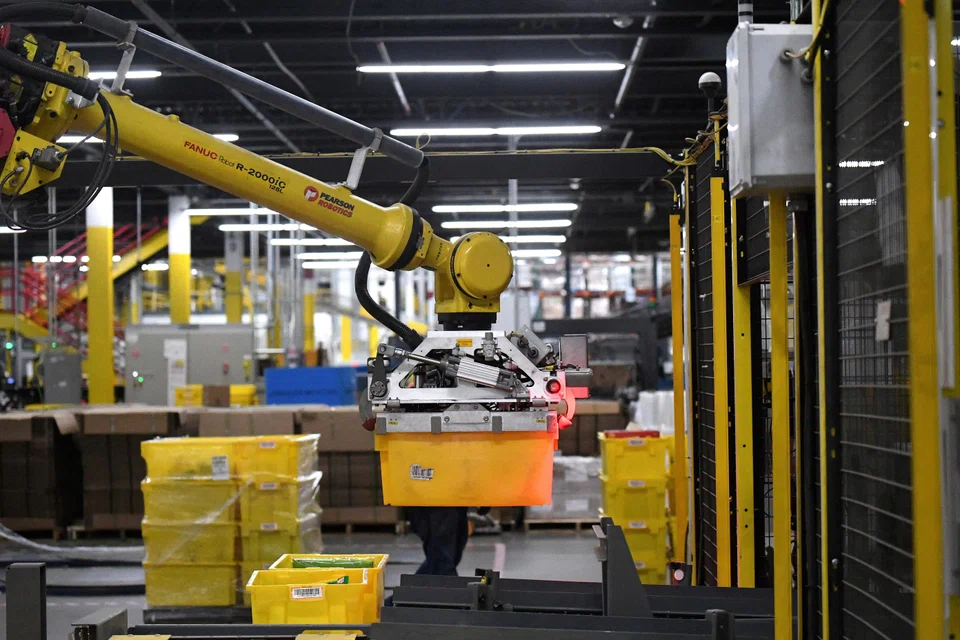
DeeperDive is a beta AI feature. Refer to full articles for the facts.
LAST week, Tokyo was teeming with fund managers from around the world eager to establish how Japan will fare as its biggest trading partners square up for a new Cold War. The Daiwa Investment Conference provided the venue and the bento lunch boxes; robots, via their human advocates, provided the most convincing part of the answer.
Geopolitics, runs an argument that particularly favours a cohort of Japanese companies, is increasingly colliding with labour shortages. If we really are entering a phase where the manufacturing arrangements of companies in the United States, China, Japan and elsewhere – South Korea and Taiwan in particular – are impelled to relocate by a new set of deglobalised carrots and sticks, then automation will be everyone’s best bet when it comes to deglobalised donkey-work.
To a significant extent, their slide into this role is already under way: factory automation has always looked like the future, but more so now that Cold War-style tensions are forcing a grand reset of manufacturing.
Decoding Asia newsletter: your guide to navigating Asia in a new global order. Sign up here to get Decoding Asia newsletter. Delivered to your inbox. Free.
Share with us your feedback on BT's products and services
TRENDING NOW

‘Boring’ is the new black: The stars are aligning for a Singapore stock market revival

Near sell-out launches in March boost developer sales to 1,300 units after four slow months

China pips the US if Asean is forced to choose, but analysts warn against reading it like a sports result

Genting Singapore’s Lim Kok Thay receives S$7.5 million pay package for FY2025

