

What TikTok tells us about the paradox of markets right now
From geopolitical risk to capricious US decision-making, investors face uncertain times
 Add BT as a preferred source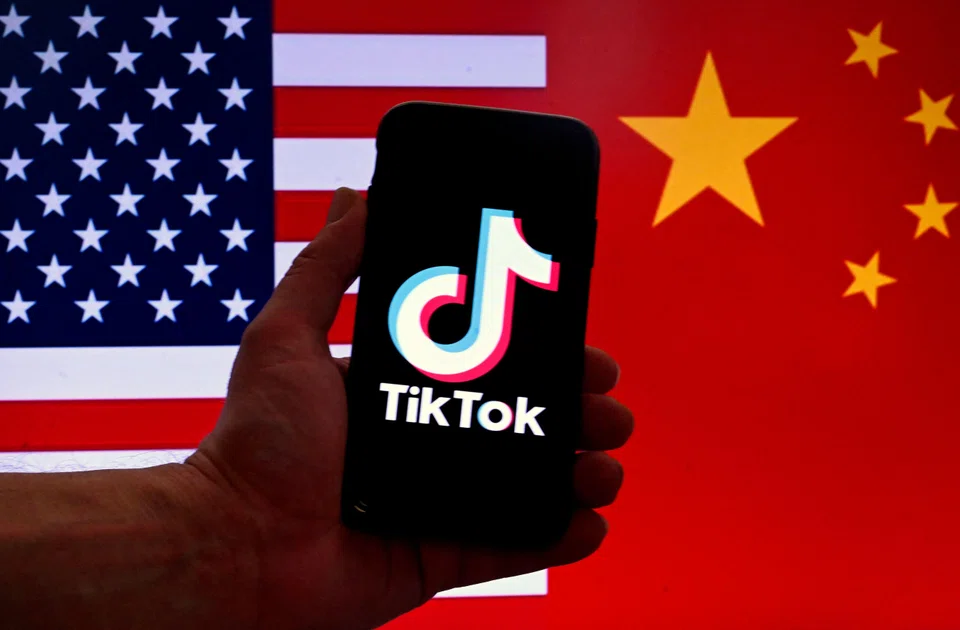
DeeperDive is a beta AI feature. Refer to full articles for the facts.
THERE are not many issues that attract bipartisan support in Washington these days. TikTok, however, is one. On Wednesday (Mar 13), the House of Representatives passed a bill to ban the social media app unless it is sold by its Chinese-based parent ByteDance – by a resounding 352-65 votes.
This might yet be blocked by the Senate or the courts; when Montana lawmakers tried to ban TikTok last year, there were legal appeals. Alternatively, ByteDance might agree on a sale – although this could be hard if antitrust issues hang over natural buyers, such as Microsoft. What’s more, Beijing says it opposes a sale, probably because it does not want to lose control of TikTok’s content algorithm (which is arguably a bigger national security flashpoint than data storage).
Either way, Wednesday’s vote has tossed TikTok into limbo in a way that most observers (including myself) did not expect a few months ago, given that this could anger many youthful voters – something Congress rarely wants to do.
Decoding Asia newsletter: your guide to navigating Asia in a new global order. Sign up here to get Decoding Asia newsletter. Delivered to your inbox. Free.
Share with us your feedback on BT's products and services
TRENDING NOW
‘Boring’ is the new black: The stars are aligning for a Singapore stock market revival

Near sell-out launches in March boost developer sales to 1,300 units after four slow months

China pips the US if Asean is forced to choose, but analysts warn against reading it like a sports result

Genting Singapore’s Lim Kok Thay receives S$7.5 million pay package for FY2025

