

Why Japan’s economy remains a warning to others
Low real rates, low growth and high debts are not going away
 Add BT as a preferred source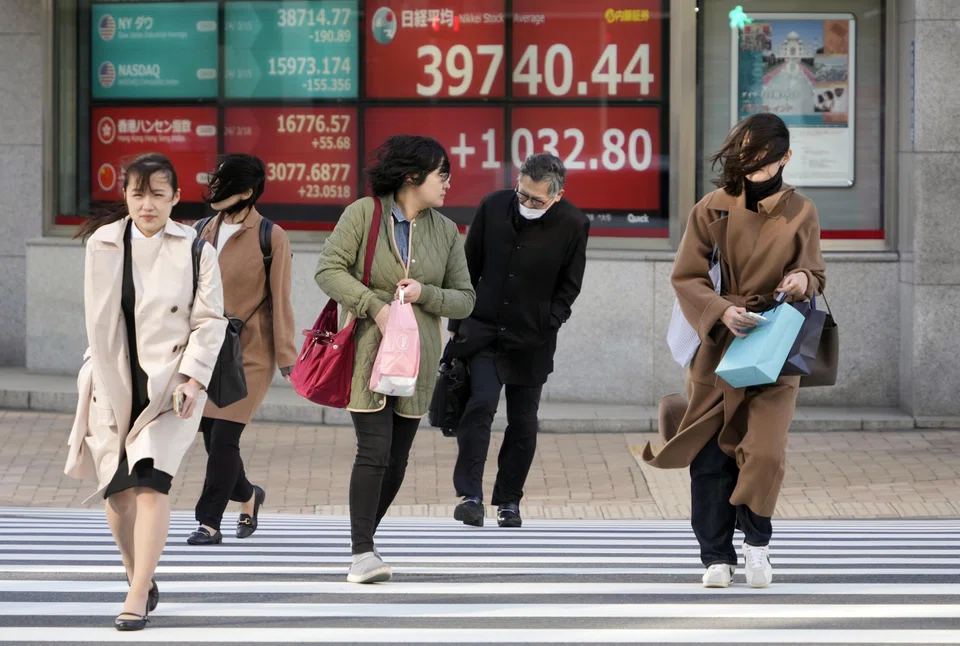
DeeperDive is a beta AI feature. Refer to full articles for the facts.
FOR most of this century, it has looked as if the world’s economy was turning Japanese, with low growth, below-target inflation and rock-bottom interest rates. Today, the question is how much Japan will come to look like the rest of the world.
On Tuesday (Mar 19), the Bank of Japan (BOJ) raised interest rates for the first time since 2007, after inflation seemed at last to have become entrenched. Interest on balances held at the bank, previously set at minus 0.1 per cent, will now be 0.1 per cent.
The central bank, under its relatively new governor, Ueda Kazuo, also scrapped its policy of yield-curve control, which capped long-term bond yields at 1 per cent. Having kept monetary policy ultra-loose for years, Japan has now begun to follow the course set by other economies since widespread inflation took hold.
Decoding Asia newsletter: your guide to navigating Asia in a new global order. Sign up here to get Decoding Asia newsletter. Delivered to your inbox. Free.
Copyright SPH Media. All rights reserved.
TRENDING NOW

Air India asks Tata, Singapore Airlines for funds after US$2.4 billion loss

‘Boring’ is the new black: The stars are aligning for a Singapore stock market revival

From 1MDB to ‘corporate mafia’: Is Malaysia facing a new governance test?

South-east Asian markets account for 8.8% of global capital inflows from 2021 to 2024: report

